 ultimate-guide
Buying Heavy Equipment for Contractors: A 2026 Guide
Table of Contents
- Determine Your Fleet and Project Requirements
- Assess Work Site Conditions and Equipment Fit
- New vs. Used Heavy Equipment: Cost and Performance Trade-Offs
- Calculate Total Cost of Ownership for Heavy Equipment
- Financing Heavy Construction Equipment: Loans, Leasing, and Rent-to-Own
- Used Heavy Equipment Inspection Checklist and Verification
- Section 179 Tax Deduction for Contractors and Equipment Purchases
- Finding Reputable Dealers and Verified Sellers
- Frequently Asked Questions
Last Updated: September 3, 2026
Determine Your Fleet and Project Requirements
The first step in buying heavy equipment for contractors is understanding exactly what you need. Start by auditing your current and upcoming projects, documenting specific tasks, annual operating hours, terrain conditions, and attachment requirements. A contractor running seasonal work has different equipment needs than one with year-round operations.
Project duration matters significantly. Short-term projects might justify rental or lease arrangements, while long-term contracts make ownership more economical. Consider your fleet's use rate, equipment sitting idle is capital that isn't generating revenue.
Understanding machinery applications prevents overspending on capacity you won't use. Excavators come in different sizes for different dig depths and bucket capacities. Dozers range from small utility models to massive production machines. Cranes require different configurations for different load capacities and reach requirements. Also consider operator availability and training, some equipment requires specialized certification, and training costs represent real expenses in your total cost of ownership calculation.
Assess Work Site Conditions and Equipment Fit
Site conditions determine which heavy equipment will actually perform on your projects. A machine that works perfectly on a flat, stable site might struggle or fail completely on unstable ground, in extreme weather, or with limited access.
Evaluate ground conditions first. Soft soil, clay, or saturated ground requires different equipment than solid rock or compacted surfaces. Equipment with poor ground pressure can sink or tip. Access and mobility constraints shape your choices significantly, narrow job sites, low overhead clearances, or limited maneuvering space eliminate certain equipment sizes. Urban construction projects often require compact equipment with minimal noise and emission profiles.
Weather and seasonal factors affect equipment performance and availability. Cold weather impacts hydraulic systems and fuel flow. Extreme heat reduces engine efficiency. Seasonal precipitation affects site accessibility and equipment operation windows.
Remote locations without fuel supply infrastructure favor equipment with excellent fuel economy or alternative power sources. Noise restrictions in urban areas might eliminate certain equipment types entirely.
New vs. Used Heavy Equipment: Cost and Performance Trade-Offs
The decision between new and used equipment shapes your capital expenditure and operational costs significantly. New equipment offers predictable performance, full warranty coverage, and the latest technological improvements. However, new equipment depreciates rapidly, a new excavator loses 20-30% of its value in the first year (peer-reviewed research).
Used equipment costs substantially less upfront, preserving cash for other operations. The depreciation hit is smaller because someone else absorbed the steepest decline. However, you inherit unknown maintenance history, potential hidden damage, and limited or no warranty protection.
The performance difference between new and used equipment depends on the machine's age, maintenance history, and operating hours. A five-year-old well-maintained excavator with 8,000 operating hours might outperform a newer machine with poor maintenance records. Operating hours matter more than calendar age for heavy equipment.
Consider your risk profile. Contractors with tight project schedules can't afford equipment breakdowns and benefit from new equipment reliability. Contractors with flexible timelines and in-house maintenance expertise can manage used equipment effectively.
Calculate Total Cost of Ownership for Heavy Equipment
Total cost of ownership determines whether buying heavy equipment makes financial sense. Purchase price is only the beginning, fuel, maintenance, repairs, storage, insurance, and operator training all factor into the real cost.
Heavy equipment burns significant fuel. An excavator might consume 4-6 gallons per operating hour depending on the model and duty cycle (the CDC). Over a season with 1,000 operating hours, fuel costs become substantial. Maintenance and repair costs scale with equipment age and operating intensity. Industry practice suggests allocating 15-25% of equipment value annually for maintenance on used equipment, less for newer machines (osha.gov).
Operating hours drive wear and depreciation. Track operating hours carefully because they directly affect resale value and maintenance needs. Storage and security costs vary by location and equipment type. Large equipment requires dedicated storage space, and outdoor storage without protection accelerates corrosion.
Insurance, registration, operator wages, and training represent significant ongoing costs. Experienced heavy equipment operators command premium wages, and training new operators takes time and money. Capital costs and financing charges matter if you're borrowing, interest rates, loan terms, and down payment requirements all affect the true cost.
Financing Heavy Construction Equipment: Loans, Leasing, and Rent-to-Own
Your financing strategy determines cash flow impact and long-term equipment costs. Three primary options exist: traditional loans, equipment leasing, and rent-to-own arrangements.
Traditional equipment loans provide ownership. You borrow money, purchase the equipment, and own it outright once the loan is paid. Monthly payments are predictable, and you build equity in the asset. However, you carry the depreciation risk and are responsible for all maintenance costs. Equipment loans typically require 20-30% down payment and involve credit qualification.
Equipment leasing is essentially renting for extended periods. Monthly lease payments are typically lower than loan payments, and maintenance is often included. You avoid depreciation risk, but you never build equity and lease terms restrict usage and modifications. Leasing makes sense for equipment you need temporarily or want to upgrade frequently.
Rent-to-own arrangements offer a middle path. You rent equipment with the option to purchase later, with a portion of rental payments typically applying toward purchase price. This preserves initial capital while maintaining purchase flexibility, though rates are higher than straight leasing.
Contractors with consistent year-round work typically benefit from ownership and traditional financing. Project-based contractors with variable equipment needs often prefer leasing. Consider tax implications carefully, Section 179 deductions apply to purchased equipment but not leased equipment. Lease payments are fully deductible business expenses. Consult with your accountant about your specific situation.
Used Heavy Equipment Inspection Checklist and Verification
Inspecting used heavy equipment properly prevents purchasing machines with hidden problems that become expensive repairs.
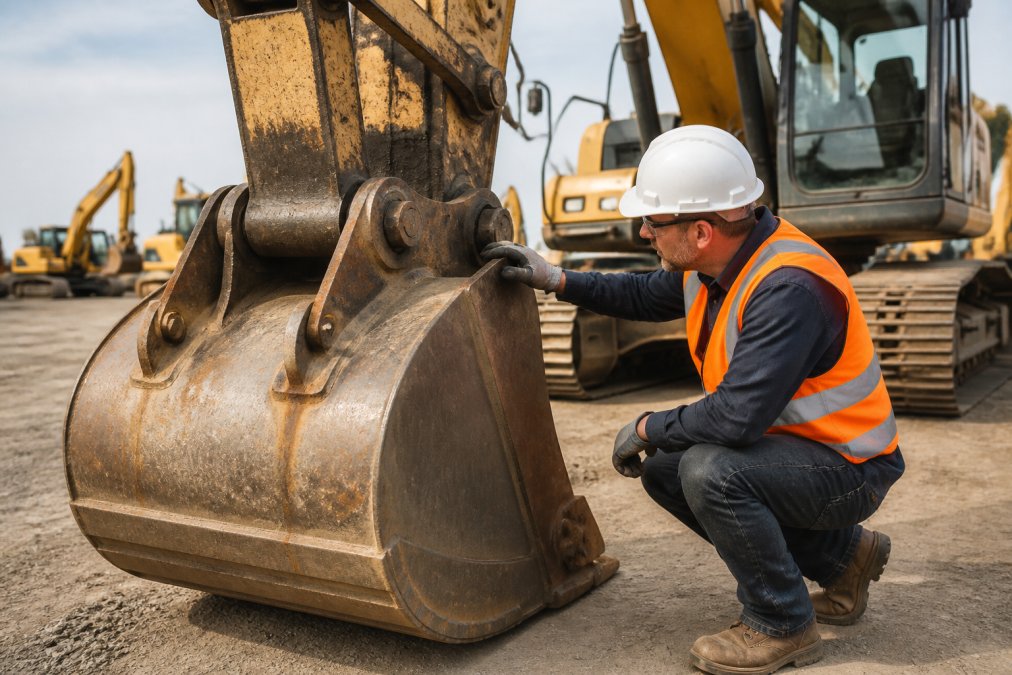
Start with the undercarriage. Inspect tracks or tires for uneven wear, cuts, or damage. Check track tension and alignment. Look for cracks in the frame or welds, which indicate structural stress or accident damage. Examine the hydraulic system thoroughly, look for leaks around cylinders, hoses, and connections. Hydraulic fluid should be clean and free of contamination.
Inspect the engine compartment. Look for oil leaks, corrosion, or damage. Start the engine and listen for unusual noises. Let it run and check for white smoke (coolant burning), black smoke (excessive fuel), or blue smoke (oil burning). Check the cab for damage, rust, or poor repairs. Test all controls, hydraulic levers, steering, and brakes. Verify all safety systems function properly.
Verify service records and maintenance history. Request documentation of major repairs, component replacements, and regular maintenance. Consistent maintenance records indicate responsible ownership. Test all equipment functions thoroughly, operate the bucket or blade through full range of motion, test boom extension and retraction, and verify all hydraulic functions operate smoothly.
Document everything with photographs and video. Have an independent mechanic inspect the equipment if you're uncertain about condition.
Section 179 Tax Deduction for Contractors and Equipment Purchases
The Section 179 tax deduction allows businesses to deduct the full purchase price of qualifying equipment in the year of purchase, rather than depreciating it over several years. This accelerates tax benefits and improves cash flow for contractors buying heavy equipment.
Section 179 deductions apply to tangible personal property used in business operations. Heavy equipment like excavators, dozers, and cranes typically qualifies. The annual Section 179 deduction limit changes yearly based on inflation adjustments. The deduction phases out dollar-for-dollar once you exceed the annual investment threshold. Consult current IRS guidance or your tax professional for exact 2026 limits.
To claim Section 179 deductions, you must file Form 8949 with your tax return. The equipment must be placed in service during the tax year you're claiming the deduction. Bonus depreciation works alongside Section 179 deductions, allowing 100% immediate deduction of qualified property in certain circumstances.
Section 179 deductions don't apply to leased equipment. Lease payments are deductible business expenses, but you don't get the accelerated Section 179 benefit. State tax treatment varies, so research your state's specific rules.
Finding Reputable Dealers and Verified Sellers
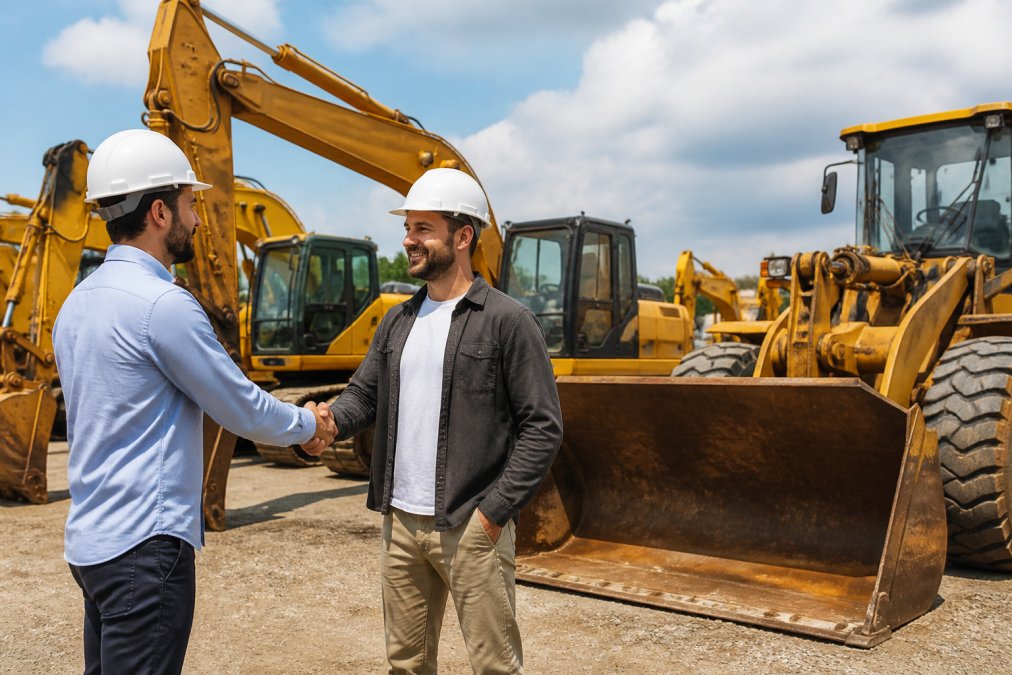
Purchasing from reputable dealers and verified sellers protects you from fraud, misrepresentation, and equipment problems. Established dealerships typically offer factory-authorized service, warranty support, and documented inventory. They have reputation incentives to treat customers fairly, though dealership overhead costs more.
Independent dealers operate between factory dealerships and private sellers. They often have lower overhead and offer competitive pricing, but verify their business legitimacy, customer references, and warranty policies carefully. Private sellers offer the lowest prices but carry the highest risk, you're buying as-is with no warranty protection.
Verify seller credentials before committing funds. Check business registration, licensing, and complaint history. Research online reviews carefully, looking for patterns rather than isolated complaints. EquipMarket connects buyers with verified sellers across the country, simplifying the verification process. The platform's advanced search filters help you find equipment matching your specific requirements, and direct communication with sellers through secure inquiry forms lets you ask detailed questions about equipment condition, history, and specifications before committing.
Arrange independent inspections before purchase. Many sellers resist inspections, which is a red flag. Legitimate sellers expect and accommodate professional inspections. Get everything in writing, document equipment specifications, condition, price, payment terms, and delivery arrangements.
Request references from previous buyers and talk to at least three previous customers if possible. Verify equipment identification numbers and registration. Confirm the VIN or serial number matches documentation and verify the equipment isn't stolen or subject to outstanding liens.
Buying heavy equipment for contractors requires balancing multiple factors: fleet requirements, site conditions, new vs. used considerations, total cost of ownership, financing options, thorough inspections, tax planning, and seller verification. The process demands careful analysis, but getting it right saves money and prevents operational problems.
EquipMarket simplifies this process by connecting you with verified sellers, providing detailed equipment listings with advanced search capabilities, and enabling direct negotiation on your terms. Join thousands of sellers and reach qualified buyers ready to make purchasing decisions about the heavy equipment your business needs.
Frequently Asked Questions
What should a contractor look for during a heavy equipment inspection?
Inspect the engine for leaks, check hydraulic lines and hoses for cracks, examine the bucket or blade for cracks or excessive wear, verify all controls operate smoothly, confirm service history records match the equipment's age, test all safety features, and check for rust or corrosion that signals poor maintenance. Operating hours and maintenance logs are critical, equipment with documented preventative maintenance typically performs more reliably. If you're buying used, always arrange a pre-purchase inspection by a qualified technician.
How does financing heavy construction equipment differ from leasing or rent-to-own?
Financing through loans gives you ownership and builds equity, but requires capital expenditure upfront and responsibility for maintenance and repairs. Leasing spreads costs over time with predictable payments and includes maintenance, but you never own the asset. Rent-to-own bridges both: you pay rental rates that apply toward eventual ownership, preserving cash flow while building equity. For contractors with steady, long-term projects, financing often delivers better return on investment. For seasonal work or unpredictable demand, leasing or rent-to-own reduces risk and keeps cash available for operations.
Can I claim a Section 179 tax deduction for buying heavy equipment?
Yes. Section 179 of the Internal Revenue Code allows you to deduct the full purchase price of qualifying heavy equipment in the year you buy it, rather than depreciating it over several years. This applies to excavators, dozers, cranes, and most construction machinery. The deduction limit for 2026 is $1,160,000 (subject to annual adjustments). Equipment must be used in your business and placed in service during the tax year. Consult a tax professional to confirm eligibility and maximize your deduction, as phase-out thresholds apply.
Is it better to buy new or used construction equipment?
Used equipment typically costs 40-60% less than new and depreciates more slowly, reducing your capital risk. However, new equipment comes with factory warranty coverage, predictable maintenance schedules, and peak fuel efficiency. For contractors with tight budgets or variable project demand, used equipment from reputable dealers offers better cash flow. For high-utilization operations where downtime is costly, new equipment's reliability and warranty may justify the premium. Inspect any used equipment thoroughly and verify service history before committing.