 listicle
3 Best Equipment Financing Options for Contractors in 2026
Last Updated: November 4, 2026
Quick Summary
The three best equipment financing options for contractors are Dimension Funding for specialized machinery, OnDeck for urgent purchases or repairs, and Chase for established contractors seeking longer terms. Compare each offer’s full payment schedule, fees, and fit with your project cash flow before choosing.
- Dimension Funding offers financing structures tailored to different industries and equipment types.
- OnDeck provides fast funding capability, but its repayment terms are shorter than traditional equipment loans.
- Chase offers longer terms for heavy equipment, with strict credit requirements and detailed documentation.
- Compare offers using the same purchase price, down payment, term, fees, and payment frequency.
Table of Contents
- Quick Comparison of the 3 Best Equipment Financing Options for Contractors
- 1. Dimension Funding for Specialized Contractor Equipment
- 2. OnDeck for Urgent Equipment Purchases and Repairs
- 3. Chase for Established Contractors Seeking Longer Terms
- Choosing Construction Equipment Financing by Trade and Cash Flow
- Equipment Financing with No Money Down and Used Equipment Loans for Startups
- Prepare Your Contractor Application and Request Equipment Financing
- Frequently Asked Questions
Quick Comparison of the 3 Best Equipment Financing Options for Contractors
The best equipment financing option depends on what matters most: a tailored structure for specialized machinery, fast access to funds, or longer terms from a bank. Compare equipment financing options for your purchase. This guide compares three choices for contractors and explains how to match financing to equipment, timing, and cash flow.
Equipment financing is funding used to acquire business equipment, with repayment structured around a loan or lease. Our view: choose by the job the equipment must do and the payment schedule your business can support, not by approval speed alone. For general background on business borrowing, the [SBA guide to loans | sba.gov] explains common financing paths.
| Option | Best fit | Main trade-off |
|---|---|---|
| Dimension Funding | Specialized equipment | Less focus on instant online approval |
| OnDeck | Urgent purchases or repairs | Shorter repayment terms |
| Chase | Established contractors | Strict credit and documentation |
Compare the full payment schedule and fees before choosing.
1. Dimension Funding for Specialized Contractor Equipment
Ask how the proposed structure handles the equipment’s useful life, expected project revenue, and any seasonal gaps.
Pros
- Financing structures tailored to different industries
- Support for varied equipment types
- Long-term financing options
Cons
- Less emphasis on instant online approvals
- Pricing requires a customized quote
2. OnDeck for Urgent Equipment Purchases and Repairs
That can put pressure on cash flow if a purchase takes time to earn revenue. Before borrowing, compare the payment schedule with confirmed project income, not hoped-for work.
Pros
- Fast funding capability
- Online application and account management
- Term loans and lines of credit
Cons
- Shorter repayment terms than traditional equipment loans
- Pricing is provided by quote
3. Chase for Established Contractors Seeking Longer Terms
Ask for the total cost of borrowing, including fees, and check whether the equipment secures the loan.
Pros
- Longer terms for heavy equipment
- Lower APRs than alternative lenders for qualified borrowers
- Existing banking integration
Cons
- Strict credit requirements
- Detailed documentation required
Choosing Construction Equipment Financing by Trade and Cash Flow
The right financing structure depends on what the equipment does, how reliably it earns revenue, and when customers pay. Compare offers using the same purchase price, down payment, term, fees, and payment frequency; a low quoted rate can still produce a poor fit if payments come due before project cash arrives.
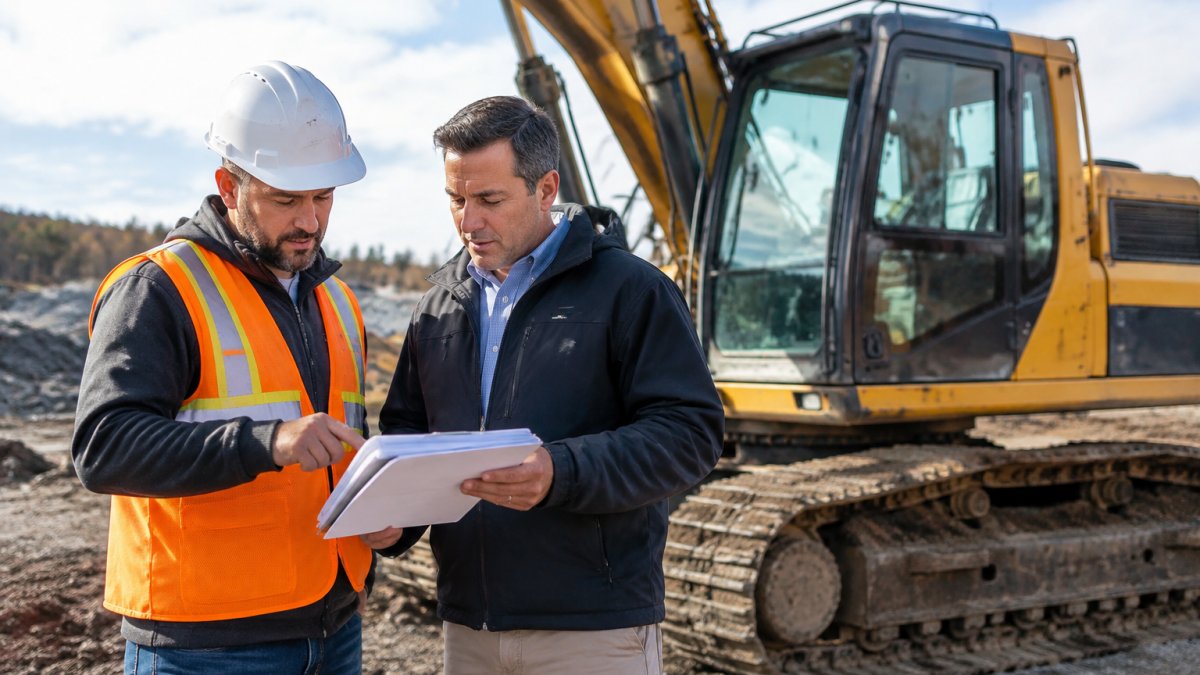
A useful contractor-specific comparison starts with the asset and the work it supports:
| Contractor or purchase | Example equipment | Financing questions to resolve |
|---|---|---|
| General contractor | Excavator or skid steer | Will the machine be used across several jobs, and does the term fit its expected working life? Can it earn revenue between projects? |
| Roofer | Work truck or dump trailer | Will the vehicle or trailer be needed year-round, or mainly during the busy season? Can the business cover payments during weather delays? |
| Electrician | Bucket truck or specialized service vehicle | Is the equipment essential to contracted work, and will the project schedule generate cash before the first payments are due? |
| Specialty subcontractor | Specialized machinery | Can the lender value the asset and confirm it meets any age, condition, or seller requirements? |
Use the same scenario to compare total cost, not just monthly payments. For example, for a hypothetical $60,000 equipment purchase, request written quotes showing the amount financed after any down payment, the payment amount and frequency, the number of payments, fees, and total repayment. Do not assume a rate or payment amount before receiving an offer: lender pricing, fees, and payment schedules vary. If one offer has a lower payment because it runs longer, compare its total repayment and the date the debt will be paid off with the shorter option.
Project cash flow needs its own check. Map each payment date against expected customer deposits, progress payments, retainage releases, payroll, materials, insurance, and existing debt. A project can be profitable on paper while still leaving a cash gap if the contractor pays for labor and equipment before receiving a progress payment or retainage.
- Seasonal work: Estimate whether the business can make every scheduled payment during its slow months, not only during peak season.
- Project-based revenue: Compare payment dates with contract milestones and realistic collection timing; do not treat an unsigned bid or delayed invoice as available cash.
- Payment frequency: Ask whether payments are monthly or more frequent and whether the lender offers a schedule that better fits the business’s receipts. Confirm any cost or eligibility conditions in writing.
- Term and useful life: Avoid choosing a term solely to reduce the payment. Consider whether the equipment is likely to remain productive and serviceable through the payoff date.
We use a Fit, Timing, and Exit test: fit the financing to the asset and trade, confirm funds will arrive before the equipment is needed, and decide whether you want to own the equipment at the end. A loan may suit a contractor planning to keep the machine; a lease may suit a shorter ownership horizon, subject to its return, purchase, and use conditions. Compare repayment terms and total cost with an equipment-specific offer.
| Contractor need | Starting point from this guide | Main trade-off to verify |
|---|---|---|
| Dimension Funding | ||
| OnDeck | ||
| Chase |
Before signing, ask each lender for the complete payment schedule, all fees, any down payment, collateral and lien terms, and the amount required to pay off the financing early. Compare those written terms against the same project cash-flow forecast.
For a deeper look at leasing versus borrowing, read equipment leasing versus loans. For payment planning, see cash flow strategies for equipment financing.
Equipment Financing with No Money Down and Used Equipment Loans for Startups
Compare the amount financed, payment schedule, fees, total repayment, and any required deposit or closing costs in the written offer. A lender may also require a down payment based on the borrower, the equipment, or the transaction; do not assume the advertised structure applies to every contractor or asset.
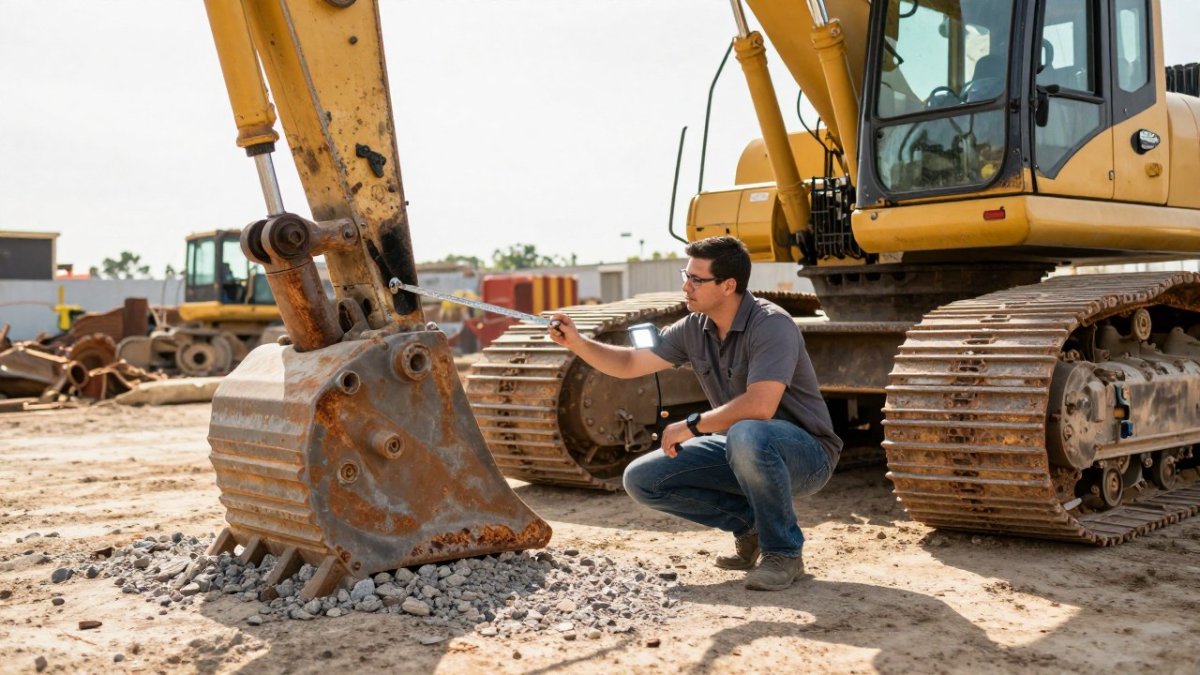
Before paying a deposit, ask whether the lender will finance the specific make, model, year, condition, seller, and purchase price.
Prepare these details for a used-equipment request:
- Equipment identity: Make, model, year, serial number, hours or mileage, attachments, and stated condition.
- Price and seller: A written purchase quote or bill of sale, seller contact information, and whether the seller is a dealer or private party.
- Condition and value: Available maintenance records, inspection reports, repair history, and any valuation information the lender requests.
- Business use: The jobs or services the equipment will support and when it is expected to begin earning revenue.
- Borrower information: Business financial statements, tax returns, time in business, current debt obligations, and a cash-flow forecast.
- Insurance and collateral: Proof of insurance if required, plus written confirmation of title, lien, and collateral arrangements.
For specialized or older machinery, ask whether the lender requires an independent inspection, limits the equipment’s age or hours, restricts private-party purchases, or needs a particular dealer invoice. Confirm who pays for an inspection and whether the lender can decline the asset after reviewing it.
Build the payment plan around realistic collection dates and include operating costs such as fuel, maintenance, transportation, and insurance, not just the loan payment.
Watch out: Do not pay a nonrefundable deposit or take delivery until the lender confirms in writing that the exact equipment and seller meet its requirements and states the conditions for funding.
For startup-focused options, review startup equipment financing; for a purchase check, use the used fleet valuation steps.
Prepare Your Contractor Application and Request Equipment Financing
Prepare the details before requesting quotes so you can compare offers on equal terms, rather than focusing only on the monthly payment.
- Equipment make, model, condition, and seller details
- Purchase quote and intended business use
- Business financial statements and tax returns
- Credit history and time in business
- Annual revenue and current cash-flow needs
- Desired loan amount, term, and down payment
- Questions about APR, fees, collateral, title, and liens
Ask who holds the title, how a lien is recorded or released, and what happens if you sell or replace the machine before repayment ends. The [SBA loan application guidance | sba.gov] offers a useful document-preparation reference.
The challenge is finding funding that arrives in time without burdening the next project’s cash flow. Equipment Finance Academy provides access to a lender marketplace, approvals in hours, and same-day funding. Get started with Equipment Finance Academy to explore equipment financing options for your next purchase.
Frequently Asked Questions
What equipment company has the best financing for contractors?
The best fit depends on the equipment, urgency, and business finances. Compare the full borrowing cost, repayment schedule, documentation requirements, and whether the lender finances the specific asset before applying.
What are the three main types of equipment financing for contractors?
Compare total cost, payment timing, and ownership terms against the project’s cash flow.
Can contractors get equipment financing with no money down?
Ask for the down payment, fees, APR, repayment term, and total scheduled payments in writing, then compare them with an offer that requires an upfront contribution.
Can a startup get a used equipment loan for a business?
Prepare the purchase details, seller information, equipment age and condition, business plan, available financial statements, and cash-flow projections. Ask whether the lender accepts used or specialized machinery and how it handles the asset as collateral.