 listicle
How to Judge the Benefits of Professional Heavy Equipment Inspections
Last Updated: November 6, 2026
Quick Summary
Professional heavy equipment inspections are structured reviews of a machine's mechanical, hydraulic, electrical, structural and safety systems by a trained inspector. Their main benefits are catching small defects early, reducing costly unplanned downtime, improving operator safety and creating a documented record of machine condition.
- Inspections cover undercarriage, hydraulics, engine, brakes, structure, electrical controls and safety devices.
- Inspectors look for trends over time, so a small leak today can reveal a failure risk next month.
- Catching a hydraulic hose problem at a scheduled service costs far less than an emergency repair on the job.
- Set inspection frequency from operating hours and conditions, not just calendar dates.
- A pre-purchase inspection of used equipment reveals hidden problems and supports price negotiation.
Table of Contents
- Catching Defects Early to Reduce Downtime and Repair Costs
- How Often Heavy Equipment Should Be Inspected
- Building a Heavy Equipment Inspection Checklist That Works
- Reading an Equipment Inspection Report and Prioritizing Findings
- Why a Used Heavy Equipment Inspection Protects Your Purchase
- Scheduling Your Next Professional Inspection
- Frequently Asked Questions
Heavy equipment inspections are one of the cheapest ways to protect a large capital asset, yet many owners treat them as a box to tick.
A professional heavy equipment inspection is a structured review of a machine's mechanical, hydraulic, electrical, structural and safety systems, carried out by a trained inspector who records findings against a defined checklist. For a closer look at one of the most-inspected areas, see the detailed undercarriage inspection guide.
In general, a thorough inspection covers:
- Undercarriage and tracks or tires: track tension, roller and idler wear, sprocket condition, tire tread and sidewall damage
- Hydraulic systems: hoses, fittings and cylinders for leaks, abrasion and bulging, plus fluid condition
- Engine and drivetrain: oil and coolant condition, belts, filters, and signs of leaks or unusual wear
- Brakes and steering: pad or lining wear, parking brake function, and steering play
- Structure and attachments: booms, arms, buckets and frames for cracks, bent members and weld failures
- Electrical and controls: lights, alarms, gauges and operator controls
- Safety devices: backup alarms, guards, rollover protection, fire extinguishers and fall-prevention features
Two points matter here. First, a good inspector looks for trends, not just a pass or fail. Second, the inspection should produce a written record.
Internal teams can handle daily checks, while a professional inspection adds an independent, trained eye. A documented condition report can be useful for used equipment, leased machines and anything tied to a financing agreement.
Before paying for an inspection, ask the provider for a sample report so you can see which systems are covered and how findings are rated.
Watch out: an inspection that only checks what is visible on the surface can miss internal hydraulic and structural problems, so confirm the scope in writing before the inspector arrives.
How Inspections Improve Operator and Worksite Safety
Equipment failure is a safety problem as well as a cost problem.
Inspections support safety in three practical ways. They catch defects in critical systems such as brakes, steering and rollover protection. They verify that safety devices like alarms, guards and lights still function. And they produce documented evidence that the machine was maintained, which matters during audits and after incidents.
Inspection findings are most effective when tied to the operator's pre-shift routine.
The Occupational Safety and Health Administration sets general duty obligations for employers to keep equipment safe, and its construction standards address specific machinery requirements.
Catching Defects Early to Reduce Downtime and Repair Costs
The financial case for inspections rests on a simple idea: small problems are cheaper to fix than large ones. A worn roller replaced during a scheduled service costs far less than a seized track that forces a machine off the job for days.
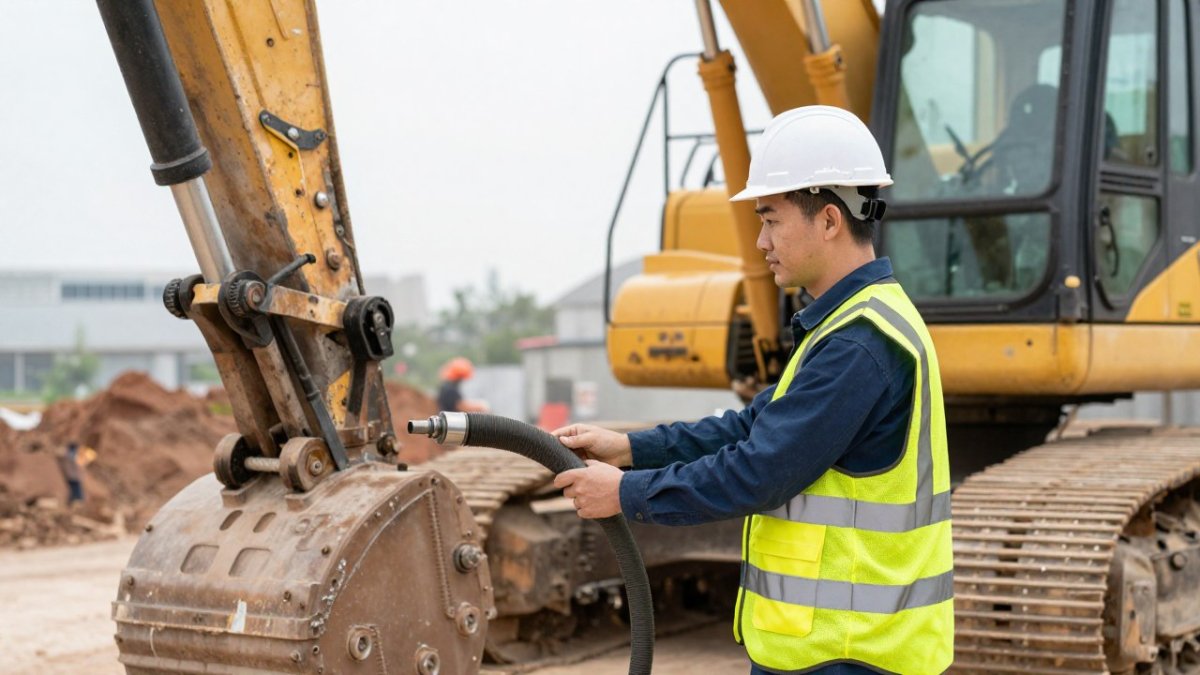
Downtime is often the bigger expense. When a key machine stops, crews wait, deadlines slip and rental replacements add cost. Inspections reduce that exposure by flagging components that are close to failure while there is still time to order parts and book a technician.
Repair history can affect asset value. A documented record of inspections and repairs can help support resale value and can be relevant where a lease includes return-condition requirements.
To put the benefit in context, compare two scenarios for the same excavator. In the first, a hydraulic hose is caught during a quarterly inspection and replaced for a modest parts-and-labor cost during a scheduled service. In the second, the same hose fails on the job, causing a hydraulic leak, a shutdown and an emergency repair.
Keep a running log of inspection findings and the repairs that followed. Over a year, that log will show which components wear fastest in your operating conditions, which is the most useful input for planning your maintenance budget.
Many owners ask how much they should budget for inspections themselves. Costs vary widely by equipment type, location and scope. Request quotes from qualified providers and compare the scope of each.
The article compares the cost of catching a hydraulic hose problem early with letting it fail on the job.
| Scenario | Action | Outcome |
|---|---|---|
| Caught at quarterly inspection | Hose replaced during scheduled service | Modest parts-and-labor cost |
| Fails on the job | Emergency repair after hydraulic leak | Higher parts, labor and lost productivity |
| Same excavator, same hose | Early detection vs. unplanned failure | Failure also carries higher safety risk |
How Often Heavy Equipment Should Be Inspected
Inspection frequency depends on the machine, how hard it works and the conditions it operates in. A crawler dozer running in abrasive quarry dust needs more frequent checks than a light-duty machine used a few hours a week on dry, paved ground.
As a starting point, many fleets combine three layers. Operators perform daily pre-shift walkarounds. Maintenance staff complete more detailed checks on a weekly or monthly basis. A professional inspection runs on a longer cycle, often quarterly or annually, with additional visits after major repairs, extended downtime or any incident.
Adjust the schedule upward when machines run more operating hours, work in dusty, wet, corrosive or extreme-temperature environments, or show a rising count of defects in recent reports. Shorter intervals are also justified for equipment that carries high-consequence safety functions, such as lifting and rigging machinery.
Track operating hours alongside calendar time. A machine that runs double shifts can reach a full year's worth of wear in a few months, so a calendar-only schedule can leave gaps.
"Inspection frequency should reflect the actual hours and conditions a machine sees, not a generic calendar date.", a practical principle reflected in the maintenance guidance used by many fleet managers
Building a Heavy Equipment Inspection Checklist That Works
A checklist turns a good intention into a repeatable process. The most useful heavy equipment inspection checklist is specific to each machine type, short enough to finish on a shift, and designed so that any defect triggers a clear next step.
Structure your checklist around the systems listed earlier, and give each item a simple pass, fail or monitor status. Add a space for a photo or short note on anything that is not a clean pass. Include the operator's name, date, hour meter reading and machine identifier so records can be traced later.
Make the checklist usable in the field. Paper forms get lost and damaged, so many teams use a mobile app or a shared digital form. Whatever format you choose, require that a failed item is reported before the machine goes back into service.
Review your checklist once a year. Remove items that never produce findings and add items for components that have caused problems. A checklist that never changes usually means nobody is reading the results.
The Occupational Safety and Health Administration publishes guidance on inspection and safe operation of construction equipment; check the current requirements through the OSHA equipment inspection guidance when building your template.
Reading an Equipment Inspection Report and Prioritizing Findings
An inspection report is only valuable if someone acts on it. A typical report lists each inspected system, the condition found and a recommended action. The most useful reports rank findings by urgency so managers can decide what to fix now, what to schedule and what to watch.
A practical priority system uses three levels. Critical items affect safety or can cause immediate failure, such as a brake defect, a cracked boom or a major hydraulic leak. These should remove the machine from service until repaired. High-priority items will likely fail before the next scheduled inspection, such as a worn track or a leaking seal, and should be scheduled promptly.
When you read a report, check three things. Look for repeat findings, because a defect that appears again across inspections signals a root cause, not bad luck. Compare the findings with operating hours to judge whether wear is ahead of schedule. And confirm that each critical or high-priority item has an owner and a completion date.
If a report is unclear, ask the inspector to clarify the rating and the recommended action. A good report should let a non-specialist understand what needs doing and why.
Inspection records can support discussions with lenders and lessors about asset condition. The documentation required depends on the agreement, so confirm requirements with your finance provider.
Why a Used Heavy Equipment Inspection Protects Your Purchase
Buying used equipment carries the most risk of hidden problems, which is why a pre-purchase inspection is one of the most valuable checks you can make. A machine can look clean and run well for a short test while hiding a worn undercarriage, a failing transmission or structural damage.
A pre-purchase inspection should cover the full system list described earlier, plus a review of the machine's service history and hour meter reading. Ask for maintenance records. A seller who can document regular service is usually a safer bet than one who cannot.
Use the findings to adjust the price or require repairs before the sale closes. A list of documented defects gives you a factual basis for negotiation, which is more effective than a general sense that the machine seems worn.
Financing decisions also benefit. Lenders assess the value of the collateral, and a documented condition report supports the valuation of a used asset. If you are financing a purchase, share the inspection results with your financing partner early in the process.
A pre-purchase inspection is generally treated as a standard step for any used machine, regardless of the seller's reputation or the price.
Scheduling Your Next Professional Inspection
Booking the next professional inspection is where planning becomes action. Start by listing every machine in your fleet with its hour meter reading, date of last inspection and any open findings. From that list, set the next inspection date for each machine based on the frequency guidance above.
Coordinate timing with your project calendar. Schedule inspections during planned downtime, between jobs or before a heavy production period, so the work does not collide with peak use. Give the inspector access to the machine, the operating records and any prior reports.
Before the visit, confirm the scope of work and ask for a sample report. Clarify whether the inspection includes testing of hydraulic pressure, brakes and electrical systems, or only a visual review. After the inspection, assign owners to each finding and set deadlines for critical and high-priority repairs.
Equipment Finance Academy offers equipment financing and leasing options that may help owners plan the capital side of replacing a machine. Explore equipment financing options to compare structures.
Start with one machine this month, and build the habit from there.
Frequently Asked Questions
What does a professional heavy equipment inspection include?
A professional inspection typically covers the engine, hydraulic system, brakes, tires or tracks, structural welds, safety devices, and fluid levels, with attention to leaks and debris buildup. The inspector documents findings in a written report that rates each item and recommends repairs by urgency. Scope varies by equipment type, so ask the inspector for a written list of what is covered before the visit.
How often should heavy equipment be inspected?
Inspection frequency depends on the manufacturer's maintenance schedule, operating hours, and working conditions. Equipment running long shifts in dusty, wet, or corrosive environments generally needs more frequent checks than machines used lightly. Many fleets combine daily pre-operation walkarounds with a professional inspection at set intervals, then adjust the interval based on the failures they actually see.
Should you get used heavy equipment inspected before buying it?
Yes. A used heavy equipment inspection before purchase reveals hidden wear, past structural damage, and hydraulic or engine problems that a seller may not disclose. The inspection report gives you a documented basis for negotiating price or walking away. The cost of an inspection is usually small compared with an unexpected major repair after the sale.
How much does a heavy equipment inspection cost?
Pricing depends on the equipment type, its size, the inspection scope, and your location, so there is no single standard rate. Request quotes from qualified inspectors that itemize what is included. Comparing the inspection fee against the potential cost of a major repair or downtime usually shows how the expense pays for itself.