 how-to
How to Avoid Construction Equipment Online Scams
Table of Contents
- Red Flags of Online Equipment Scams
- How to Verify Heavy Equipment Sellers
- Secure Payment Methods for Heavy Machinery
- Used Construction Equipment Inspection Checklist
- Avoiding 'Too Good to Be True' Pricing
- Post-Scam Recovery Checklist
- Frequently Asked Questions
Last Updated: August 28, 2026
Red Flags of Online Equipment Scams
Spotting a fraudulent seller before payment is the difference between a completed transaction and financial loss. Sellers who pressure you for quick decisions, insist on payment before in-person inspection, or demand wire transfers upfront are raising immediate warnings. Similarly, sellers who avoid answering specific questions about serial numbers, maintenance history, or equipment specs are hiding something.
Pricing drastically below market value is a major red flag. When a late-model excavator lists for 40-50% less than comparable equipment, the listing is either fraudulent or the equipment has undisclosed damage (the FTC). Bait-and-switch tactics are also common: a seller posts attractive photos, then claims the equipment sold but has "something similar" available at a higher price.
Fake dealer websites mimic legitimate operations with poor grammar, inconsistent branding, or URLs that don't match the company name. Photos that look professionally edited or are clearly stock images rather than actual equipment indicate a scam. Real listings show the specific machine with visible serial numbers, wear patterns, and current condition.
How to Verify Heavy Equipment Sellers
Verifying a seller's identity and history is the most important step in avoiding construction equipment online scams.
Check Seller Identity and History
Start by researching the seller's business registration on your state's Secretary of State website or business licensing database. Request references from previous buyers and ask specific questions: Did the equipment match the listing? Were there any hidden issues discovered after purchase?
Check online reviews across multiple platforms. A seller with consistently positive feedback is more trustworthy than one with no history or mixed reviews. Pay attention to reviews mentioning specific equipment problems or transaction issues.
Inspect Dealer Websites for Authenticity
A legitimate dealer maintains a professional website with consistent branding, clear contact information, and detailed equipment listings. Check that the domain name matches the business name. Scammers often use slightly altered URLs to deceive buyers.
Look for contact information beyond email. Real dealers provide phone numbers, physical addresses, and business hours. Verify the phone number by calling it directly rather than using contact forms.
Review the equipment inventory for consistency. If you see the same excavator photo on several different dealer sites, that's a major red flag.
Verify Serial Numbers and Equipment Specs
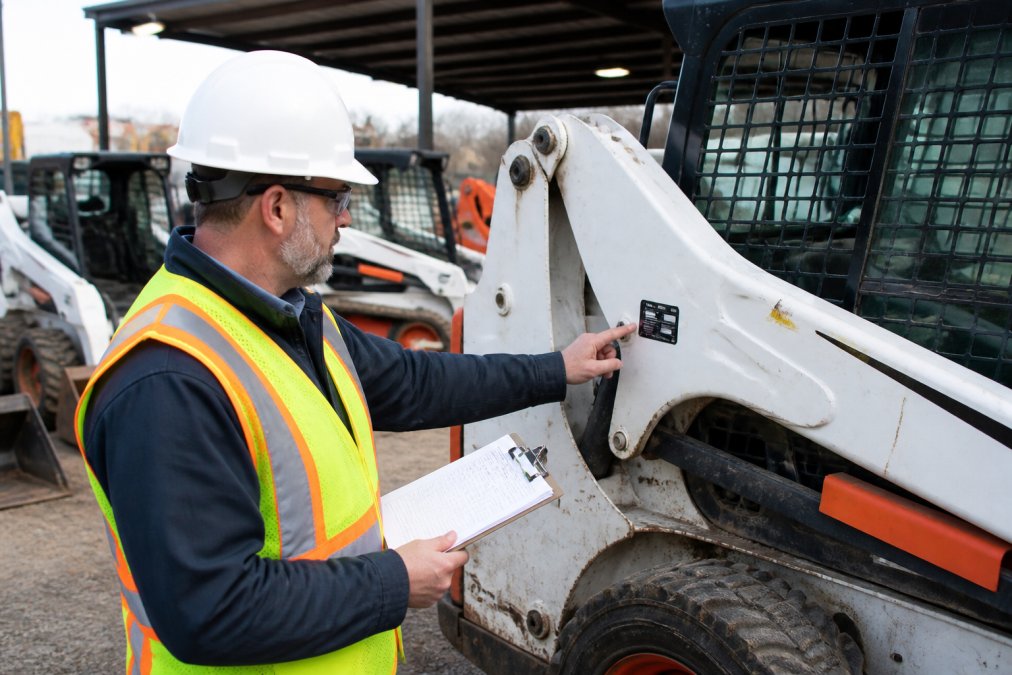
Request the serial number before proceeding with any purchase. Cross-reference it with the manufacturer's database to confirm model year, original specifications, and service history. Check whether the equipment has a clean title and no liens, theft records, or salvage titles.
Secure Payment Methods for Heavy Machinery
Never wire funds directly to a seller's personal bank account. Wire transfers are irreversible and offer no buyer protection. Credit cards and ACH transfers through your bank offer more protection.
Escrow Services and Protected Transactions
An escrow service holds your payment in a neutral account until you've verified the equipment meets the listing description. The escrow agent releases funds to the seller only after you confirm satisfaction. This arrangement protects both buyer and seller.
Avoid sellers who refuse escrow arrangements or insist on direct payment. A seller who pressures you to pay directly is signaling they don't intend to complete the transaction honestly.
Used Construction Equipment Inspection Checklist
An in-person inspection is the only way to verify that equipment matches its listing and functions properly.
Physical Inspection Steps
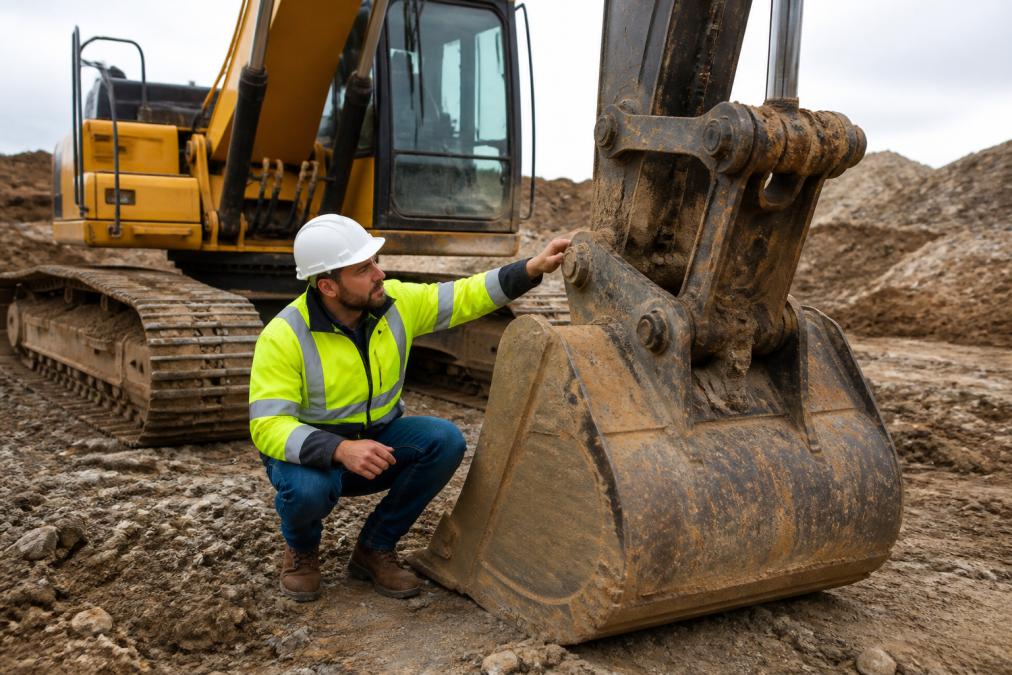
Examine the equipment's exterior for signs of damage, rust, or poor maintenance. Check the undercarriage, hydraulic hoses, and connection points. Test all hydraulic functions by operating the bucket, boom, and other moving parts. Listen for unusual noises that suggest mechanical issues.
Inspect the engine and drivetrain. Check fluid levels and condition, dark, dirty oil suggests infrequent maintenance. Look for oil leaks around the engine block, transmission, and hydraulic components. Start the engine and listen for rough idling, excessive exhaust smoke, or unusual sounds.
Check tire condition and the cab or operator area for damage and missing controls.
Documentation Review
Request complete maintenance records and service history. Equipment with documented regular maintenance is more reliable than machines with no service history. Verify the bill of sale matches the equipment's condition and specifications.
Check the equipment's hours of operation. A five-year-old excavator showing only 1,000 hours is suspicious. Cross-reference the hours with the equipment's age to detect tampering.
Avoiding 'Too Good to Be True' Pricing
Research comparable equipment listings across multiple marketplaces. If a listing is 30-40% below comparable machines, investigate why. Sometimes legitimate reasons exist, but more often the low price indicates misrepresentation or a scam.
Dealers sometimes use artificially low initial prices to attract inquiries, then claim the equipment sold and offer "similar" equipment at higher prices. If a seller's initial listing seems too good to be true and they immediately claim it's unavailable, move to another dealer.
Post-Scam Recovery Checklist
If you've discovered that you've been scammed, immediate action is critical.
Immediate Steps After Discovering Fraud
Contact your payment processor immediately. If you used a credit card, initiate a chargeback dispute within your card's dispute window (typically 60-120 days) (cfpb.gov). If you wired funds, contact your bank immediately, while difficult to reverse, banks can sometimes halt transfers.
Document everything. Save all emails, messages, photos, and communications with the seller. Take screenshots of the original listing, including photos, description, and price. Cease communication with the seller and let official dispute processes handle recovery.
Reporting to Authorities and Payment Processors
File a complaint with the Federal Trade Commission (FTC) at reportfraud.ftc.gov. Report the fraud to your state's Attorney General's office. File a police report for wire fraud or theft if money was transferred.
Contact the marketplace where you found the listing and provide evidence of the fraud. If the equipment was never delivered, file a claim with your shipping carrier or freight company.
Avoiding construction equipment online scams requires verification at every stage: researching sellers, inspecting equipment thoroughly, using secure payment methods, and understanding realistic pricing. EquipMarket connects buyers with verified sellers and provides tools to communicate directly and arrange inspections on your terms, removing intermediaries and reducing fraud risk. When you're ready to buy or sell heavy equipment with confidence, start your search on EquipMarket today.
| Step | Action | Protection Level |
|---|---|---|
| Verify seller identity | Check business registration and references | Prevents impersonation fraud |
| Inspect equipment in person | Test hydraulics, check maintenance records | Catches misrepresentation |
| Use escrow service | Hold payment until verification complete | Protects both buyer and seller |
| Cross-reference serial numbers | Confirm specs and check for theft | Prevents stolen equipment purchases |
| Document everything | Save listings, communications, photos | Supports dispute claims |
Frequently Asked Questions
Q: What are the most common red flags when buying heavy equipment online?
A: Watch for sellers pressuring fast decisions, refusing physical inspections, requesting wire transfers only, or posting vague photos without serial numbers visible. Prices significantly below market value, newly created seller accounts with no history, and requests for deposits before providing documentation are major warning signs. Fraudulent sellers often operate fake websites mimicking legitimate dealer inventory sites. Always verify the seller's identity independently before committing funds.
Q: How can I verify if a heavy equipment seller is legitimate?
A: Check the seller's business registration through state records, verify their phone number and address independently, and review their listing history across multiple platforms. Request recent photos of the specific equipment with serial numbers visible. Ask for references from past buyers and contact them directly. Legitimate dealers maintain consistent inventory across verified platforms and provide detailed equipment specifications. Run a title search to confirm ownership, and use escrow services that protect both parties during the transaction.
Q: What are the safest payment methods for purchasing heavy machinery?
A: Escrow services provide the strongest protection, holding funds until you inspect and accept the equipment. ACH transfers with buyer protection are safer than wire transfers, which are nearly impossible to reverse. Never send money via wire transfer, cryptocurrency, or gift cards. Use payment methods that allow chargeback protection. For large purchases, require a bill of sale and purchase agreement signed before payment. Avoid deposit requests from unverified sellers, legitimate dealers understand the need for due diligence and transaction security.
Q: What should I do immediately if I suspect I've been scammed?
A: Document all communications and transaction records. Contact your payment processor immediately to report the fraud and request a chargeback if applicable. File a complaint with the Federal Trade Commission at reportfraud.ftc.gov. Report the fraudulent listing to the online marketplace where you found it. Contact your bank or credit card company to freeze accounts if sensitive information was shared. If significant financial loss occurred, file a report with local law enforcement and consider consulting an attorney about recovery options.