 how-to
How to Write Heavy Equipment Descriptions: A Practical Guide
Quick Summary
Strong heavy equipment descriptions name the machine type, make, model, and year in the first line, then list verifiable specifications, honest condition details, and a clear next step. Buyers skim for these facts, so specific numbers and documented history earn trust faster than vague claims like runs great.
- Name the equipment type, make, model, and year in the first line of the listing.
- Record the full serial number so buyers can verify year and build configuration.
- State condition by system, with approximate remaining life for wear items like undercarriage.
- Disclose known issues and recent repairs upfront rather than hiding them.
- End every listing with one clear action, such as requesting the inspection report.
Table of Contents
- What a Strong Heavy Equipment Description Must Accomplish
- Gather the Specifications Buyers Need Before You Write
- Describe Condition Honestly Without Killing the Sale
- Use a Repeatable Heavy Equipment Sales Listing Template
- Heavy Equipment Description Examples: Weak Versus Compelling
- Writing a Used Heavy Equipment Listing Description for Different Buyers
- Publish, Measure, and Refine Your Next Listing
- Frequently Asked Questions
What a Strong Heavy Equipment Description Must Accomplish
A strong heavy equipment description does one job well: it helps a serious buyer decide whether to call, visit, or move on, and the best equipment descriptions get that decision made in the first few lines.
Buyers of used heavy equipment are often busy contractors, fleet managers, or owners who are cash-conscious and risk-aware. They skim. They want the machine type, the make and model, the key numbers, and an honest picture of its condition. If your description gives them those things quickly, you earn the next click.
A good description should accomplish four things:
- Identify the machine clearly. Name the equipment type, make, model, and year in the first line.
- Show what it does. Explain the typical work it handles, such as trenching, grading, or lifting.
- Build trust. State the condition plainly, including known issues.
- Prompt action. Give the buyer a clear next step, like requesting a inspection report or scheduling a viewing.
Watch out: Vague phrases like "runs great" or "lots of life left" make buyers wonder what you are hiding. Replace them with facts you can back up.
Gather the Specifications Buyers Need Before You Write
Before writing a single sentence, collect the details buyers use to compare machines side by side. Specifications are the fastest way to earn trust and the first thing a serious buyer checks.
Build a spec sheet in four groups so nothing gets skipped.
Identification and history
- Make, model, and full serial number (the serial number lets a buyer verify year, build configuration, and any factory updates)
- Year of manufacture, confirmed against the serial number rather than the listing title
- Hours on the meter, plus the source of the reading (dash display, ECM download, or seller estimate) and the date it was taken
- Ownership history: one owner, fleet unit, or multiple prior owners
Power and drivetrain
- Engine make, model, displacement, and rated horsepower
- Emissions tier or configuration, since this affects where the machine can be operated and what fuel or fluid it requires
- Transmission or hydrostatic drive type
- Fuel tank capacity and, where relevant, DEF tank capacity
Size, weight, and capacity
- Operating weight, and whether that figure includes the bucket or attachment
- Overall transport dimensions: length, width, height, and shipping weight
- Ground pressure or track shoe width for tracked machines; tire size and tread type for wheeled units
- Rated lift capacity, breakout force, digging depth, reach, or blade capacity, whichever applies to the machine type
- Bucket, blade, or fork size, and whether it is included in the sale
Attachments and compatibility
- Every attachment included, with its size and condition
- Coupler type (pin-on, mechanical quick coupler, or hydraulic quick coupler) and the attachment interface standard
- Hydraulic circuits available (standard, high-flow, or auxiliary) and whether the machine is plumbed for attachments like thumbs, hammers, or grapples
- Any attachments the machine can accept but does not include, which helps a buyer see expansion potential
Verify each number against a source rather than copying it from memory, because accurate equipment descriptions depend on figures you can document.
Maintenance records carry real weight with buyers. A complete log shows regular service, which lowers their risk. If you need help reading those records, review how to interpret heavy equipment maintenance logs before you draft the condition section.
Pull together the documentation you have on hand. Service receipts, inspection reports, and recent repair invoices all support the claims you make. Keep these ready so you can reference them directly in the listing.
Watch out: A single wrong number, such as operating weight that excludes the bucket, can void a buyer's transport plan and kill the deal at the last stage. Confirm the figure and state what it includes.
The four groups of specifications buyers check, at a glance:
| Spec group | What to record | Why it matters |
|---|---|---|
| Identification and history | Make, model, serial number, year, hours | Lets buyers verify year and build |
| Power and drivetrain | Engine, horsepower, emissions tier, drive type | Affects where the machine can run |
| Size, weight, and capacity | Operating weight, dimensions, lift or digging specs | Needed for transport and job planning |
| Attachments and compatibility | Included attachments, coupler type, hydraulic circuits | Shows what the machine can do |
Describe Condition Honestly Without Killing the Sale
Condition is where many sellers lose buyers, either by hiding problems or by burying good news under too many caveats. The goal is transparency that still makes the machine look appealing.
Use a simple structure:
- State the overall condition in one plain sentence.
- List the major systems and their status: engine, hydraulics, undercarriage, and cab.
- Name known wear items and their approximate remaining life.
- Disclose any repairs or issues you have already fixed.
For example, instead of "Some wear," write "Undercarriage has about 60% track life remaining, and the hydraulic pump was rebuilt in 2024." The second version gives the buyer something concrete to evaluate.
Buyers also expect to know which wear items are typical for the machine. If you are unsure which parts to flag, the essential spare parts for used cranes offers a useful model for thinking about wear items, even across different equipment types.
Watch out: Hiding a known leak or cracked component almost always backfires once the buyer inspects the unit. Disclose it upfront and price it honestly.
Use a Repeatable Heavy Equipment Sales Listing Template
A consistent template saves time and helps buyers compare listings. Use the same structure every time, adjusting the details for each machine.
[Year] [Make] [Model] [Equipment Type], [Hours] Hours, [One-line hook]
Overview: Two sentences. The first states what the machine is and its primary jobsite use. The second states overall condition and the single strongest selling point.
Key Specifications: Operating weight, engine horsepower, bucket or blade size, coupler type, and attachments included.
Fill each block with specifics, not adjectives. "Key Specifications" should read like a spec sheet, not a paragraph. "Condition" should name systems and numbers. "Next Step" should give one action, not a menu of five.
For a rental listing, keep the same skeleton but swap two blocks. Replace "Maintenance and Repairs" with Rental Terms (minimum rental period, daily/weekly/monthly rate structure, delivery and pickup, fuel policy, and damage responsibility), and replace "Next Step" with Reserve or Ask a Question. Renters care most about availability dates, attachment options, and who handles transport, so lead the overview with those.
For a fleet or dealer listing with multiple units, keep the template identical across every unit and add a short Fleet Notes line covering shared service history or warranty.
Keep each section short. Buyers scan headers and specs first, then read the condition details if the machine fits their needs. Save your filled-in template as a master file and duplicate it for each new machine so the structure never drifts.
Watch out: A template that is filled in with placeholders left behind ("[insert hours]") reads as careless and undermines the trust the structure is meant to build. Complete every field or remove it before publishing.
Heavy Equipment Description Examples: Weak Versus Compelling
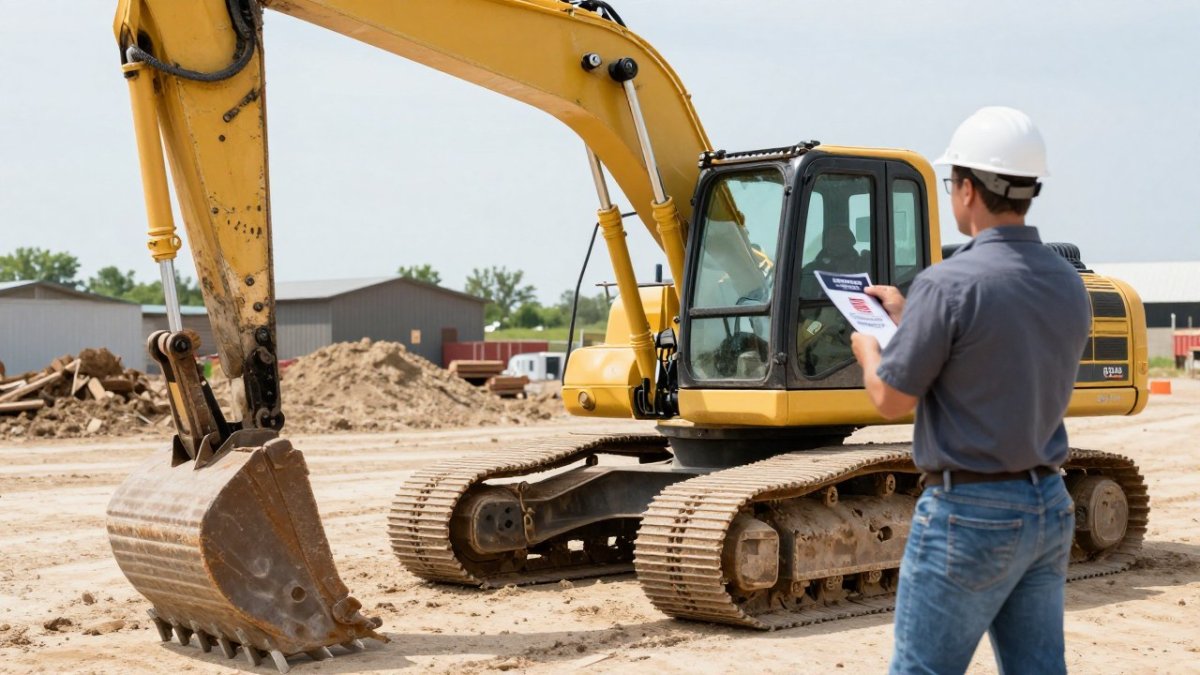
Seeing the difference side by side makes the principles concrete. Here is a weak description next to a stronger version for the same machine.
Weak:
2019 Caterpillar 320 Excavator. Runs good. Lots of hours but well maintained. Call for price.
Compelling:
2019 Caterpillar 320 Excavator, 4,200 hours. Built for trenching, utility work, and site prep. Hydraulics and engine run strong; undercarriage has about 60% life left. Full service log available. Includes 24-inch bucket and thumb. Schedule an inspection this week.
The compelling version identifies the machine, explains its use, gives specific numbers, discloses wear honestly, and ends with a clear next step. Use this as a benchmark when you review your own listings.
Watch out: Avoid superlatives you cannot prove. "Best excavator in the county" invites skepticism. Let the specifications and documented history make the case.
Writing a Used Heavy Equipment Listing Description for Different Buyers
Not every buyer reads a listing the same way. A contractor replacing a machine on a tight schedule wants the hours, availability, and a fast path to inspection. A fleet manager comparing several units wants standardized specs. An owner-operator wants to know the machine handles their daily work.
Adjust your emphasis for each group:
- Contractors on deadline: Lead with availability and delivery options. Include a quick summary of condition.
- Fleet buyers comparing units: Use consistent spec fields so the listing lines up with others.
- Owner-operators: Describe typical jobs the machine handles and any attachments that expand its use.
If you sell to buyers who will finance the purchase, mention that you can share documentation with their lender. Buyers planning a purchase often want to know how timing and depreciation affect value, so depreciation rates for used construction equipment is worth reviewing before you set your asking price.
Business buyers may also weigh tax timing. Buyers considering a purchase may want to understand how timing affects that deduction, and a step-by-step guide to writing off equipment before year-end explains the process. Always confirm current limits with the IRS at IRS.gov or a tax professional.
Watch out:
Publish, Measure, and Refine Your Next Listing
Once your listing is live, track what happens. Note how many views it gets, how many buyers request the inspection report, and how quickly it receives serious inquiries. Those numbers show whether your description is doing its job.
If a listing gets views but few calls, the condition or pricing section may need work. If it gets calls but no offers, check whether the specs are complete and the next-step prompt is clear.
Refine one element at a time so you can see what changes the results. Update the template when you find a structure that works, and keep a file of your strongest descriptions to reuse.
If you need financing for your own equipment purchases or upgrades, equipment financing options in Alabama cover new and used equipment for businesses across the state.
Ready to put these steps into practice? Start with your next listing today and see how a clear, honest description changes buyer response. Equipment Finance Academy helps you connect with serious buyers and lenders so you can move machines and businesses forward.
Frequently Asked Questions
What should a heavy equipment description include?
A strong heavy equipment description identifies the make, model, year, serial number, and equipment type, then lists hours, attachments, and key specifications such as operating weight, engine horsepower, and bucket capacity. It should also state condition clearly, including recent maintenance, known wear, and any repairs. Finally, it should explain the machine's best-suited uses so buyers can tell quickly whether it fits their jobsite. Accurate specifications and honest condition notes reduce wasted site visits and build trust with serious buyers.
How long should a heavy equipment listing description be?
Most effective listings run between 150 and 300 words, with the key specifications presented in a scannable list near the top. Buyers scanning on a phone need the make, model, hours, and price within the first few lines. The narrative section can then explain the machine's capabilities, maintenance history, and ideal applications in plain language. Avoid filler phrases, and cut any sentence that does not help a buyer decide whether to inspect the machine.
How do you describe heavy equipment condition accurately?
Describe condition using specific, verifiable facts rather than broad labels like excellent or great shape. Note the hour meter reading, the date of the last major service, and any known issues such as worn undercarriage, hydraulic seep, or cracked glass. Mention repairs with dates and parts replaced when records exist. Clear disclosure of wear reduces disputes after the sale and helps buyers price the machine realistically, which often shortens time on the market.
What specifications should you include in an equipment listing?
Include the equipment type, make, model, year, serial number, operating hours, and engine details such as horsepower and fuel type. For excavators and dozers, add operating weight, bucket or blade capacity, and dig depth or reach where relevant. List the attachments included and whether they are hydraulic or manual. Buyers comparing machines rely on these numbers, so consistent units and complete figures make your listing easier to evaluate against competitors.