 how-to
Avoiding Machinery Scams Online: 7 Essential Checks
Table of Contents
- Why Machinery Scams Target Online Buyers
- Red Flags in Heavy Machinery Listings
- Verifying the Seller's Identity and Legitimacy
- Heavy Equipment Inspection Checklist
- Safe Payment Methods for Heavy Equipment
- What to Do If You Suspect a Scam
- Avoiding Machinery Scams: Your Action Plan
- Conclusion
- Frequently Asked Questions
Last Updated: August 21, 2026
Why Machinery Scams Target Online Buyers
Online machinery marketplaces have made equipment procurement faster and more accessible. They've also created new opportunities for fraudsters. The combination of high transaction values, geographic distance between buyers and sellers, and the difficulty of verifying equipment condition remotely makes heavy machinery an attractive target for scammers.
Construction professionals, equipment managers, and independent contractors face real financial risk when buying used machinery online. A single fraudulent transaction can cost tens of thousands of dollars. Unlike consumer purchases where chargebacks and buyer protection are standard, heavy equipment sales often involve wire transfers, down payments, and limited recourse once funds are sent.
The anonymity of online platforms compounds the problem. A scammer can create a convincing seller profile, post stolen photos of real equipment, and disappear after collecting payment. By the time a buyer realizes the equipment never existed or doesn't match the listing, the money is gone. Understanding how to identify and avoid machinery scams online is essential before you commit to any transaction.
Red Flags in Heavy Machinery Listings
Certain characteristics in heavy machinery listings signal potential fraud. Learning to spot these warning signs before you invest time or money in a deal saves you from wasted effort and financial loss.
Unrealistic Pricing and Pressure Tactics
Pricing that's significantly below market value is often the first red flag in fraudulent listings. Scammers use aggressive discounting to create urgency and bypass rational decision-making. If a piece of equipment costs 30-40% less than comparable machines, ask why before proceeding (the FTC).
Pressure tactics accompany unrealistic pricing. A legitimate seller allows time for inspection and due diligence. Scammers push for immediate payment, claim multiple buyers are interested, or insist on wire transfer only. Phrases like "I need this sold by Friday" or "This price is only good for 24 hours" are classic pressure moves designed to make you act without verification.
Legitimate sellers understand that heavy equipment purchases require careful consideration. They provide detailed specifications, respond to technical questions, and accommodate inspection requests. If a seller becomes evasive when you ask for documentation or refuses to allow an in-person or video inspection, that's a signal to walk away.
Stolen or Mismatched Photos
Fraudsters frequently use photos from legitimate equipment listings or manufacturer websites without permission. Reverse image searching can reveal whether photos are genuine or stolen. Many scams reuse the same images across multiple fake listings.
Mismatched photos also indicate problems. A listing might show a pristine excavator in the thumbnail but describe significant wear in the text. Photos might be taken in different lighting or seasons, suggesting they came from different machines or different time periods. Legitimate sellers take current photos of their specific equipment in consistent conditions.
Look for inconsistencies in serial numbers, paint color, wear patterns, and attachments across photos. A real excavator has a unique wear pattern and specific condition markers. If photos don't align with the stated age, maintenance history, or claimed condition, the listing is likely fraudulent.
Verifying the Seller's Identity and Legitimacy
Before engaging in serious negotiations, verify that the seller is a real business or individual with a legitimate track record. This step separates cautious buyers from those who lose money to scammers.
Check the seller's domain registration and website history using WHOIS lookup tools. A legitimate heavy equipment dealer has a domain registered years ago, not days ago. Look at when the website was first indexed by search engines. A brand-new website combined with aggressive sales tactics is suspicious. Established dealers have years of online presence and customer reviews across multiple platforms.
Verify the seller's business license and registration through your state's Secretary of State office. Call the phone number listed on their website and speak to someone directly. Ask specific questions about their inventory, how long they've been in business, and whether they have references from past customers. Legitimate dealers answer these questions without hesitation.

Request documentation that proves ownership of the equipment. A real seller can provide purchase invoices, maintenance records, or previous sales documentation. They should have clear photos of the serial number plate and identification marks. If a seller cannot produce these documents, they likely don't own the equipment.
Check for business reputation on the Better Business Bureau website and industry-specific review platforms. Read recent reviews carefully. Scammers sometimes create fake positive reviews, but patterns of complaints about non-delivery or misrepresented equipment are genuine warning signs. Look for reviews that mention specific equipment models and transaction details.
Heavy Equipment Inspection Checklist
Inspecting equipment before purchase is non-negotiable. Whether you conduct an in-person inspection or arrange a video inspection, follow a systematic process that documents the equipment's actual condition.
Serial Number Verification
Every piece of heavy machinery has a unique serial number. Verify that the serial number on the equipment matches the number listed in the listing and on all documentation. Scammers sometimes list equipment with one serial number but deliver (or attempt to deliver) something else entirely.
Write down the serial number and cross-reference it against the manufacturer's records if possible. Some manufacturers allow you to look up equipment history by serial number. This reveals maintenance records, ownership history, and whether the machine has been reported as stolen.
Check for signs of tampering on the serial number plate. If the numbers appear scratched, filed, or repainted, the equipment's history may be hidden. Legitimate sellers preserve original serial number plates as part of standard maintenance.
Video Inspection Protocols
When an in-person inspection isn't feasible, request a detailed video inspection. This should cover the equipment from multiple angles, including close-ups of the serial number, engine compartment, hydraulic systems, and wear surfaces.
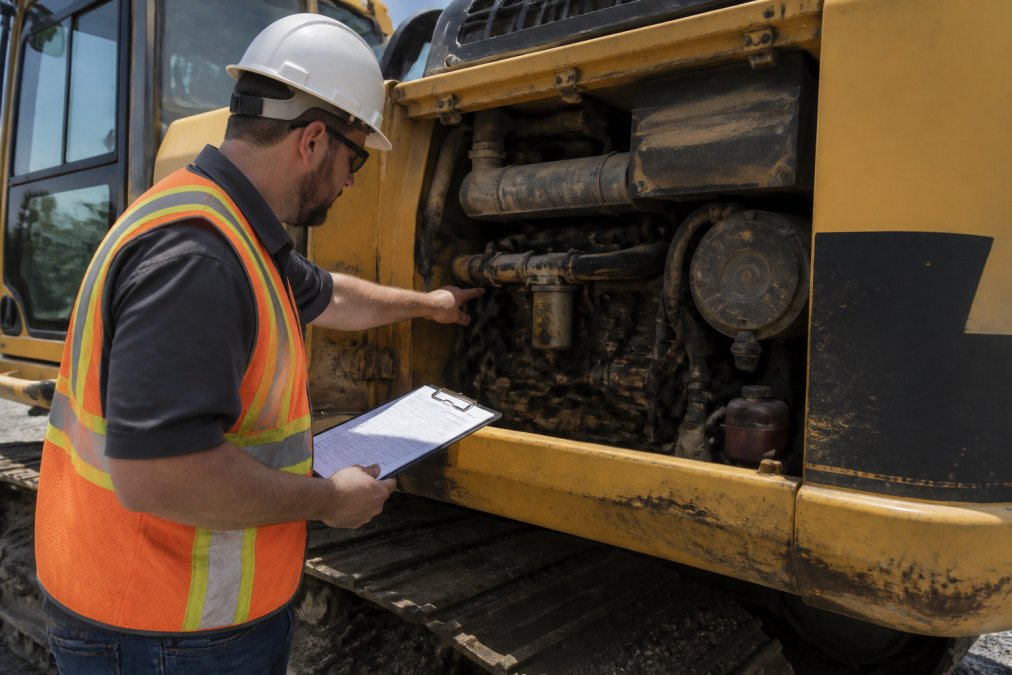
Ask the seller to perform specific operational tests during the video call. Request that they start the engine, demonstrate hydraulic functions, and show the equipment moving or operating under load if applicable. A legitimate seller accommodates these requests. A scammer either refuses or provides pre-recorded footage.
Take screenshots or record the video for your records. This documentation protects you if disputes arise and provides evidence if you need to report fraud to authorities. Compare the video inspection against the listing photos. If the equipment looks different, ask for clarification before proceeding.
Document the condition of tires, tracks, hoses, and visible wear patterns. Note any damage, repairs, or modifications. Ask when major components were last serviced. A seller who can't provide maintenance history for a supposedly well-maintained machine is hiding something.
Safe Payment Methods for Heavy Equipment
Your payment method determines whether you have recourse if the transaction goes wrong. Wire transfers and untraceable payments offer no buyer protection. Safe payment methods for heavy equipment include escrow services, purchase orders with payment contingencies, and equipment financing through established lenders.
Escrow services hold funds until the buyer confirms receipt and condition of equipment. The escrow company releases payment only after both parties agree the transaction is complete. This protects both buyer and seller. Research the escrow service thoroughly. Verify it's a legitimate, established company with real office locations and customer reviews. Scammers sometimes create fake escrow websites that look professional but immediately release funds to fraudsters.
Purchase orders create a paper trail and establish clear terms. A legitimate seller accepts a purchase order that specifies equipment specifications, delivery terms, and payment conditions. The purchase order should include a clause allowing you to refuse delivery if the equipment doesn't match the description.
Equipment financing through banks and credit unions offers protection because the lender has an interest in verifying the transaction. They conduct their own due diligence and won't finance clearly fraudulent deals. If you're financing through a lender, that verification process works in your favor.
Never wire funds directly to a seller's personal account. Wire transfers are essentially untraceable cash. Once sent, the money is gone. If the equipment never arrives or doesn't match the listing, you have no way to recover your funds. Avoid payment methods that leave you with no recourse.
What to Do If You Suspect a Scam
If you've encountered a fraudulent listing or realized you've been scammed, take action immediately. The faster you respond, the better your chances of recovering funds or preventing others from falling victim.
Report the listing to the marketplace platform where you found it. Provide specific details about why you believe the listing is fraudulent. Most platforms have fraud reporting processes and will investigate. If enough reports come in, they'll remove the listing and suspend the seller's account.
File a complaint with the Federal Trade Commission at ReportFraud.ftc.gov. The FTC tracks fraud patterns and uses reports to identify organized scam operations. Include all documentation: screenshots of the listing, emails from the seller, payment records, and any other evidence.
Contact your bank or payment processor immediately if you've already sent funds. If you used a credit card or wire transfer through a bank, report the transaction as fraudulent. Banks can sometimes reverse transactions within a specific window, though this depends on the payment method and timing.
If you've sent funds via wire transfer, contact the receiving bank directly. Provide them with the wire transfer details and explain that the transaction was fraudulent. Some banks can freeze accounts if they're notified quickly enough, though recovery isn't guaranteed.
Document everything for potential legal action. Keep screenshots of the listing, all emails, payment confirmations, and any correspondence with the seller. If the fraud involves a significant amount of money, consult with an attorney about your options. Some scams involve organized crime, and law enforcement may investigate if multiple victims come forward.
Report the domain and website to the Internet Crime Complaint Center at IC3.gov. This federal agency investigates online fraud and coordinates with law enforcement. Your report contributes to larger investigations into organized scam networks.
Avoiding Machinery Scams: Your Action Plan
Protecting yourself from machinery scams online requires a systematic approach. Use this action plan before committing to any heavy equipment purchase.
Step 1: Research the Seller Verify domain registration, business license, and online reputation. Check the Better Business Bureau and industry review sites. Call the seller directly and speak to someone who can answer detailed questions about their inventory and business history.
Step 2: Examine the Listing Carefully Look for unrealistic pricing, pressure tactics, and inconsistencies. Reverse image search the photos to confirm they haven't been stolen from other listings. Compare the photos against the written description for mismatches.
Step 3: Request Detailed Documentation Ask for serial number verification, maintenance records, purchase invoices, and proof of ownership. A legitimate seller provides these documents without hesitation. If a seller refuses or becomes evasive, move on.
Step 4: Conduct a Thorough Inspection Arrange an in-person inspection if possible. If distance is an issue, request a detailed video inspection that includes operational demonstrations. Document everything with photos and video.
Step 5: Use Safe Payment Methods Avoid wire transfers to personal accounts. Use escrow services, equipment financing, or purchase orders with clear payment contingencies. Verify that any escrow service is legitimate before sending funds.
Step 6: Keep Records Document every communication, transaction detail, and piece of evidence. This protects you if disputes arise and provides evidence if you need to report fraud.
EquipMarket simplifies this process by connecting you with verified sellers who have established track records on the platform. The marketplace's advanced search filters and direct communication tools let you contact sellers, arrange inspections, and negotiate deals on your terms. When you're buying or selling heavy machinery online, working with a platform that prioritizes verification reduces your exposure to fraudulent listings and gives you confidence in your transactions.
Conclusion
Avoiding machinery scams online starts with healthy skepticism and systematic verification. Scammers exploit urgency, geographic distance, and the difficulty of verifying equipment condition remotely. Your defense is methodical research, documentation, and safe payment practices.
The most dangerous scams look legitimate. They use professional photos, respond quickly to inquiries, and create artificial pressure to act fast. Your job is to verify independently, ask detailed questions, and walk away from deals that feel rushed or inconsistent.
EquipMarket's verified seller network and direct negotiation tools eliminate many of the vulnerabilities that scammers exploit. You can arrange inspections, compare equipment specifications, and complete transactions with sellers you've vetted directly. Start selling today and connect with qualified buyers who understand the value of transparency and verification in heavy equipment transactions.
Frequently Asked Questions
How can I verify if a heavy machinery seller is legitimate?
Check the seller's business registration with the Secretary of State, verify their domain registration age and contact information, and search for their company name with 'scam' or 'complaint' to find any fraud reports. Ask for references from past buyers and request their equipment's service history. Legitimate sellers provide detailed documentation, answer specific equipment questions, and don't pressure you into quick decisions. EquipMarket connects buyers with verified sellers, reducing your risk significantly.
What are the most common red flags when buying heavy equipment online?
Watch for prices significantly below market value, pressure to pay immediately or via wire transfer, reluctance to provide serial numbers or inspection videos, stock photos instead of original listing photos, and sellers unwilling to arrange video calls or third-party inspections. Bait-and-switch tactics, where the delivered equipment differs from photos, are common. Reverse image searches often reveal stolen photos from other listings. Phishing links in emails and look-alike websites designed to steal payment information are also prevalent scams targeting equipment buyers.
What payment methods are safest for high-value equipment transactions?
Escrow services are the gold standard for machinery purchases, a neutral third party holds funds until you verify the equipment matches the listing. Certified bank checks and wire transfers through verified banking channels offer some protection if you've confirmed the seller's legitimacy. Credit cards provide buyer protection through chargeback options. Never use peer-to-peer payment apps, cryptocurrency, or wire transfers to unfamiliar accounts. Purchase orders with clear terms and conditions create a legal record. Always verify the payment recipient's identity independently before sending funds, regardless of payment method.
Should I ever buy heavy machinery without a physical inspection?
Not for high-value purchases. Video inspection protocols conducted via live video call allow you to see the equipment's condition, hear it run, and verify serial numbers in real time. Ask the seller to show specific components, fluid levels, and operational details. If distance prevents in-person inspection, hire a local equipment inspector to visit on your behalf, the cost is minimal compared to the risk. For used equipment, an inspection is non-negotiable because it reveals hidden damage, mechanical issues, and confirms the serial number matches the documentation.
Protecting your investment in heavy machinery requires vigilance, but the effort pays off. By following these verification steps and using safe payment methods, you avoid costly mistakes and build confidence in your online equipment purchases. Whether you're buying your first used excavator or managing a fleet upgrade, the practices outlined here apply across all heavy equipment transactions.