 listicle
Best Marketplace for Construction Equipment
Table of Contents
- Top Construction Equipment Marketplaces Compared
- EquipMarket: Direct Negotiation with Verified Sellers
- Ritchie Bros. Auctioneers: Unreserved Auctions for Competitive Pricing
- AuctionTime.com: Weekly Online Heavy Equipment Auctions
- MyLittleSalesman.com: User-Friendly Interface for Mid-Size Contractors
- Mascus: International Reach for Used Machinery
- Purple Wave: Online-Only Unreserved Bidding
- Heavy Equipment Auctions: Auction vs. Fixed-Price Marketplaces
- Used Construction Equipment Pricing Guide
- How to Inspect Used Heavy Machinery Before Buying
- Financing, Shipping, and Logistics for Heavy Machinery
- Which Marketplace Is Right for You?
- Conclusion
- Frequently Asked Questions
Last Updated: August 26, 2026
Top Construction Equipment Marketplaces Compared
Finding the right marketplace for construction equipment means the difference between fair market value and overpaying by thousands. The challenge isn't the shortage of options, it's knowing which platform aligns with your buying style, budget, and timeline.
This guide breaks down the leading marketplaces for heavy machinery, helping you navigate auction formats, fixed-price listings, seller verification, and financing options. Whether you're a small contractor hunting for a used excavator or a fleet manager liquidating surplus equipment, the marketplace you choose directly affects your access to inventory, negotiation power, and total cost of ownership.

EquipMarket: Direct Negotiation with Verified Sellers
EquipMarket connects you directly with verified sellers, eliminating middleman markups. You negotiate terms directly, arrange inspections on your schedule, and maintain full control over the deal structure. The value estimator tool helps you understand fair market pricing before making an offer, reducing overpayment risk. Advanced search filters narrow results by equipment type, operating hours, location, and price range.
Ritchie Bros. Auctioneers: Unreserved Auctions for Competitive Pricing
Ritchie Bros. operates as the world's largest industrial auctioneer, running unreserved auctions where everything sells to the highest bidder. This model attracts serious buyers and sellers because there's no reserve protecting the seller. The unreserved format often produces competitive pricing favoring deal-hunting buyers. You can bid in person or online, and the process moves fast.
The tradeoff: auction premiums add to your final cost, and prices swing unpredictably based on bidder competition. Ritchie Bros. applies a buyer's premium to every purchase, which can vary by bid amount and location. On smaller items under $1,200, there's a $100 per-item charge, and a $100 transaction fee may apply even on an $80 bid. Card payments can add another 3-5%. For items $5,500 or less, the buyer's premium is 15% of the winning bid, with a minimum fee of $100 per lot (ritchiebros.com). For items greater than $5,500 up to and including $13,500, the premium is 10% of the winning bid, with a minimum fee of $825 per lot.
AuctionTime.com: Weekly Online Heavy Equipment Auctions
AuctionTime.com runs frequent online auctions for construction and farm machinery, backed by Machinery Trader and TractorHouse credibility. Weekly auctions mean regular opportunities without waiting months between sales events. The auction format creates competition that can drive prices down if inventory is abundant.
The weakness: auction success depends on competitive bidding. If multiple contractors hunt the same equipment, prices rise. You also can't negotiate after winning. Auctioneers/dealers may charge a buyer's premium and other fees. A 10% buyer's premium may be applied to the purchase price, with the premium amount not exceeding $5,000 (auctiontime.com). Credit card purchases may be assessed a 3.5% premium.
MyLittleSalesman.com: User-Friendly Interface for Mid-Size Contractors
MyLittleSalesman.com combines dealer listings with transportation and truck inventory, making it easy to find both equipment and logistics solutions in one place. The clean interface and strong search filters appeal to contractors who want straightforward browsing without information overload.
The limitation: pricing isn't transparent upfront, and the platform's reach is narrower than national auction houses. Individual listings are available for 1 month, 3 months, or 6 months, with prices ranging from $39.95 to $209.95. Featured listings, which offer prime placement, range from $69.95 to $339.95 for similar durations.
Mascus: International Reach for Used Machinery
Mascus operates as an international marketplace for used machinery across construction, agriculture, and transportation sectors. The global reach opens access to equipment unavailable on domestic-only platforms. Advanced search features let you filter by location, product type, brand, and price.
The challenge: international purchases introduce complexity around shipping, customs, and title transfer. Mascus also offers a free valuation tool, the Mascus Price Indicator, exclusively to its clients, which provides access to anonymous historical pricing data.
Purple Wave: Online-Only Unreserved Bidding
Purple Wave specializes in online-only, unreserved auctions for heavy equipment and farm machinery. Detailed information and photos help you make informed decisions without in-person inspection. All items sell to the highest bidder, ensuring everything moves.
The drawback: you can't inspect equipment in person before bidding, relying entirely on photos and descriptions. Purple Wave charges a 10% buyer's premium on all purchases. Listing fees for sellers can be as low as $100.
Heavy Equipment Auctions: Auction vs. Fixed-Price Marketplaces
The format you choose shapes your entire buying experience.
Auction Format: Speed and Competition
Auctions create competitive environments where multiple bidders drive prices up. The unreserved model guarantees everything sells, appealing to sellers but working against buyers hunting bargains. Auctions move fast, with inventory turnover high and new equipment constantly appearing.
For sellers, auctions guarantee a sale with no reserve price risk and clear inventory quickly.
Fixed-Price Listings: Negotiation and Flexibility
Fixed-price marketplaces like EquipMarket let you browse inventory at leisure and negotiate directly with sellers. There's no time pressure, no auction premiums, and no bidding wars. You can walk away if equipment doesn't meet inspection standards or negotiations stall.
The tradeoff: fixed-price listings often sit longer on the market, and pricing varies significantly depending on seller urgency.
Used Construction Equipment Pricing Guide
Understanding what drives equipment value helps you recognize fair deals and avoid overpaying.
Factors That Affect Equipment Value
Equipment condition is the primary value driver. A well-maintained excavator with complete service records commands premium pricing, while one with deferred maintenance sells at steep discount. Operating hours serve as the primary wear indicator, a 5,000-hour machine is worth substantially more than a 15,000-hour unit of the same model and year.
Brand reputation matters. Caterpillar, Komatsu, and John Deere equipment typically holds value better than lesser-known manufacturers. Regional availability also affects pricing, equipment in high-demand markets commands premiums, while the same machine in oversupplied regions sells at discounts.
Operating Hours and Depreciation
Operating hours are the best proxy for remaining equipment life. Maintenance history directly impacts depreciation. Equipment with complete service records, regular oil changes, and documented repairs holds value far better than machines with spotty maintenance. A 10-year-old dozer with 8,000 hours is generally worth more than a 5-year-old dozer with 12,000 hours, assuming comparable maintenance.
Regional Availability and Market Trends
Construction equipment pricing varies significantly by region. Urban areas with active development command higher prices, while rural regions offer discounts. Spring and early summer typically see premiums over winter months.
When new equipment prices rise, used equipment becomes more attractive and prices climb. Tracking these trends helps you time purchases strategically.
How to Inspect Used Heavy Machinery Before Buying
Inspection is where most buyers either save thousands or lose them. A thorough pre-purchase inspection identifies problems before you commit, giving you negotiation leverage or a reason to walk away.
Equipment Condition Reports and Documentation
Request an equipment condition report from the seller before scheduling inspection. This document should detail maintenance history, known repairs, current system condition, and operating hours. Legitimate sellers provide this proactively; those who resist are a red flag.
Verify the serial number against the title and any documentation provided. Cross-reference the serial number with manufacturer records when possible. Ask for complete maintenance records, oil change dates, hydraulic fluid replacement, filter changes, and repairs tell you whether equipment has been properly maintained.
On-Site Inspection Checklist for Heavy Equipment
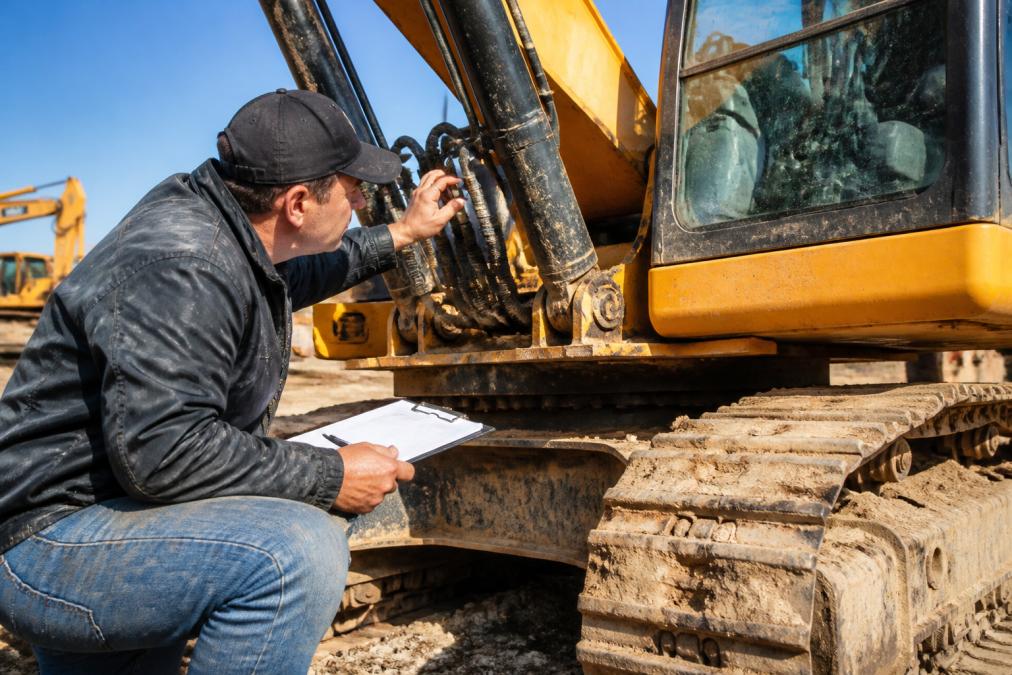
Start with a visual walkthrough. Check for rust, corrosion, or water damage signs. Examine the undercarriage and hydraulic systems for leaks, dark stains under hoses or cylinders indicate seal problems.
Fire up the engine and listen. Unusual noises, knocking, grinding, or rattling suggest internal problems. Let it idle for 5-10 minutes and watch gauges. Oil pressure, coolant temperature, and battery voltage should stabilize in normal ranges.
Test all hydraulic functions. Raise and lower the boom, extend and retract the bucket or blade, and rotate the cab. Movement should be smooth without jerking, hesitation, or pressure loss. Check cab condition, seat wear, instrument cluster function, and control responsiveness.
Verifying Serial Numbers and Maintenance History
Cross-check the VIN or serial number on three places: the title, the equipment's nameplate, and the manufacturer's database. Mismatches are immediate deal-killers. Most manufacturers maintain online databases where you can verify production year and original specifications.
Request the complete maintenance log. A well-maintained machine has documented oil changes, hydraulic fluid changes, filter replacements, and major repairs. Contact the previous owner if possible to ask about actual operating conditions and recurring problems.
Financing, Shipping, and Logistics for Heavy Machinery
Buying equipment is only half the challenge. Financing, transport, and title transfer require planning and can add significant costs if mishandled.
Equipment Financing and Buyer Credit Requirements
Most heavy equipment purchases require financing. Banks and specialized equipment lenders typically require 15-25% down payment, with loan terms ranging from 3-7 years (sba.gov). Pre-qualification before shopping strengthens your negotiating position and lets you move quickly on good deals.
Consider total cost of ownership beyond purchase price. Factor in financing costs, insurance, maintenance, fuel, and storage. A slightly more expensive machine with better maintenance history and lower operating hours often costs less over its useful life.
Freight Shipping and Transport Logistics
Shipping heavy equipment requires specialized carriers and proper equipment. Budget for professional transportation rather than DIY transport, equipment damage during transit can exceed moving savings. Get shipping quotes before finalizing purchase, as transport costs can add to equipment price depending on distance and type.
Verify that the carrier has proper insurance and bonding.
Title Transfer and Bill of Sale Documentation
Ensure the seller provides clear title with no liens or outstanding loans. Request a title search before purchase to confirm ownership. Use a bill of sale documenting equipment description, purchase price, condition, and any warranties. Both parties should sign and retain copies.
Register the equipment in your name with your state's department of motor vehicles. This protects your ownership and is required for insurance and financing.
Which Marketplace Is Right for You?
Choosing the best marketplace depends on your specific needs, timeline, and buying style.
For Small Contractors and Independent Buyers
Small contractors typically benefit most from fixed-price marketplaces like EquipMarket. The direct negotiation model, verified seller network, and value estimator tool reduce risk and give you control. You can take time to evaluate options, arrange inspections on your schedule, and walk away if something doesn't check out.
Avoid auction-only platforms if buying a single piece of equipment. Auction premiums and competitive bidding pressure work against small buyers.
For Large Fleet Operators and Equipment Managers
Large operators benefit from auction platforms like Ritchie Bros. and AuctionTime.com because volume purchasing gives you negotiating leverage and access to bulk inventory. The auction format moves equipment quickly, critical when managing large fleets with rapid turnover.
For selling surplus equipment, unreserved auctions guarantee a sale and clear inventory quickly, critical for managing cash flow and storage costs.
For Sellers Looking to Move Inventory Quickly
Auction houses guarantee sales with no reserve price risk. If you need to liquidate equipment fast, Ritchie Bros. or Purple Wave move inventory within days. EquipMarket offers free listings, and a commission-based pricing model for managed sales, meaning you only pay when equipment sells.
Timing matters. Spring and early summer typically bring higher prices than winter months.
| Marketplace | Format | Best For | Key Advantage |
|---|---|---|---|
| EquipMarket | Fixed-price with direct negotiation | Small contractors, independent buyers | Verified sellers, direct control, no premiums |
| Ritchie Bros. | Unreserved auction | Large fleet operators, sellers | Guaranteed sales, competitive pricing, professional |
| AuctionTime.com | Weekly online auction | Budget-conscious buyers | Frequent auctions, competitive bidding, deal flow |
| MyLittleSalesman.com | Fixed-price listings | Mid-size contractors | User-friendly interface, integrated services |
| Mascus | International fixed-price | International buyers, specialized equipment | Global reach, diverse inventory |
| Purple Wave | Online unreserved auction | Online bidders, detailed documentation | Transparent process, no in-person travel |
Conclusion
The best marketplace for construction equipment depends on whether you prioritize control, speed, or inventory access. For most small-to-mid-size contractors, EquipMarket's direct negotiation model with verified sellers and advanced search filters delivers the best combination of fair pricing, transparency, and deal flexibility. The value estimator tool helps you understand fair market value before negotiating, and the ability to arrange inspections on your schedule reduces risk.
Join thousands of sellers and buyers who use EquipMarket to find exactly what they need for their next project. Start selling today with free listings and no upfront costs, or browse verified equipment from sellers across the country. Contact sellers directly through secure inquiry forms and arrange inspections, transport, and payment entirely on your terms.
=== FAQ ANSWERS (audit these too, same rules) ===
[1] Q: How do I know if a seller on a construction equipment marketplace is legitimate? A: Look for verified seller badges, check their listing history, and review feedback from past buyers. Request an equipment condition report, photos from multiple angles, and the serial number. Ask for references from previous purchases. Reputable marketplaces like EquipMarket vet sellers before listing. Always arrange an in-person or third-party inspection before committing to a purchase, and use secure payment methods that offer buyer protection.
[2] Q: What's the difference between heavy equipment auctions and fixed-price marketplaces? A: Auction platforms like Ritchie Bros. and Purple Wave require competitive bidding, which can drive prices down but creates uncertainty about final cost. Fixed-price marketplaces like EquipMarket let you negotiate directly with sellers and walk away if the deal doesn't work. Auctions move fast and guarantee a sale, while fixed-price listings offer more time to inspect and negotiate terms. Choose auctions for speed; choose fixed-price for control and flexibility.
[3] Q: What should I look for when inspecting used heavy machinery? A: Check operating hours against the equipment's age, inspect hydraulic systems for leaks, examine the undercarriage for cracks or wear, and verify the serial number matches documentation. Request a full equipment condition report detailing maintenance history. Look for signs of rust, corrosion, or previous repairs. Test all attachments and controls if possible. Ask for service records and any warranty information. Never skip an in-person inspection; photos and descriptions can be misleading.
[4] Q: How much does it cost to list or sell equipment on these marketplaces? A: Costs vary by platform. EquipMarket offers free listings, and a commission-based pricing model for managed sales (typically 6-10%). Auction sites charge buyer's premiums (added to winning bids) and seller fees. Fixed-price marketplaces may charge subscription or listing fees. Contact each platform directly for current pricing, as fees and structures change. Factor total costs into your decision, not just the listing fee.
[5] Q: What's the best way to handle shipping and logistics for heavy equipment? A: Most marketplaces connect you with freight companies or logistics partners. Get multiple shipping quotes before committing. Clarify who pays for transport (buyer or seller) in your agreement. Ensure equipment is properly secured and insured during transit. Verify that the carrier has experience with heavy machinery and appropriate licensing. Request tracking and delivery confirmation. Include shipping terms in your bill of sale to avoid disputes.
Frequently Asked Questions
How do I know if a seller on a construction equipment marketplace is legitimate?
Look for verified seller badges, check their listing history, and review feedback from past buyers. Request an equipment condition report, photos from multiple angles, and the serial number. Ask for references from previous purchases. Reputable marketplaces like EquipMarket vet sellers before listing. Always arrange an in-person or third-party inspection before committing to a purchase, and use secure payment methods that offer buyer protection.
What's the difference between heavy equipment auctions and fixed-price marketplaces?
Auction platforms like Ritchie Bros. and Purple Wave require competitive bidding, which can drive prices down but creates uncertainty about final cost. Fixed-price marketplaces like EquipMarket let you negotiate directly with sellers and walk away if the deal doesn't work. Auctions move fast and guarantee a sale, while fixed-price listings offer more time to inspect and negotiate terms. Choose auctions for speed; choose fixed-price for control and flexibility.
What should I look for when inspecting used heavy machinery?
Check operating hours against the equipment's age, inspect hydraulic systems for leaks, examine the undercarriage for cracks or wear, and verify the serial number matches documentation. Request a full equipment condition report detailing maintenance history. Look for signs of rust, corrosion, or previous repairs. Test all attachments and controls if possible. Ask for service records and any warranty information. Never skip an in-person inspection; photos and descriptions can be misleading.
How much does it cost to list or sell equipment on these marketplaces?
Costs vary by platform. EquipMarket offers free listings, and a commission-based pricing model for managed sales (typically 6-10%). Auction sites charge buyer's premiums (added to winning bids) and seller fees. Fixed-price marketplaces may charge subscription or listing fees. Contact each platform directly for current pricing, as fees and structures change. Factor total costs into your decision, not just the listing fee.
What's the best way to handle shipping and logistics for heavy equipment?
Most marketplaces connect you with freight companies or logistics partners. Get multiple shipping quotes before committing. Clarify who pays for transport (buyer or seller) in your agreement. Ensure equipment is properly secured and insured during transit. Verify that the carrier has experience with heavy machinery and appropriate licensing. Request tracking and delivery confirmation. Include shipping terms in your bill of sale to avoid disputes.