 listicle
Buy Used Cranes from Verified Sellers: 2026 Guide
Table of Contents
- Where to Buy Used Cranes from Verified Sellers
- Used Crane Inspection Checklist Before You Commit
- OSHA Crane Safety Standards Every Buyer Should Know
- Heavy Equipment Financing Options for Used Cranes
- Total Cost of Ownership: What the Sticker Price Doesn't Tell You
- Scam Avoidance When Buying Used Cranes in Private Sales
- How to Choose the Right Platform for Your Next Crane Purchase
- Frequently Asked Questions
Last Updated: August 14, 2026
Where to Buy Used Cranes from Verified Sellers
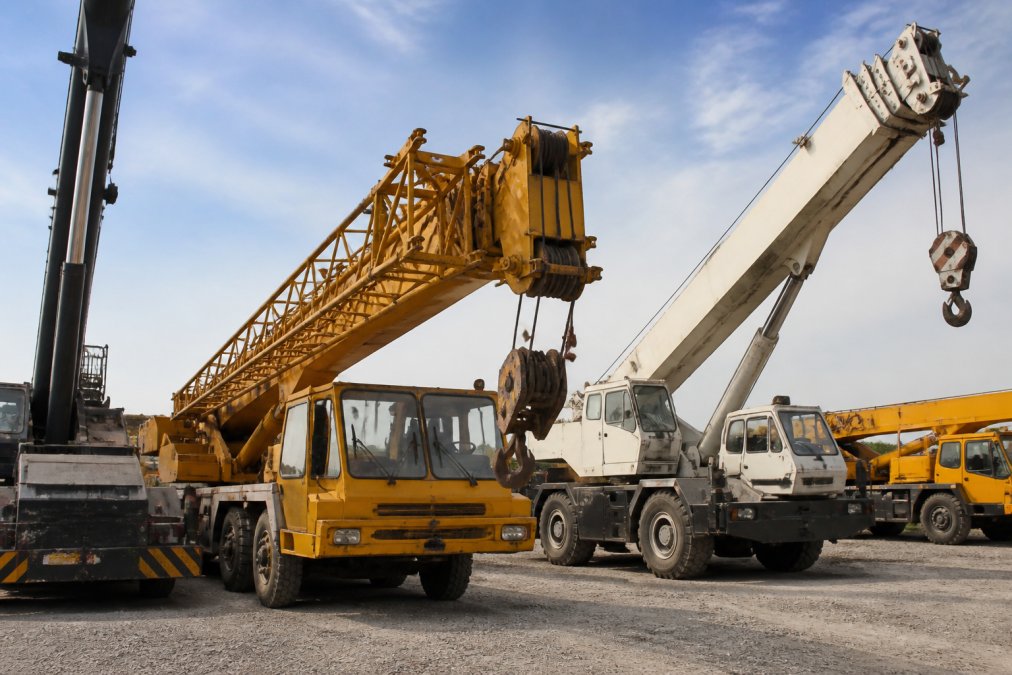
Used cranes represent one of the most significant capital purchases a construction firm will make. The platform you choose shapes inspection access, financing terms, and your exposure to fraud. The used crane market splits into four source types: dedicated crane marketplaces, general heavy equipment platforms, dealer direct sales, and auction houses. Each carries different risk profiles, inventory depth, and verification standards.
| Source Type | Best For | Verification Level | Price Transparency |
|---|---|---|---|
| Dedicated crane marketplace | Specialized crane types, large selection | Varies by platform | Listing-dependent |
| General heavy equipment platform | Cross-category procurement | Varies widely | Often upfront |
| Authorized dealer direct | Well-maintained fleet units, OEM support | High | Quote-based |
| Auction house | Competitive pricing, volume buying | Moderate | Bidding-driven |
Dedicated Crane Marketplaces vs. General Heavy Equipment Platforms
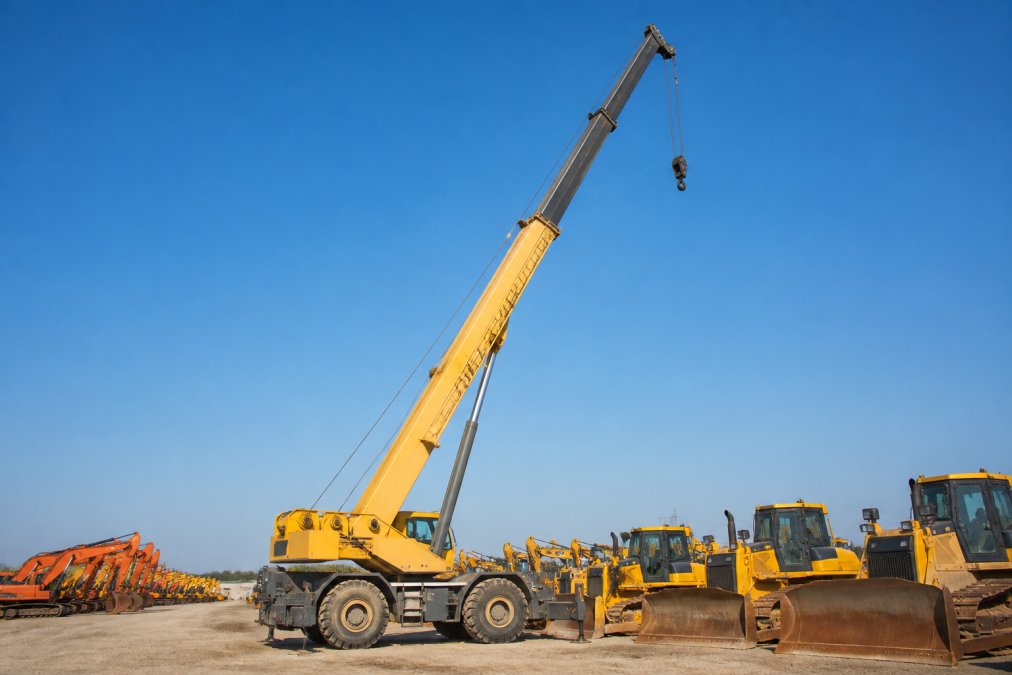
Dedicated crane platforms organize inventory around crane-specific classifications: rough terrain, all-terrain, crawler, tower, and boom truck. Filtering by operating weight, boom configuration, and model year is far more granular on specialized platforms than on general heavy equipment sites.
General heavy equipment platforms offer cross-category procurement. If you're sourcing cranes alongside excavators and dozers for a single project, consolidating your search on one platform saves time and simplifies vendor management. EquipMarket covers cranes, excavators, dozers, and other construction machinery with advanced search filters and verified sellers, allowing direct negotiation through secure inquiry forms and independent inspections.
Auction Platforms vs. Direct Dealer Listings
Auction platforms offer competitive pricing and broad inventory, but most equipment sells as-is without pre-bid inspection access. Dealer direct listings, particularly from authorized dealers sourcing maintained rental fleets, provide documented maintenance history, OEM parts access, and straightforward inspection. Use auctions when you have time to inspect before bidding; use dealer direct when project timeline is tight and downtime risk is expensive.
Used Crane Inspection Checklist Before You Commit
A used crane inspection checklist covers structural integrity, undercarriage condition, hydraulic system health, engine hours, and service record completeness. Arrange a third-party inspection before committing to any private sale or auction unit.
Structural and Undercarriage Condition
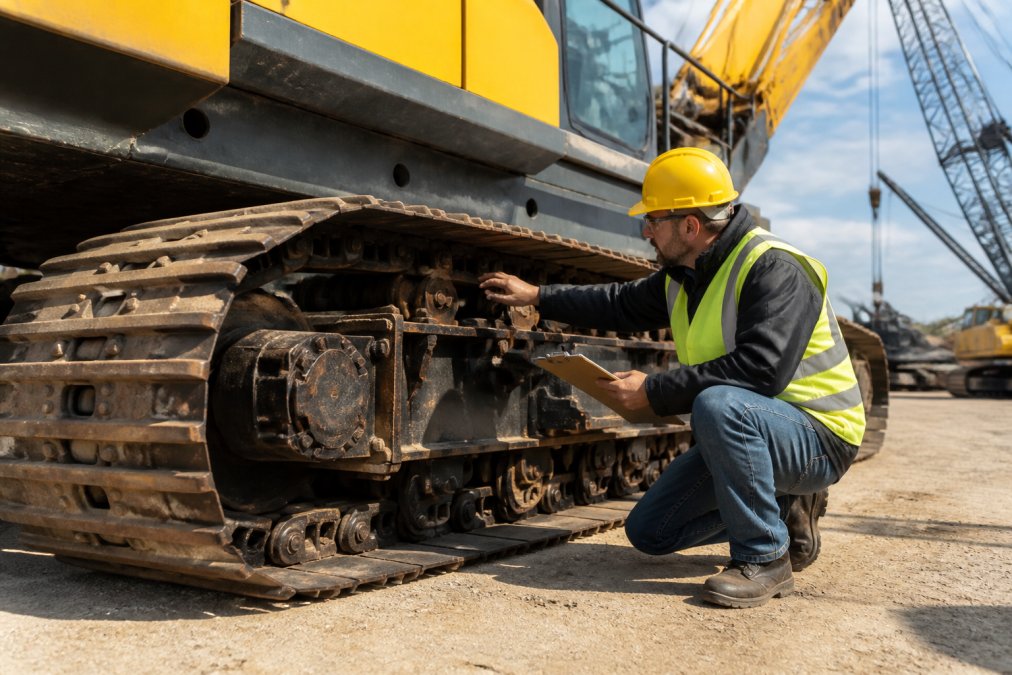
The undercarriage on a crawler crane is the single most expensive component to repair or replace. Track wear, roller condition, and sprocket engagement should be evaluated against manufacturer wear limits. Structural inspection covers boom sections, main frame welds, and slewing ring, with specific attention to cracks or repairs at stress concentration points, corrosion at pin connections, and evidence of prior impact damage.
Hydraulic System, Engine Hours, and Service Records
Engine hours tell an incomplete story without service records. A crane with 8,000 hours and complete service records is a better buy than one with 4,000 hours and no documentation. For the hydraulic system, request a full pressure and flow test to identify cylinder drift, slow response, or seal weeping.
Pre-purchase inspection checklist:
- Confirm serial number matches all documentation
- Review complete service records and maintenance logs
- Verify engine hours against wear patterns on cab controls and seat
- Conduct hydraulic pressure and flow test under load
- Inspect undercarriage: tracks, rollers, sprockets, and idlers
- Check boom sections for cracks, repairs, and corrosion
- Test all outrigger functions and load management systems
- Confirm emissions standards compliance for your operating jurisdiction
- Review any outstanding recalls or service bulletins for the model
- Request equipment appraisal from a certified inspector
OSHA Crane Safety Standards Every Buyer Should Know
OSHA crane safety standards govern the operation, inspection, and certification requirements for cranes used in construction. The primary standard is OSHA 29 CFR 1926 Subpart CC, which covers cranes and derricks in construction.
Key compliance requirements affecting purchasing decisions include:
Annual inspections: All cranes used in construction must undergo documented annual inspections by a qualified person. If the seller cannot provide inspection records, budget for a full compliance inspection before the crane enters service.
Operator certification: Operators must be certified by an accredited testing organization or licensed by a state or local government.
Assembly and disassembly procedures: OSHA requires that assembly and disassembly follow manufacturer procedures. Confirm that manufacturer documentation is included with the sale.
Load charts and capacity placards: These must be present in the cab and legible. Missing or damaged load charts are a compliance deficiency that must be corrected before the crane operates.
A crane that passes mechanical inspection but lacks current annual inspection documentation or has outstanding OSHA citations creates liability before the first lift.
Heavy Equipment Financing Options for Used Cranes
Heavy equipment financing options for used cranes typically fall into four categories: equipment loans, equipment leases, operating lines of credit, and manufacturer or dealer financing programs. The right structure depends on your intended use duration, tax position, and cash flow requirements.
According to the Equipment Leasing and Finance Association's industry overview, equipment financing is one of the primary methods construction firms use to acquire capital assets without depleting working capital.
Equipment loans give you ownership from day one and allow depreciation to flow through your books. Equipment leases preserve cash flow and can offer tax advantages. Operating lines of credit work for buyers who need to move quickly at auction. Dealer financing programs sometimes offer competitive terms through established lender relationships.
Lenders will require an equipment appraisal on used cranes above a certain value threshold. Engine hours, model year, and documented service records directly affect the appraised value and the loan-to-value ratio the lender will extend.
Total Cost of Ownership: What the Sticker Price Doesn't Tell You
The purchase price of a used crane is typically the smallest number in the total cost of ownership calculation over a five-year horizon. TCO includes: purchase price, transportation and rigging, annual inspection and certification costs, preventative maintenance, unplanned repairs, operator certification, insurance, and eventual resale or disposal value.
A crane purchased at a low price but with deferred maintenance, high engine hours, and no service records will depreciate faster and generate higher repair costs than a well-documented unit purchased at a premium. Transportation deserves specific attention, as machinery logistics for large cranes can add meaningfully to total acquisition cost.
As documented in the Association of Equipment Management Professionals' guidance on equipment lifecycle costing, total lifecycle cost analysis is the industry-standard framework for evaluating heavy equipment acquisitions.
Scam Avoidance When Buying Used Cranes in Private Sales
Private party listings for used cranes carry different risk profiles than dealer transactions or auction purchases. Equipment can be misrepresented, documentation can be falsified, and payment fraud is a real exposure.
Red Flags in Private Party Listings
Most crane scams follow recognizable patterns: listing price significantly below market, seller unavailable for in-person inspection, low-resolution photos obscuring undercarriage or boom condition, seller claims to be out of state and offers to ship after payment, or payment is requested via wire transfer to a personal account. Regional sourcing, where you can physically inspect the machine before committing, reduces fraud exposure significantly.
Serial Number Verification and Documentation to Request
Serial number verification is non-negotiable on any used crane purchase. The serial number should appear on the machine's data plate, match all title documents, and be verifiable against the manufacturer's records. A mismatch is a hard stop.
Documentation to request before any payment commitment:
- Original title or certificate of origin
- Complete service and maintenance records
- Current annual inspection report signed by a qualified person
- Any OSHA compliance documentation or citations
- Lien search confirmation
- Equipment appraisal from a certified third party
- Manufacturer documentation including load charts and operator manuals
According to the National Equipment Register's guidance on equipment theft and fraud prevention, verifying serial numbers against theft databases is a standard step many private buyers skip. A crane with a clear serial number history and no lien encumbrances is fundamentally different from one with unresolved title issues.
How to Choose the Right Platform for Your Next Crane Purchase
The right platform depends on three variables: your timeline, your tolerance for mechanical risk, and the specificity of your equipment requirement.
If you need a specific crane type, model year, and configuration, a dedicated marketplace with advanced search filters gives you the fastest path to a qualified shortlist. If you're flexible on model but need to move quickly, auction platforms offer volume and speed at the cost of as-is risk. If you need documented maintenance history and OEM support access, authorized dealer direct is worth the premium.
For construction firms sourcing multiple equipment types simultaneously, a platform covering cranes alongside excavators, dozers, and other earthmoving machinery eliminates coordination overhead. EquipMarket's verified seller network and direct negotiation tools connect buyers with sellers across the full range of heavy construction equipment.
Answer these questions before you start searching:
- What crane type, capacity class, and boom configuration does the project require?
- What is the maximum acceptable engine hours for your maintenance budget?
- Do you need the crane operational immediately, or do you have time for inspection and servicing?
- Is regional sourcing preferable to minimize transport cost and inspection logistics?
- What financing structure aligns with your current balance sheet position?
| Platform Type | Timeline | Risk Level | Best Use Case |
|---|---|---|---|
| Verified marketplace (e.g., EquipMarket) | Flexible | Low-Medium | Multi-equipment procurement, verified sellers |
| Auction house | Fast | Medium-High | Competitive pricing, volume buying |
| Authorized dealer direct | Moderate | Low | Documented history, OEM support needed |
| Private party listing | Variable | High | Lowest price, highest due diligence burden |
The crane market rewards buyers who do the work before they commit. Verification, inspection, TCO analysis, and platform selection are not bureaucratic steps. They are the difference between a crane that earns its keep for a decade and one that costs more in downtime and repairs than you saved on the purchase price.
Frequently Asked Questions
What should I inspect before buying a used crane?
Before buying a used crane, examine the structural frame and boom for cracks, corrosion, or weld repairs. Check the undercarriage condition, hydraulic system for leaks, and verify engine hours against service records. Request the full maintenance history and any equipment appraisal reports. Confirm the serial number matches the title. For crawler cranes and rough-terrain models, pay close attention to track wear and the quick coupler or attachment condition, as replacements add significant cost.
Are there financing options available for used crane purchases?
Yes. Heavy equipment financing options include equipment loans through banks or credit unions, manufacturer-affiliated lenders, and independent equipment finance companies. Terms typically range from 24 to 84 months depending on the machine's age, operating weight, and your credit profile. Some dealers offer in-house financing, while auction platforms may partner with third-party lenders. Getting pre-approved before you shop gives you a clear budget and strengthens your negotiating position with sellers.
How can I verify a used crane seller's reputation?
Start by checking whether the seller is listed as a verified dealer on the platform. Request references from past buyers and look for a physical business address you can confirm. Ask for the crane's full service records, original purchase documentation, and a current equipment appraisal. On marketplaces like EquipMarket, verified sellers have been vetted before listing, which reduces the risk of fraudulent listings. Always insist on an independent third-party inspection before finalizing payment.
What documentation should I request when buying a used crane?
Request the certificate of title, serial number documentation, full service records and maintenance logs, any prior equipment appraisal reports, load test certifications, and OSHA-required inspection records. For cranes that have been modified or had major repairs, ask for engineering sign-off on those changes. If the crane has attachments, confirm they are included in the title or have separate documentation. Missing records are a negotiating point and a risk signal.
What are the risks of buying used heavy equipment online?
The main risks include inaccurate listings with misleading photos or inflated specs, unverified sellers running deposit scams, and hidden mechanical problems not disclosed upfront. Buying through platforms with verified sellers and secure inquiry processes reduces these risks significantly. Always arrange an independent inspection before payment, confirm the serial number against national databases, and avoid any seller who refuses a physical inspection or pushes for wire transfers outside the platform.
Buying used cranes without a structured procurement process is where capital goes to disappear. EquipMarket connects buyers with verified sellers across the full range of heavy construction machinery, with advanced search filters, a value estimator tool, and direct negotiation through secure inquiry forms. Arrange inspections and manage transactions on your own terms. Start searching EquipMarket's verified inventory today.