 how-to
Depreciation Rates for Used Construction Equipment
Last Updated: October 22, 2026
Quick Summary
Depreciation rates for used construction equipment measure how much value a machine loses each year, and that number decides your down payment, loan terms, and resale value. Calculate them by subtracting salvage value from purchase price, then spreading the difference across the years you own the machine.
- Three inputs drive every depreciation method: cost, salvage value, and useful life.
- Straight-line depreciation spreads the loss evenly and is the easiest to explain to a lender.
- Declining balance and MACRS front-load expenses for tax planning, not resale value estimates.
- Units of production ties expense to hours logged and needs accurate hour meter records.
- Lenders size loans and terms on depreciation, so bring hour logs, service records, and recent comps.
Table of Contents
- Why Depreciation Rates Matter When You Finance Used Equipment
- How to Calculate Equipment Depreciation Step by Step
- Construction Equipment Depreciation Methods Compared
- Factors That Move Depreciation Rates Up or Down
- How Operating Hours and Condition Affect Used Heavy Equipment Resale Value
- Using an Equipment Depreciation Calculator Without Getting Burned
- How Lenders Read Depreciation When You Finance a Used Machine
- Frequently Asked Questions
Why Depreciation Rates Matter When You Finance Used Equipment
Depreciation rates for used construction equipment measure how much value a machine loses each year. That number decides your down payment, your loan terms, and what the machine is worth when you sell it.
Here's the part most guides skip. Lenders don't price a used excavator on what it cost new. They price it on what it will be worth at the end of your term. If you can't estimate that, you can't judge whether a quote is fair.
We'll show you how to run the math yourself, which method fits which machine, and where the numbers go wrong.
How to Calculate Equipment Depreciation Step by Step
Equipment depreciation is the drop in a machine's value over time, and you calculate it by subtracting salvage value from purchase price, then spreading the difference across the years you own it. Three inputs drive every method: cost, salvage value, and useful life.
Here's a sequence to use on any used machine:
- Write down the purchase price. What you actually pay, not the asking price.
- Estimate salvage value. What the machine will fetch at trade-in or resale.
- Set a useful life. How many years or hours you'll run it.
- Pick a method. Straight-line, declining balance, or units of production.
- Run the numbers annually. Recheck against real market listings.
The IRS instructions for depreciation and the Modified Accelerated Cost Recovery System explain how the tax side works. Your book numbers and tax numbers can differ, and that's normal.
Construction Equipment Depreciation Methods Compared
Construction equipment depreciation methods fall into three families, and the right one depends on how you use the machine. Here's how they stack up:
| Method | How It Works | Best For | Watch Out For |
|---|---|---|---|
| Straight-line | Equal expense every year | Stable, long-life machines | Ignores heavy early wear |
| Declining balance | Bigger write-offs early | Machines that lose value fast | Never fully reaches salvage |
| MACRS | Set federal schedule by class | Tax planning | Not a resale value guide |
| Units of production | Expense tied to hours run | High-hour machines | Needs reliable hour logs |
Straight-Line: The Simple Baseline
Straight-line depreciation spreads the loss evenly. Take cost minus salvage, divide by useful life, and you have your annual figure. A machine bought at a mid-range price with a modest salvage value over a set number of years produces a predictable yearly number.
This method works well for dozers and loaders that hold value steadily. It's the easiest to explain to a lender, too.
Declining Balance and MACRS: Faster Write-Offs
Declining balance applies a fixed percentage to the remaining book value each year, so the biggest hits land early. MACRS is the federal tax schedule that assigns recovery periods by asset class. Both front-load the expense.
Use these for tax planning, not for guessing resale value. A machine can be nearly written off on paper and still sell for real money.
Units of Production: Tying Depreciation to Hours Worked
Units of production ties expense to actual use. You set a depreciation rate per hour, then multiply by hours logged. A machine that runs hard depreciates faster, which matches reality on site.
The catch is discipline. Without accurate hour meter records, this method falls apart.
Factors That Move Depreciation Rates Up or Down
Five factors push depreciation rates in one direction or the other, and most buyers only think about the first one. Age matters, but it's rarely the deciding factor.
- Operating hours. Low-hour machines hold value far better than high-hour ones.
- Condition and maintenance records. A documented service history is worth real money.
- Brand and parts availability. Machines with easy parts access resell faster.
- Attachments and configuration. A well-spec'd machine attracts more buyers.
- Market demand in your region. Local project activity moves prices.
A common mistake is assuming a newer machine always depreciates slower. A three-year-old unit with poor records can lose value faster than a well-kept older one.
How Operating Hours and Condition Affect Used Heavy Equipment Resale Value
Used heavy equipment resale value tracks two things above all: hours on the meter and proof of care. A machine with clean service records and moderate hours will outsell a similar unit with a blank maintenance file, even at the same age.
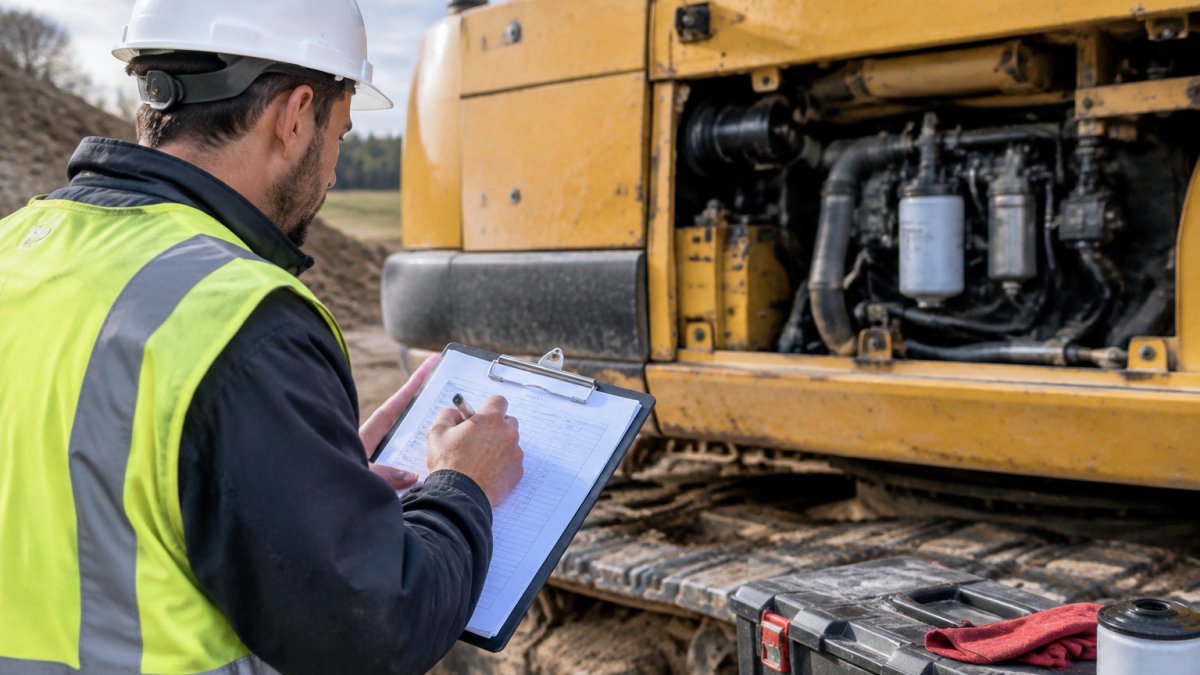
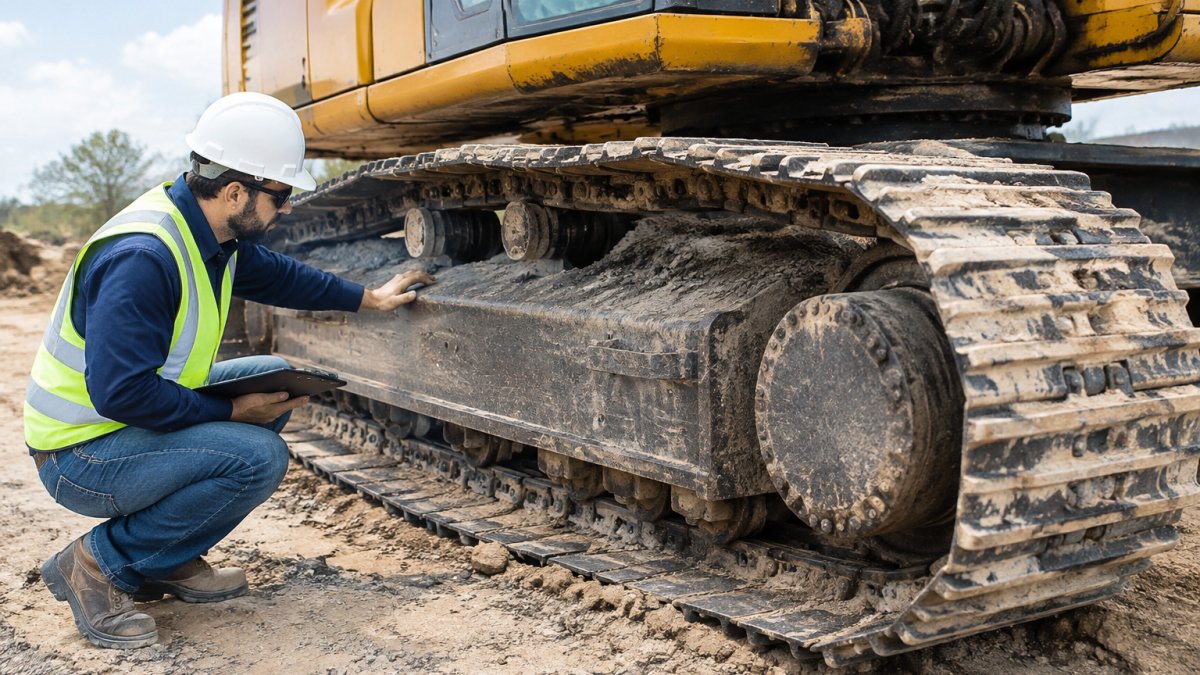
Undercarriage wear, hydraulic leaks, and tire or track condition are the first things a buyer checks. Each one gives you negotiating room. Fix the cheap items before you list, and document everything you don't fix.
Using an Equipment Depreciation Calculator Without Getting Burned
An equipment depreciation calculator is a tool that applies a depreciation method to your inputs and returns annual and cumulative loss figures. It's only as good as the numbers you feed it.
Most calculators ask for cost, salvage value, and life. Few ask the question that matters most: what are comparable machines actually selling for right now? Pull recent sold listings for your model and region, then sanity-check the calculator's output against them.
How Lenders Read Depreciation When You Finance a Used Machine
Lenders look at depreciation to size the loan and set the term. A machine that holds value supports a longer term and a smaller down payment. A fast-depreciating unit gets a shorter leash.
This is where a marketplace approach helps. Equipment Finance Academy provides Quick Equipment Financing, connecting buyers with the nation's top equipment lenders and a tech-powered financing marketplace. Approvals are in hours, and funding is same-day.
The practical move: bring your hour logs, service records, and recent comps to the application. Lenders respond to documentation.
Frequently Asked Questions
What is the depreciation rate for used construction equipment?
There is no single rate. Depreciation rates for used construction equipment depend on the machine type, age, operating hours, condition, and the method you use. A common planning assumption is that equipment loses a meaningful share of value in the first few years and then flattens out, but excavators, dozers, and skid steers all behave differently. For tax purposes, the IRS assigns recovery periods under MACRS, so check the current IRS rules or ask a tax professional rather than relying on a rule of thumb.
How do you calculate depreciation on used heavy equipment?
Start with the purchase price, subtract the estimated salvage value at the end of its useful life, and divide by the number of years you expect to use it. That gives you straight-line depreciation. For a faster write-off, use an accelerated method such as declining balance. If you want usage-based accuracy, divide the depreciable base by expected lifetime hours and multiply by hours logged each year. Record the hours, service history, and any major repairs, because those details support your numbers.
Is book depreciation the same as market value depreciation?
No. Book depreciation is an accounting entry based on a chosen method and useful life. Market value depreciation reflects what a buyer will actually pay today, which responds to demand, regional inventory, emissions standards, and condition. A machine can be nearly fully depreciated on your books and still sell for a solid price, or the reverse. When you finance or resell, market value is the number that matters, so pull recent comparable sales rather than relying on the book figure.
How much value does construction equipment lose each year?
Losses are steepest in the first years and ease as the machine ages. High-hour machines and models facing tighter emissions rules lose value faster, while well-maintained late-model units hold up better. Rather than apply a flat percentage, build a small table of comparable sales in your region for the same make, model, and hour range. That gives you a defensible annual figure and helps you decide whether to buy, lease, or hold before financing.
Financing a used machine gets easier when you know what it's worth today and what it will be worth in five years. Equipment Finance Academy gives you access to a network of lenders who finance construction equipment, with fast approvals and same-day funding. Start your application, compare offers, and get the machine on site. Start Selling Today.