 how-to
Equipment Financing for New Businesses: A Startup Guide
Table of Contents
- What Equipment Financing Is and Why New Businesses Need It
- Equipment Loan Requirements for Startups
- Equipment Financing with No Business Credit
- Equipment Financing Application Documents You'll Need
- Equipment Loan vs. Equipment Lease: Which Fits Your Startup
- How Lenders Evaluate Startup Equipment Financing Applications
- Equipment Financing Costs: Interest Rates, Fees, and Total Repayment
- Alternatives When Equipment Financing Is Unavailable
- Frequently Asked Questions
Last Updated: October 17, 2026
What Equipment Financing Is and Why New Businesses Need It
Equipment financing for new businesses is a loan or lease arrangement that allows startups to acquire necessary machinery, vehicles, technology, or other tangible assets without paying the full cost upfront.
New businesses face a critical challenge: they need operational equipment to generate revenue, but they lack the cash flow and credit history that traditional lenders require. Equipment financing solves this problem by using the equipment itself as collateral.
The real advantage isn't just access to capital, it's preservation of working capital. When you finance equipment, you conserve cash for payroll, inventory, marketing, and other operational needs. This distinction matters enormously for new businesses operating on thin margins during their first year.
Equipment financing for new businesses comes in two primary forms: loans (where you own the equipment outright after repayment) and leases (where you use the equipment for a fixed term and return it). Both serve different business models, and we'll explore which fits your startup's situation later in this guide.
Equipment Loan Requirements for Startups
Credit History and Financial Standing
Most traditional lenders require a minimum personal credit score of 650-680 to qualify for equipment financing. However, startups often face a catch-22: they have limited business credit history, so lenders evaluate your personal credit score heavily. If your personal credit is below 650, you'll face higher interest rates or require a co-signer with stronger credit.
Beyond credit scores, lenders examine your debt-to-income ratio and existing personal liabilities. If you're carrying substantial personal debt, credit cards, student loans, mortgage, a lender may view you as higher risk. This doesn't automatically disqualify you, but it typically results in a smaller approved loan amount or higher interest rate.
The good news: equipment financing lenders are more forgiving of lower credit scores than traditional banks. Specialized equipment finance companies understand that startups are building credit from scratch. Many will approve applicants with scores as low as 600 if other factors align, such as a substantial down payment or strong business plan.
Time in Business and Revenue Thresholds
Most lenders require your business to have been operating for at least 3-6 months before approving equipment financing. Some will finance startups with zero operating history if you meet other criteria, but this is the exception rather than the rule.
Revenue requirements vary significantly by lender. Traditional banks typically require a minimum of $50,000-$100,000 in annual revenue. Specialized equipment finance companies are more flexible and may approve startups with lower revenue projections if your business plan is compelling and you have personal financial strength.
The critical insight: time in business matters less than demonstrating a viable business model. A 2-month-old construction company with $40,000 in signed contracts may qualify, while a 12-month-old service business with no growth trajectory may not. Lenders evaluate the trajectory and stability of your revenue, not just the current amount.
Equipment Financing with No Business Credit
Starting a business means you have zero business credit history. This is actually less problematic than many entrepreneurs assume. Equipment financing lenders don't rely solely on business credit scores because those don't exist yet for new companies.
Instead, lenders evaluate your personal credit history, personal financial statements, and business fundamentals. Your personal credit score becomes the primary metric. If you have a solid personal credit history, even if you've never borrowed for business purposes, you're in a stronger position than someone with poor personal credit.
Many lenders offer equipment financing for new businesses specifically designed for startups without business credit. These programs typically require a larger down payment (15-25% instead of 10%) and may carry higher interest rates, but approval is achievable. The key is demonstrating that you understand your market, have a realistic business plan, and possess the personal financial stability to manage repayment.
Building business credit happens simultaneously with your equipment financing. Each on-time payment strengthens your business credit profile, making future financing easier and cheaper.
Equipment Financing Application Documents You'll Need
Personal and Business Financial Records
Prepare your personal financial statement, which lists your personal assets, liabilities, and net worth. Lenders use this to assess your ability to personally guarantee the loan if your business falters. Include bank statements from the past 2-3 months showing cash reserves.
Your personal tax returns for the past 2 years demonstrate income stability and credibility. If you're a new business owner, lenders will review your employment history and income before you started the business.
For business records, compile your business plan (3-5 pages outlining your market, competitive advantage, and financial projections), profit-and-loss statements or income projections for at least the first year, and a balance sheet showing business assets and liabilities. If you've been operating for more than 3 months, provide actual financial statements rather than projections.
Equipment Details and Business Plan Documentation
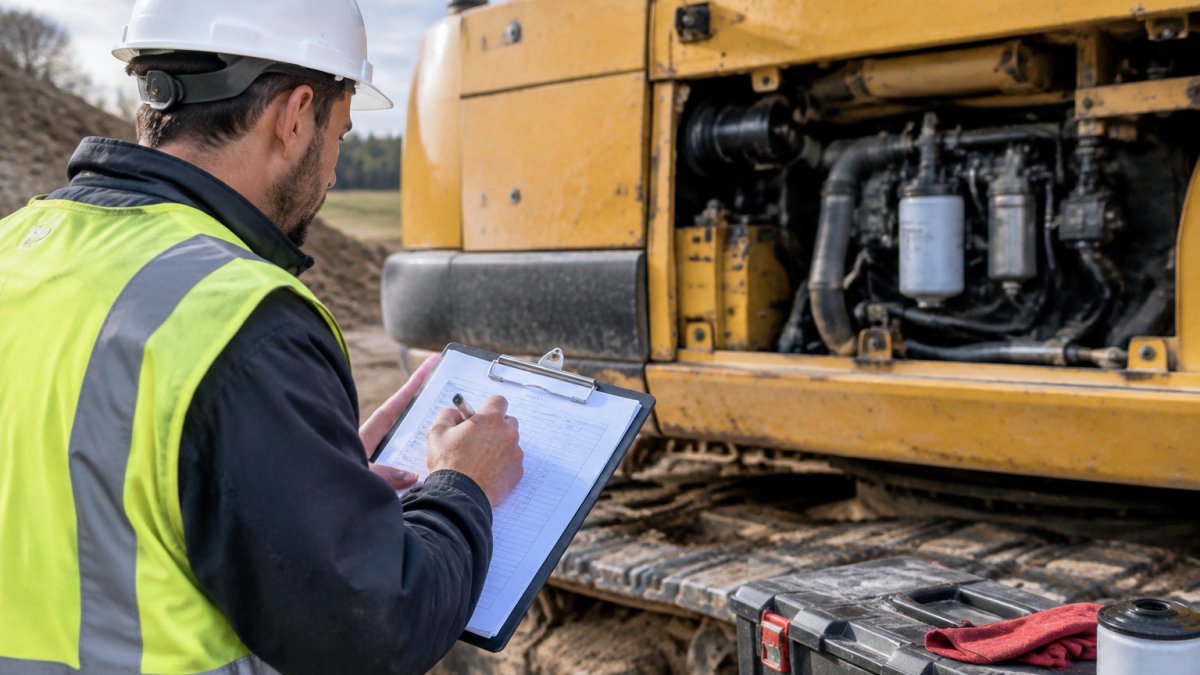
Document exactly what equipment you're financing: make, model, year, condition (new or used), and purchase price. Lenders verify that the equipment's cost aligns with its market value and useful life. You'll need quotes from equipment vendors or proof of the purchase price.
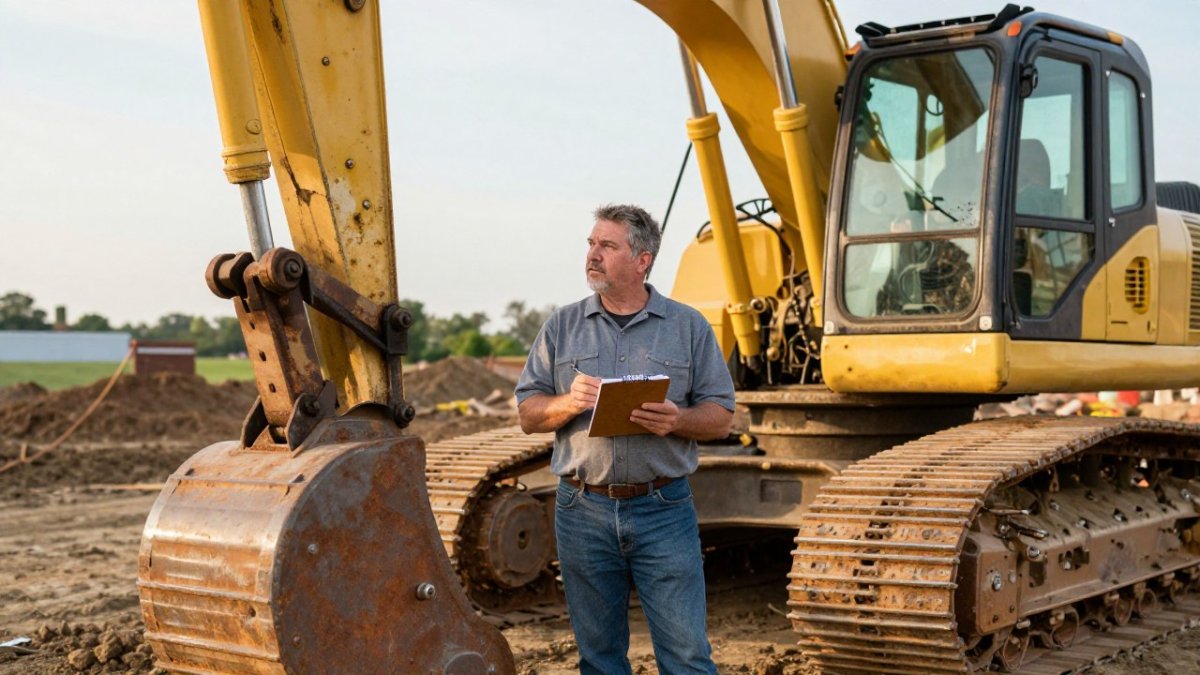
Include a detailed explanation of how this equipment directly supports revenue generation. A construction company financing an excavator can show how it enables specific projects. A medical practice financing diagnostic equipment can demonstrate patient volume projections. Vague statements like "we need equipment to grow" won't suffice.
Lenders also request references from your industry or suppliers who can vouch for your business legitimacy and operational understanding. A vendor reference or supplier account in good standing strengthens your application considerably.
Equipment Loan vs. Equipment Lease: Which Fits Your Startup
Ownership, Tax Benefits, and Long-Term Costs
An equipment loan results in ownership: you own the asset after the final payment, and you control its use indefinitely. This matters for equipment with long useful lives or equipment you'll customize for your specific operations.
An equipment lease is a rental arrangement where you use the equipment for a fixed term (typically 24-60 months) and return it at the end. You never own it, but you avoid the burden of equipment disposal or obsolescence.
From a cost perspective, leases often have lower monthly payments than loans for the same equipment because the lessor retains ownership and residual value. However, over a 5-year period, leasing typically costs more in total dollars than purchasing via a loan. The trade-off is flexibility: with a lease, you can upgrade to newer equipment when the term ends without managing depreciation.
Tax treatment differs between the two. Loan payments are partially deductible (interest portion only), while lease payments are fully deductible as a business expense. For startups with minimal profits, this distinction may be irrelevant, but it becomes important as your business scales.
Flexibility and Upgrade Considerations
Leases offer superior flexibility for startups in rapidly evolving industries. If you're in technology-driven fields, logistics with GPS tracking, manufacturing with automation, medical practices with diagnostic tools, equipment becomes obsolete quickly. A 3-year lease lets you upgrade without being stuck with aging equipment.
Loans are better for stable, long-term equipment. A construction company financing an excavator expects to use it for 7-10 years. A logistics company financing delivery vehicles expects a similar lifespan. If your equipment needs are predictable and long-term, ownership via a loan makes financial sense.
New businesses often underestimate how their equipment needs will evolve. A lease provides an off-ramp: you're not locked into a 7-year repayment schedule for equipment you might outgrow or replace. This flexibility has real value for startups navigating uncertain demand.
How Lenders Evaluate Startup Equipment Financing Applications
Lenders assess equipment financing for new businesses applications using a consistent framework, though weightings vary by lender. Understanding this process helps you present your application strategically.

Credit and character form the foundation. Your personal credit score, payment history, and any previous business experience signal your reliability.
Capacity is your ability to repay. Lenders calculate your debt service coverage ratio: your projected business revenue divided by your total debt obligations (including the new equipment loan).
Collateral is the equipment itself. Lenders verify that the equipment's market value supports the loan amount. Equipment that depreciates rapidly (vehicles, computers) results in lower loan amounts relative to purchase price.
Context includes your industry knowledge, business plan credibility, and market conditions. A lender is more confident financing equipment for an established industry (construction, logistics, healthcare) than for speculative ventures.
Startups often underestimate the importance of a clear business plan. Lenders expect you to explain market demand, competitive positioning, and realistic revenue timelines. Vague plans or unrealistic projections trigger automatic denials.
Equipment Financing Costs: Interest Rates, Fees, and Total Repayment
Interest rates for equipment financing for new businesses typically range from 6% to 20% annually, depending on credit score, loan term, equipment type, and down payment size.
Origination fees (charged upfront to process the loan) typically run 1-3% of the loan amount. Some lenders bundle this into the loan, while others require it paid at closing. A $50,000 loan with a 2% origination fee adds $1,000 in costs.
Prepayment penalties vary widely. Some lenders charge a fee if you repay early; others don't. If you anticipate business success leading to early repayment, confirm the prepayment terms before signing.
Total cost depends heavily on loan term. A $50,000 loan at 10% interest costs roughly $5,500 in interest over 5 years, but $2,500 over 3 years. Shorter terms mean higher monthly payments but lower total cost.
Many equipment finance companies provide same-day or next-day decisions and funding. This speed is valuable for startups needing equipment urgently to launch operations or fulfill contracts.
Alternatives When Equipment Financing Is Unavailable
If traditional equipment financing doesn't work, perhaps your credit is too weak, your business plan isn't compelling, or you lack sufficient collateral, several alternatives exist.
Equipment leasing from manufacturers bypasses traditional lenders. Many equipment makers offer direct leasing programs with more flexible credit requirements. You pay monthly for equipment use without owning it.
Small Business Administration (SBA) loans provide government-backed financing with more lenient credit requirements than traditional banks.
Vendor financing allows you to purchase directly from the equipment seller on installment plans. Many equipment dealers offer in-house financing or partnerships with finance companies.
Personal loans or lines of credit can finance equipment if amounts are small ($10,000 or less).
Bootstrap or phased equipment acquisition means starting with essential equipment only and financing additional assets as revenue grows. This reduces your initial financing need, making approval easier.
Equipment rental is the ultimate flexibility alternative. Rather than financing purchases, rent equipment short-term as needed. This preserves cash entirely but becomes expensive for long-term equipment needs.
Equipment financing for new businesses is achievable even with limited credit history and operating history.
Frequently Asked Questions
Can a new business qualify for equipment financing?
Yes, new businesses can qualify for equipment financing, though approval depends on demonstrating creditworthiness. Lenders typically evaluate personal credit history, down payment ability, and your business plan. Some lenders specialize in startup financing and may approve applications with minimal operating history if you show strong personal credit or can provide a substantial down payment. The equipment itself also serves as collateral, which reduces lender risk and improves your approval odds.
What documents are needed to apply for an equipment loan?
Startup applicants typically need personal and business financial statements, tax returns (personal if the business is new), bank statements showing available cash, a detailed business plan, proof of industry experience, the equipment specifications and pricing quote, and identification. Some lenders also request a personal guarantee and may ask for references from suppliers or customers. Having these documents ready before applying speeds up the approval process significantly.
Can I finance equipment with no business credit?
Yes, you can finance equipment with no business credit by leveraging your personal credit history and financial standing. Lenders will evaluate your personal credit score, employment history, savings, and ability to make a down payment. A strong personal credit profile and substantial down payment (typically 10-25% of equipment cost) can compensate for lacking business credit. Some specialized lenders focus specifically on startups and newer businesses without established credit histories.
What is the difference between an equipment loan and an equipment lease?
An equipment loan means you own the equipment after repayment and build equity with each payment, but you're responsible for maintenance and repairs. An equipment lease is a rental agreement where the lessor retains ownership; you pay monthly fees and return the equipment at lease end. Loans offer tax deductions through depreciation, while leases may provide tax deductions for the full payment. Leases offer flexibility to upgrade equipment regularly, while loans work better if you plan long-term use and want to build asset value.