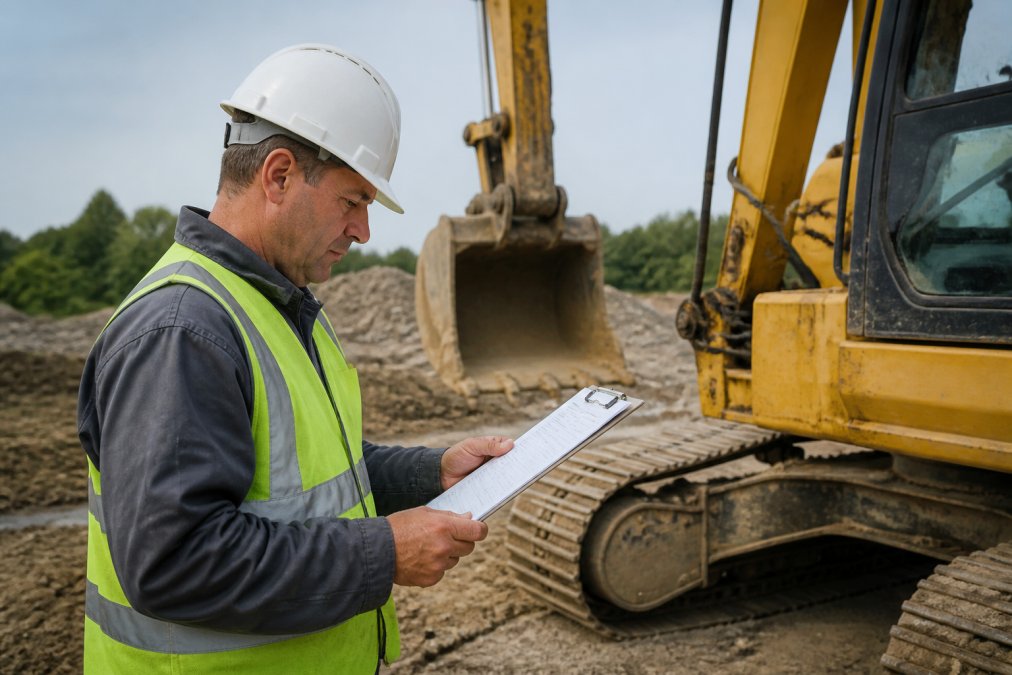
 how-to
Evaluating Used Machinery Condition Reports: A How-To Guide
Table of Contents
- What to Look for When Evaluating Used Machinery Condition Reports
- Building Your Heavy Equipment Inspection Checklist
- Creating an Equipment Condition Report Template
- When to Use Third-Party Heavy Equipment Inspection Services
- Spotting Discrepancies and Inaccuracies in Condition Reports
- Using Condition Reports to Negotiate and Make Purchase Decisions
- Frequently Asked Questions
Last Updated: August 20, 2026
What to Look for When Evaluating Used Machinery Condition Reports
A solid machinery condition report tells you what you're actually buying. The best reports go beyond surface-level observations and document real data points that reveal the equipment's true state and remaining useful life.
When reviewing a condition report, look for evidence, not opinion. The report should include specific measurements, fluid analysis results, operating hours, maintenance records, and detailed observations from someone who ran diagnostics on the machine. Vague language like "good condition" or "runs fine" tells you almost nothing about whether that excavator will hold up under your project load.
Core inspection areas every report must cover
A complete machinery condition report addresses the major systems that determine whether equipment will perform reliably. Missing sections suggest the inspection was incomplete.
The report must document the engine and powertrain, including compression readings, fuel system condition, exhaust smoke observations, and signs of internal wear. It should record when the last oil change occurred and whether the oil filter shows normal or excessive debris.
Hydraulic system integrity matters enormously for excavators, dozers, and similar equipment. The report should detail hose and fitting condition, fluid color and cleanliness, operating pressure under load, and any active leaks. Hydraulic fluid that's dark, cloudy, or smells burnt indicates internal component wear.
The undercarriage and tires deserve their own section. Track wear, roller condition, sprocket teeth, and tire tread depth should all be measured and recorded. Undercarriage work is expensive, so knowing the remaining lifecycle of these components directly impacts your total cost of ownership.
Electrical and control systems functionality must be tested. The report should confirm that all warning lights work, operator station controls respond properly, and any electronic systems operate as intended.
How to spot incomplete or vague reporting
Weak reports use subjective language and skip the numbers. Phrases like "appears to be in good working order" or "no major issues noted" without supporting data tell you nothing about actual condition.
Look for missing maintenance records, operating hours, or inconsistent hour readings. If a report says 4,500 hours but the machine's meter shows 6,200, something's wrong. A complete report includes images of the exterior, frame, hydraulic connections, tires, and any visible damage or wear.
Building Your Heavy Equipment Inspection Checklist
Creating your own inspection checklist ensures you evaluate every machine consistently and don't miss critical details. A consistent evaluation process protects you from emotional decisions or overlooking red flags.

Visual inspection of exterior and frame
Walk around the entire machine and document the condition of the paint, body panels, and frame. Look for rust, dents, cracks in the frame, or signs of previous repairs. Frame cracks affect structural integrity and can worsen under load.
Check the welds on the frame and boom. Poor welds or evidence of welding indicate previous damage. Document any visible leaks around hydraulic connections, the engine, or the transmission. Take photos from multiple angles.
Inspect the operator station carefully. Look at the seat condition, whether controls move freely, and whether windows are intact and clear.
Engine and powertrain performance checks
Start the engine cold and observe startup behavior. Does it turn over immediately, or does it struggle? Does smoke appear during startup? These observations tell you about internal engine condition.
Let the engine idle and listen. Rough idle, knocking sounds, or excessive valve noise suggests wear. Check the exhaust: blue smoke indicates oil burning (worn rings or valve seals), black smoke suggests rich fuel mixture, and white smoke can indicate coolant in the combustion chamber.
Test the engine under load if the equipment allows it. Rev the engine and confirm it responds smoothly. Check the transmission or final drive by running the equipment through its gears or functions. Shifts should be smooth; grinding, delayed engagement, or difficulty shifting indicate transmission wear.
Hydraulic system integrity and fluid condition
Hydraulic fluid condition tells you about internal wear throughout the system. The fluid should be clean and amber-colored. Dark brown or black fluid indicates oxidation and contamination. Cloudy fluid suggests water contamination. Fluid that smells burnt indicates overheating.
Inspect every hose and fitting for leaks, cracks, or deterioration. Test hydraulic pressure under load if you have access to the equipment. Operating pressure should match the manufacturer's specification. Pressure that's too low suggests internal seal wear.
Check for hydraulic fluid leaks on the ground where the equipment sits. A few drops over time are normal; a puddle indicates active leaks.
Undercarriage wear and tire tread depth
For tracked equipment, measure track wear with a ruler. The track should have consistent depth. Uneven wear suggests misalignment or improper maintenance. Inspect the rollers, sprockets, and idlers for cracks or excessive wear.
For wheeled equipment, measure tire tread with a depth gauge. Tread depth below 2/32 of an inch is unsafe. Check the tire sidewalls for cracks, bulges, or dry rot, which indicate aging.
Creating an Equipment Condition Report Template
A standardized template ensures every machine you evaluate is assessed the same way, making it easier to compare equipment and catch problems.
Essential sections your template must include
Your template should start with basic identification: equipment type, manufacturer, model, serial number, and year of manufacture. Serial numbers are critical for verifying title and ownership.
Add an operating hours section. Record the meter reading and note the date of inspection. If the meter appears inconsistent with the machine's age, flag it.
Include a section for overall appearance and frame condition. Use a simple scale (excellent, good, fair, poor) and add specific observations with photos. Create detailed subsections for each major system: engine and powertrain, hydraulic system, undercarriage or tires, electrical and control systems, and attachments. Each subsection should have space for specific measurements, observations, and photos.
Add a maintenance and service history section where you document what repairs have been performed, when, and by whom. Include a section for fluid analysis results and warranty information if available.
Documenting maintenance and service history
Maintenance records are proof that the equipment has been cared for. Request service records from the seller and document what you find. Look for regular oil changes, filter replacements, and major repairs.
Note the intervals between service events. Equipment serviced every 250 hours shows better care than equipment serviced sporadically. Document any major repairs: engine overhauls, transmission work, hydraulic system repairs, or frame welding.
Recording operating hours and usage logs
Operating hours are the best indicator of wear. A 2,000-hour excavator is less worn than a 6,000-hour excavator of the same age and model.
Verify the hour meter reading matches the equipment's apparent age. If the seller has usage logs, review them. Logs showing consistent use over time suggest the equipment has been properly maintained. Document the type of work the equipment has performed, as this affects wear patterns.
When to Use Third-Party Heavy Equipment Inspection Services
Professional inspectors bring expertise and diagnostic tools you don't have. They can measure hydraulic pressure, perform fluid analysis, run compression tests, and identify problems you'd miss.
Red flags that warrant professional assessment
If the equipment is expensive or you're uncertain about condition, hire a professional. For equipment over $15,000, a professional inspection pays for itself if it catches one serious problem.
Get a professional inspection if the seller can't provide maintenance records. If you notice hydraulic leaks, blue or black exhaust smoke, rough idle, grinding sounds, severe or uneven track or tire wear, or electrical systems that don't work properly, escalate to a professional. If the equipment has been idle for months or years, a professional inspection is worth the cost.
What to expect from a professional inspector
A good inspector will spend 2-4 hours on a thorough evaluation. They'll test all major systems, take measurements, document findings with photos, and provide a written report. The report should include a summary of condition, specific findings for each system, photos of key areas, and recommendations for repairs.
Ask the inspector whether they recommend fluid sampling. For expensive equipment, fluid analysis reveals internal wear you can't see. A professional inspector should also verify the serial number matches the title and ownership documentation.
Spotting Discrepancies and Inaccuracies in Condition Reports
The most dangerous condition reports aren't the incomplete ones; they're the ones that contain false information.
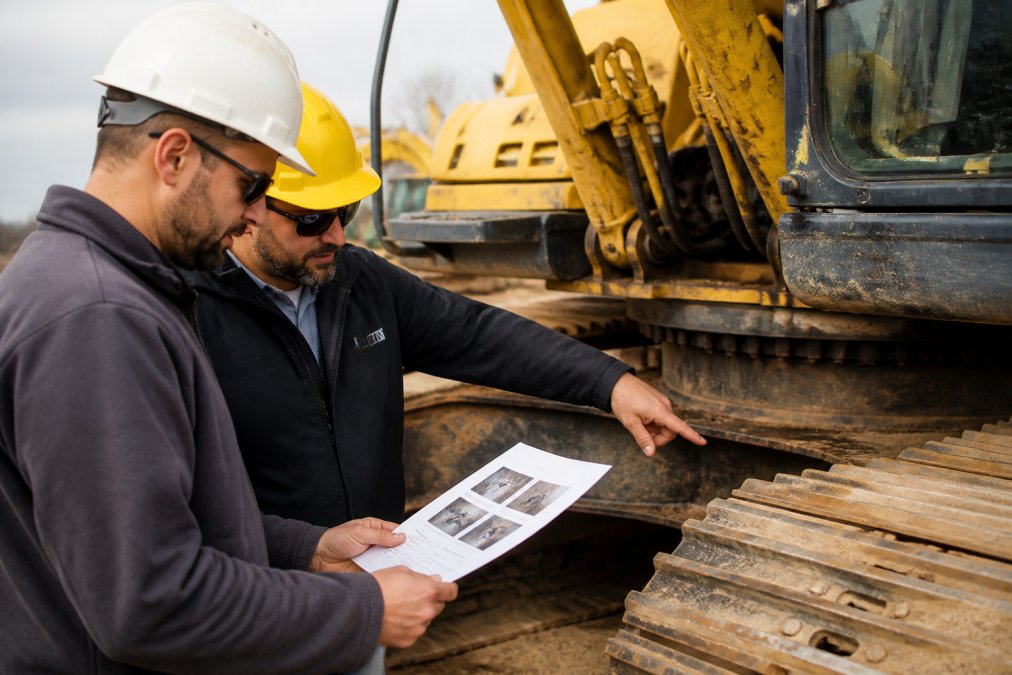
Comparing self-reported data against field observations
When you inspect equipment in person, compare what you see to what the report claims. If the report says "excellent tire condition" but the tires have visible cracks and minimal tread, the report is wrong. Trust your eyes.
Check the operating hours against the meter. If the report says 3,200 hours but the meter reads 5,100 hours, you need to understand the discrepancy before proceeding. Look at the condition photos in the report and compare them to the equipment now.
Identifying fluid leaks and contamination issues
Active leaks visible on the ground don't match a report that claims "no leaks noted." Hydraulic fluid pooling under the equipment is a clear problem. Hydraulic fluid that's visibly dark or cloudy contradicts a report claiming "fluid in good condition."
Check for seepage around hydraulic connections, the engine, and the transmission. The report should acknowledge any seepage, even minor.
Verifying serial numbers and title documentation
The serial number on the equipment must match the title and the condition report. Mismatched serial numbers are a serious red flag.
Request the original title and bill of sale from the seller. Verify the VIN or serial number matches the equipment and the documentation. Check whether the title is clear or has liens. If the equipment has been imported, verify the import documentation.
Using Condition Reports to Negotiate and Make Purchase Decisions
A condition report is your negotiating tool. It documents the equipment's actual state, which gives you leverage to negotiate price. Equipment with documented wear, maintenance needs, or high operating hours should cost less than equipment in excellent condition.
How to interpret fluid sampling and oil analysis results
Fluid analysis reports note the fluid's viscosity, contamination levels, and the presence of wear metals like iron, copper, or aluminum. High wear metal content indicates internal wear. Iron particles suggest engine or transmission wear. Copper indicates bearing wear. Aluminum suggests piston or cylinder wear.
Contamination levels show whether the fluid is clean or dirty. Clean fluid indicates good filtration and maintenance. High contamination suggests poor maintenance or internal breakdown. If the fluid analysis shows significant wear metals or high contamination, the equipment needs internal work. Use this information to negotiate a lower price or walk away.
Assessing depreciation and equipment lifecycle stage
Equipment depreciates based on age, operating hours, and condition. Operating hours are the primary depreciation factor. Consider the equipment's lifecycle stage. Equipment in the first third of its expected life has many years ahead. Equipment in the final third is approaching the point where major repairs become likely.
Research typical equipment lifecycles for your machinery type. Excavators typically operate reliably for 10,000-15,000 hours. Dozers often last 12,000-18,000 hours.
Walking away: when a report signals a bad deal
If the condition report reveals major problems, severe hydraulic leaks, high engine wear, failed electrical systems, or extensive frame damage, and the seller won't significantly reduce the price, walk away.
If the report contains inconsistencies you can't reconcile, walk away. If maintenance records are missing or the equipment's history is unclear, consider walking away unless you're getting a substantial discount that accounts for the unknown risk.
If the operating hours seem inconsistent with the equipment's age or condition, investigate before buying. When you're negotiating on EquipMarket, use the condition report as your foundation. Document discrepancies, note maintenance needs, and present your findings to the seller. The platform's direct communication tools let you negotiate confidently based on actual condition data.
Evaluating machinery condition reports accurately saves you money and prevents costly mistakes. The discipline of reviewing every section, comparing reports to actual equipment, and documenting discrepancies protects you from overpaying for worn equipment or buying machines with hidden problems. When you're buying through EquipMarket, you can request professional inspections, communicate directly with verified sellers about condition findings, and negotiate based on solid documentation. The combination of a thorough condition report, your own field observations, and professional inspection services gives you the confidence to make equipment purchases that work for your projects and budget.
Frequently Asked Questions
What is the difference between a self-reported condition report and a third-party inspection?
A self-reported condition report comes from the seller and reflects their assessment of the machinery's state. It may be incomplete or lack objectivity. A third-party inspection is conducted by an independent professional who has no financial interest in the sale. Third-party inspectors follow standardized protocols, document findings in detail, and provide unbiased conclusions about equipment condition, wear and tear, and safety compliance. For high-value purchases, a third-party report carries more weight in negotiations.
How do you spot discrepancies in used heavy equipment condition reports?
Compare the reported maintenance history against actual service records from dealerships or certified technicians. Look for gaps in operating hours that don't match the stated usage timeline. Conduct a field test and visually inspect the equipment yourself, check for fluid leaks, examine hoses and fittings, test the control panel functionality, and assess undercarriage wear. If reported idle speed or exhaust smoke observations conflict with what you observe during a test run, that's a red flag. Verify the serial number matches the title and any previous ownership claims.
What should a heavy equipment inspection checklist include?
A comprehensive checklist must cover exterior and frame condition, engine performance, hydraulic system integrity, undercarriage and tire tread depth, electrical and control systems, maintenance records, and operating hours. Document fluid condition through visual assessment and, if needed, oil analysis. Record any visible leaks, rust, cracks, or wear and tear. Note attachment compatibility and test all functions in the operator station. Include a section for red flags and safety compliance issues. Use a digital condition report template to ensure consistency across multiple inspections.
When should I hire a third-party heavy equipment inspection service?
Hire a professional inspector when purchasing high-value equipment, when the seller's condition report is vague or incomplete, when you lack hands-on experience with that machinery type, or when you're buying sight-unseen. Professional services are essential if you notice discrepancies between the report and photos, if maintenance records are missing, or if the equipment has uncertain provenance. Inspectors provide detailed assessments that protect your investment and give you negotiating leverage based on objective findings about the equipment's true lifecycle stage and structural integrity.