 how-to
How to Choose the Right Excavator Size
Table of Contents
- Understand Excavator Weight Classes
- Match Digging Depth and Reach to Your Project
- Evaluate Jobsite Constraints and Accessibility
- Consider Excavator Transport Regulations
- Assess Bucket Capacity and Attachment Compatibility
- Calculate Operating Costs and Heavy Equipment Financing Options
- Common Mistakes to Avoid When Selecting an Excavator
- Frequently Asked Questions
Last Updated: October 1, 2026
Understand Excavator Weight Classes
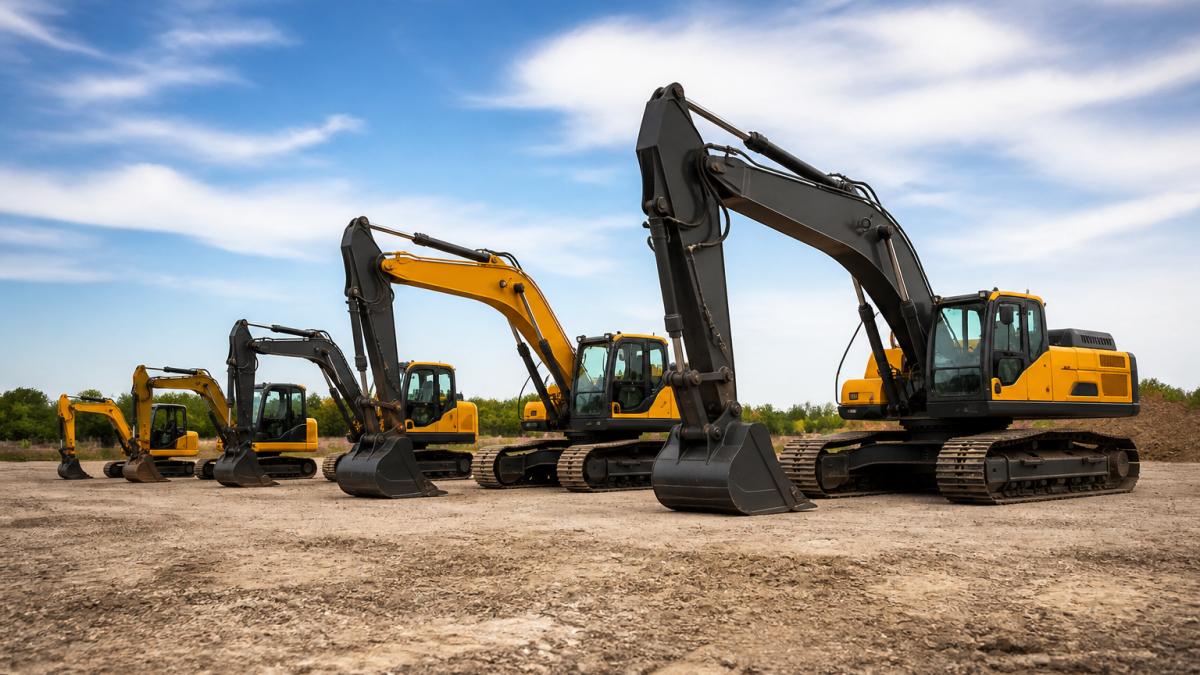
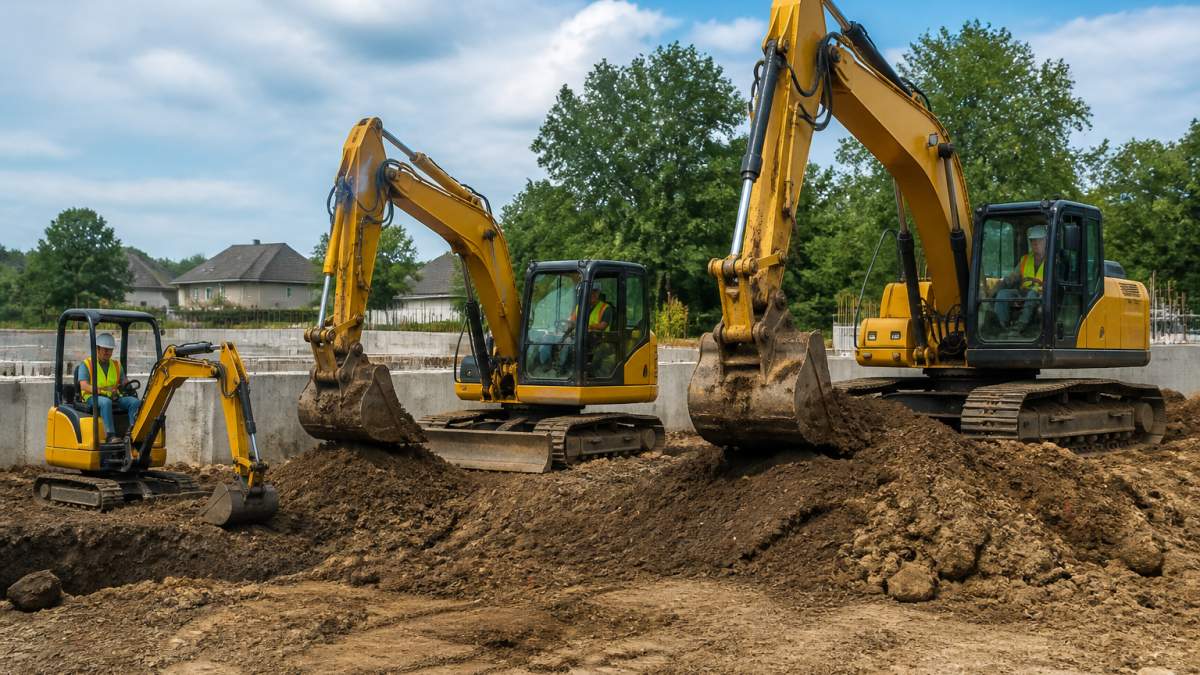
Choosing the right excavator size requires understanding four main weight categories, each suited to different jobsite demands. Operating weight determines digging capacity, reach, and project feasibility.
Mini Excavators (Under 10,000 lbs)
Mini excavators (under 10,000 lbs) excel in tight spaces with digging depths of 8-12 feet, reach of 15-20 feet, and bucket capacity of 0.3-0.8 cubic yards. They minimize site damage and transport easily on standard trailers, but lack power for heavy demolition or large-scale earthmoving. Best for precision tasks like utility trenching and residential clearing.
Midi Excavators (10,000-25,000 lbs)
Midi excavators (10,000-25,000 lbs) reach 12-18 feet deep with 20-28 feet reach and 0.8-1.5 cubic yard buckets. They move faster than minis, work on softer terrain without excessive rutting, and balance versatility with affordability, making them the workhorse for small to mid-sized contractors.
Standard Excavators (25,000-55,000 lbs)
Standard excavators (25,000-55,000 lbs) dig 15-22 feet deep with 25-35 feet reach and 1.5-3 cubic yard buckets. They handle heavy construction and demolition with fast cycle times, but higher ground pressure requires careful site assessment. Soft soil or wet conditions may need track widening or reinforcement, and transport costs increase significantly.
Large Excavators (Over 55,000 lbs)
Large excavators (over 55,000 lbs) dig 18-28 feet deep with 30-45 feet reach and 3-6 cubic yard buckets for mining and major infrastructure. High cost, space requirements, and mobilization expenses make them impractical for small projects.
Match Digging Depth and Reach to Your Project
Digging depth and reach determine whether an excavator can access your work zone. These specs directly impact project feasibility and timeline.
Digging depth is how far below track level the bucket digs; reach is the horizontal distance from track center to the bucket's furthest point. Measure your deepest dig and longest reach before selecting equipment, undersizing forces costly workarounds, oversizing wastes money and restricts access.
Utility trenching typically requires 6-10 feet depth; foundation work needs 12-18 feet; major excavation may demand 20+ feet. Check utility maps and call before digging. Reach requirements vary: narrow lots need 20+ feet to clear far corners, while confined jobsites with obstacles need longer reach for safe distances.
Evaluate Jobsite Constraints and Accessibility
Jobsite constraints often determine excavator size more than the work itself. Ground pressure, soil bearing capacity, track width, tail swing, and transport access all interact to determine whether a machine will sink, rut, or damage the site.
Understanding Ground Pressure and Soil Bearing Capacity
Ground pressure is operating weight divided by track contact area. A mini excavator (8,000 lbs, 40 sq ft track) exerts ~2 psi; a standard excavator (50,000 lbs, 80 sq ft track) exerts ~6.25 psi.
Soil bearing capacity varies by type: wet clay (0.5-2 psi) cannot support standard excavators; silt/sandy soil (1-3 psi) suits mini/midi machines; sand/gravel (3-6 psi) handles standard excavators; rock/hardpan (6+ psi) supports all sizes.
If ground pressure exceeds soil bearing capacity, the machine sinks or ruts, causing costly site damage. A 50,000-pound standard excavator on wet clay (1 psi capacity) will sink.
Diagnosing Soil Type in the Field
Perform a simple soil assessment: dig a test hole 12-18 inches deep, examine color and texture (clay is sticky and gray/brown; silt is fine; sand is gritty), perform the ribbon test (clay forms 6+ inch ribbons), and check for water. For critical projects, consult a geotechnical engineer ($500-$2,000) to prevent costly mistakes.
Adjusting Machine Selection for Soil Conditions
Match excavator size to soil type: soft clay/wet soil requires mini excavators or midi with wide tracks (wider tracks reduce ground pressure); silt/sandy soil suits midi excavators or standard excavators with wide tracks/reinforcement; sand/gravel/rock supports standard and large excavators.
For marginal soil, geotextile fabric or crushed stone under tracks reduces rutting ($500-$2,000) and is far cheaper than site remediation.
Track Width and Tail Swing Constraints
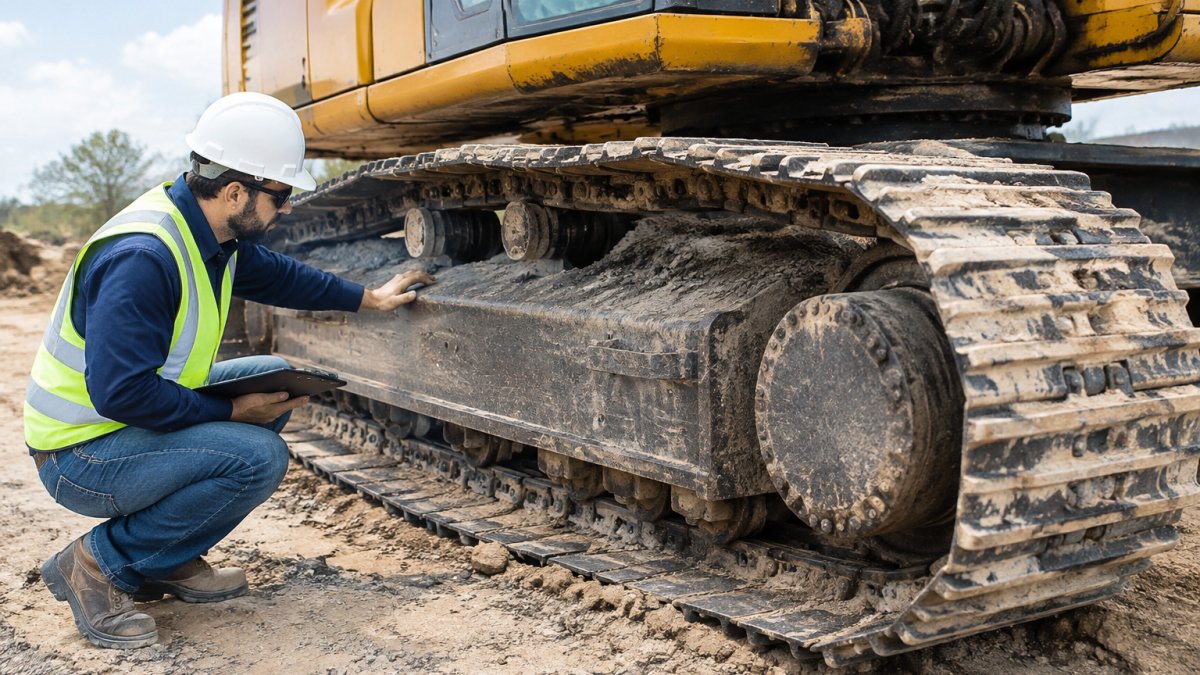
Wider tracks reduce ground pressure; narrower tracks fit tight passages. Many excavators offer adjustable tracks, a 20-foot standard excavator can reconfigure to 16 feet. Zero tail swing excavators keep the counterweight within track width, ideal for confined spaces; standard tail swing machines need 5-10 extra feet. Zero tail swing costs 10-15% more but prevents collisions on sites with walls, fences, or structures.
Transport and Site Access
Excavators over 20,000 lbs need specialized transport; mini excavators cost $300-$800 to deliver, while 50,000-pound standard excavators cost $2,000-$5,000. Confirm site access, narrow driveways, low-clearance bridges, or weight-restricted roads may eliminate larger machines.
Consider Excavator Transport Regulations
Excavator transport regulations vary significantly by state and directly affect project planning, timeline, and budget. Oversize and overweight permits, operator certifications, and route restrictions are often overlooked until they delay a project.
Oversize and Overweight Permit Requirements
Most states allow loads up to 8 feet wide and 13.5 feet tall without permits. Wider/taller loads or weights exceeding 80,000 lbs require oversize/overweight permits ($50-$500, 1-5 business days). Plan ahead to prevent delays.
Standard thresholds: 8 feet width, 13.5 feet height, 80,000 lbs GVWR, 20,000 lbs per axle. Check your state's DOT website for current regulations, penalties for non-compliance are $500-$5,000 plus potential impoundment.
Operator Certification and Licensing Requirements
Operator certification requirements vary by state. Most states don't require special licenses for private jobsites, but some require certification for public roads or regulated industries. OSHA requires operators to be competent; the NCCCO offers voluntary certification. Verify operator certifications and experience, inexperienced operators cause site damage and safety incidents.
State-Specific Variations and Route Restrictions
States impose route restrictions (designated highways only), daylight-only transport (6 a.m.-6 p.m.), pilot car requirements ($300-$800/day), and seasonal restrictions. These can add days to transport and hundreds in pilot car fees.
Budgeting for Permits, Pilot Cars, and Delays
When evaluating equipment budgets, factor in often-overlooked transport expenses:
- Oversize permit: $50-$500 depending on distance and state.
- Overweight permit: $100-$500 depending on weight and state.
- Pilot car (if required): $300-$800 per day, typically 1-2 days for long-distance transport.
- Route planning and delay: If restricted routes add distance or require overnight stops, factor in additional transport time and potential equipment rental extension.
A $5,000 excavator rental can easily become $7,500 to $8,500 when transport, permits, and pilot cars are included. For large machines or long-distance moves, these costs can exceed $10,000.
Planning Ahead to Avoid Delays
To prevent project delays:
- Identify the excavator size early in project planning.
- Check your state's DOT website for current permit thresholds and requirements.
- Contact the rental company and ask about permit costs, processing time, and pilot car requirements.
- Request permits 5-7 business days before the planned delivery date to allow for processing and potential expediting.
- Confirm operator certifications if hiring an operator, and verify they meet your state's requirements.
- Budget for contingencies: Add 10-15% to transport costs for unexpected delays or expedited permits.
Heavy equipment financing options can cover transport and permitting costs. When evaluating equipment budgets, factor in these often-overlooked expenses upfront. A comprehensive budget that includes permits, transport, and operator labor prevents surprises and keeps projects on schedule.
Assess Bucket Capacity and Attachment Compatibility
Bucket capacity determines how much material moves per cycle. Attachment compatibility determines whether the excavator can handle your full scope of work.
Bucket capacity is measured in cubic yards. Mini excavators carry 0.3 to 0.8 cubic yards per bucket. Standard excavators handle 1.5 to 3 cubic yards. Larger buckets move more material faster, reducing cycle count and project duration.
The trade-off is machine size. A 0.5 cubic yard bucket fits a mini excavator perfectly. Forcing a 1.5 cubic yard bucket onto a midi excavator strains the hydraulics and slows cycle time.
Calculate Operating Costs and Heavy Equipment Financing Options
Operating costs include fuel, maintenance, operator labor, and financing. Total cost of ownership determines whether renting or buying makes sense.
Common Mistakes to Avoid When Selecting an Excavator
Undersizing is the most expensive mistake. Choosing a machine too small for the job forces costly remobilization, extends timelines, and frustrates crews. Measure your digging depth and reach requirements before selecting equipment.
Frequently Asked Questions
What are the different excavator size categories?
Excavators are classified by operating weight into four main categories: mini excavators (under 10,000 lbs), midi excavators (10,000-25,000 lbs), standard excavators (25,000-55,000 lbs), and large excavators (over 55,000 lbs). Each category is suited to different project scales and site conditions. Mini excavators excel in tight spaces and residential work, while large excavators handle heavy commercial and demolition projects. Choosing the right size depends on your project scope, site access, and budget.
How does excavator weight affect transport regulations?
Excavator transport regulations vary by operating weight and state. Machines exceeding certain thresholds may require special permits, pilot cars, or route planning to comply with road weight limits. Heavier excavators incur higher transport costs and logistics complexity. Understanding your local DOT regulations and transport weight limits is essential before purchasing. Consult your state's transportation department for specific requirements based on the machine's operating weight and dimensions.
What is the difference between digging depth and reach?
Digging depth is how far below ground level the bucket can excavate, measured from the machine's tracks. Reach is the horizontal distance the boom can extend from the excavator's center. Both measurements determine whether you can access utilities, reach deep foundations, or work in confined spaces. Mini excavators typically dig 8-12 feet deep with 15-20 feet of reach, while standard excavators can dig 20+ feet deep with 30+ feet of reach. Your project requirements for depth and horizontal distance drive excavator selection.
What financing options are available for purchasing or leasing an excavator?
Heavy equipment financing options include equipment loans, equipment leasing, and rent-to-own arrangements. Equipment loans allow ownership and are suitable for long-term projects or fleet building. Leasing offers flexibility for short-term or seasonal work with lower upfront costs. Many lenders offer rapid approval and same-day funding for qualified borrowers. Compare terms, interest rates, and total cost of ownership across lenders to find the best fit for your cash flow and project timeline.