 how-to
How to Finance Heavy Construction Machinery
Table of Contents
- What Equipment Financing Is and How It Works
- Construction Equipment Loans vs. Heavy Equipment Leasing
- Equipment Financing Requirements You Need to Meet
- Heavy Equipment Financing With Bad Credit
- Step-by-Step: How to Apply for Heavy Construction Machinery Financing
- Getting Approved Fast: What to Expect
- New vs. Used Equipment and Private-Party Purchases
- Common Mistakes to Avoid When Financing Heavy Machinery
- Frequently Asked Questions
Last Updated: October 15, 2026
What Equipment Financing Is and How It Works
Equipment financing is borrowing money specifically to buy machinery, vehicles, or tools your business needs, including options to finance heavy construction machinery. Instead of paying the full price upfront, you spread the cost over time with regular payments.
Here's the basic flow: You find the equipment you want to buy. You apply for financing through a lender. The lender approves you and funds the purchase.
Equipment financing works differently than a traditional business loan. With a standard loan, the lender cares mostly about your credit score and financial history.
At Equipment Finance Academy, we connect you with top equipment lenders and a tech-powered financing marketplace. Approvals are in hours, and funding can be same-day, so you can start your project without delay.
Construction Equipment Loans vs. Heavy Equipment Leasing
Equipment loans and leases are two different paths to the same goal: getting machinery your business needs. Understanding when to use each one is critical to your bottom line.
When to Choose a Loan
An equipment loan means you borrow money to buy the machinery outright. You own it from day one. You make monthly payments until the loan is paid off, then the equipment is yours free and clear.
Equipment loans work best when:
- You plan to keep the equipment for many years
- You want to build equity in an asset
- You need equipment customized for your specific operations
- You want to claim depreciation on your taxes
- Your business has stable, predictable cash flow
The advantage is ownership. Once you've paid off the loan, you own valuable equipment with no more payments. You can sell it later or use it as collateral for another loan if needed.
When to Choose a Lease
A lease is a rental agreement. You pay monthly to use the equipment, but the lender owns it. When the lease ends, you return the equipment. Some leases let you buy the equipment at the end, but most are straight rentals.
Equipment leasing works best when:
- You need equipment for a specific project or short period
- You want the newest technology without owning outdated gear
- You prefer predictable monthly costs with no surprises
- You want to avoid maintenance and repair costs
- You need flexibility to upgrade or change equipment
Leasing keeps your monthly payments lower than a loan, and the lessor handles maintenance. But you never build equity, and you're locked into the lease term.
Equipment Financing Requirements You Need to Meet
Lenders evaluate several factors before approving your financing application. Understanding what they look for helps you prepare a stronger application and speeds up approval.
Credit Score and Financial History
Your credit score matters, but it's not everything.
Lenders also review your payment history. They check if you've paid previous loans, credit cards, and business bills on time. One or two late payments won't automatically disqualify you, but a pattern of missed payments raises red flags.
Beyond your credit score, lenders may want to see your business tax returns. These can show your actual income and whether your business is growing or shrinking.
Time in Business and Revenue
Some lenders focus on your monthly cash flow instead of annual revenue. They want to see that you have enough money coming in each month to cover the equipment payment plus your other expenses. If your cash flow is tight, approval is harder.
Heavy Equipment Financing With Bad Credit
Bad credit doesn't mean you can't get equipment financing. It means you'll face higher interest rates and stricter terms. Many lenders specialize in financing for businesses with credit challenges.
If your credit score is lower, here's what to expect:
Higher interest rates.
Larger down payment. This reduces their risk and shows you're serious about the purchase.
Shorter loan terms. Higher monthly payments, but you pay less interest overall.
Stricter documentation. Expect to provide more financial records. Bank statements, tax returns, and business licenses all get reviewed carefully.
The key is working with lenders who understand equipment financing. They care more about the equipment's value and your ability to make payments than your credit score alone. Equipment Finance Academy provides Quick Equipment Financing. Access the nation's top equipment lenders and tech-powered financing marketplace.
Step-by-Step: How to Apply for Heavy Construction Machinery Financing
Getting approved for heavy construction machinery financing takes planning, but the process is straightforward. Follow these steps to move through approval quickly.
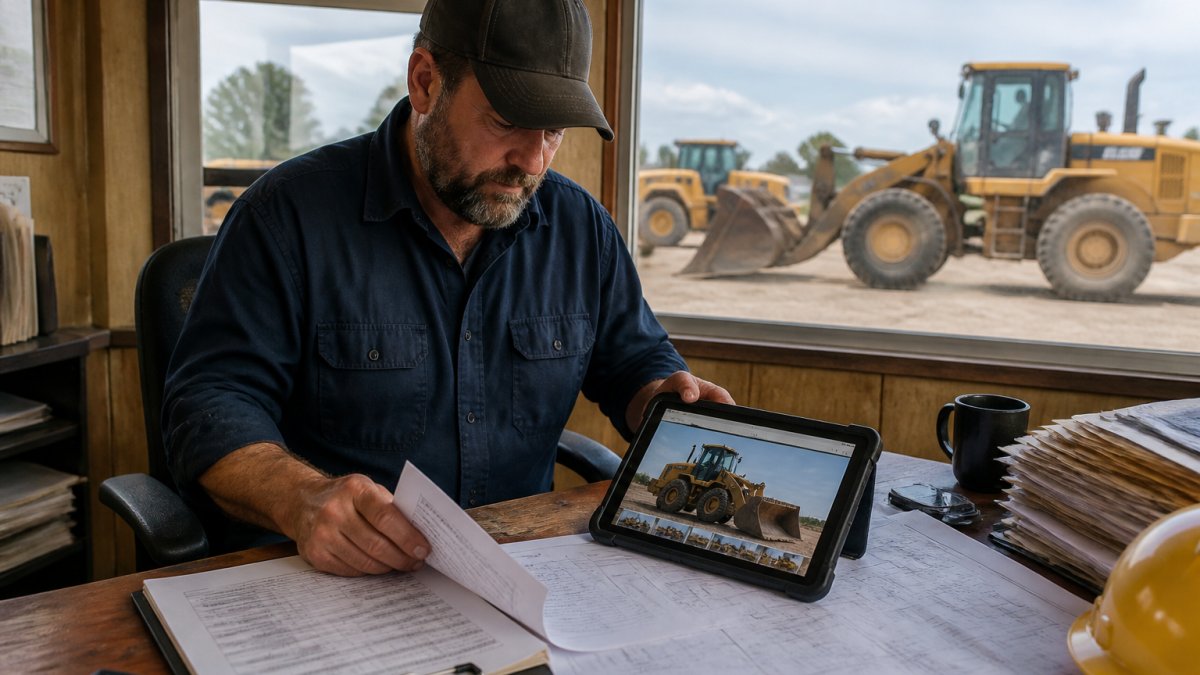
Step 1: Prepare Your Financial Documents
Lenders need proof of your financial health. Start by gathering these documents:
- Business tax returns
- Business bank statements
- Personal bank statements
- Current business balance sheet
- List of existing business loans and credit lines
- Personal credit report (pull your own from a free service to check for errors)
Organize these documents in a folder before you start your application. Having them ready cuts approval time in half. If any documents are missing, the lender will ask for them, which delays approval.
Step 2: Get Equipment Quotes and Specifications
You need specific information about the equipment you're financing. Don't just have a general idea, get actual quotes from dealers or sellers.
Your quote should include:
- Equipment make, model, and year
- Equipment serial number or VIN
- Current market price or asking price
- Seller contact information
- Photos of the equipment (if used)
- Equipment condition report
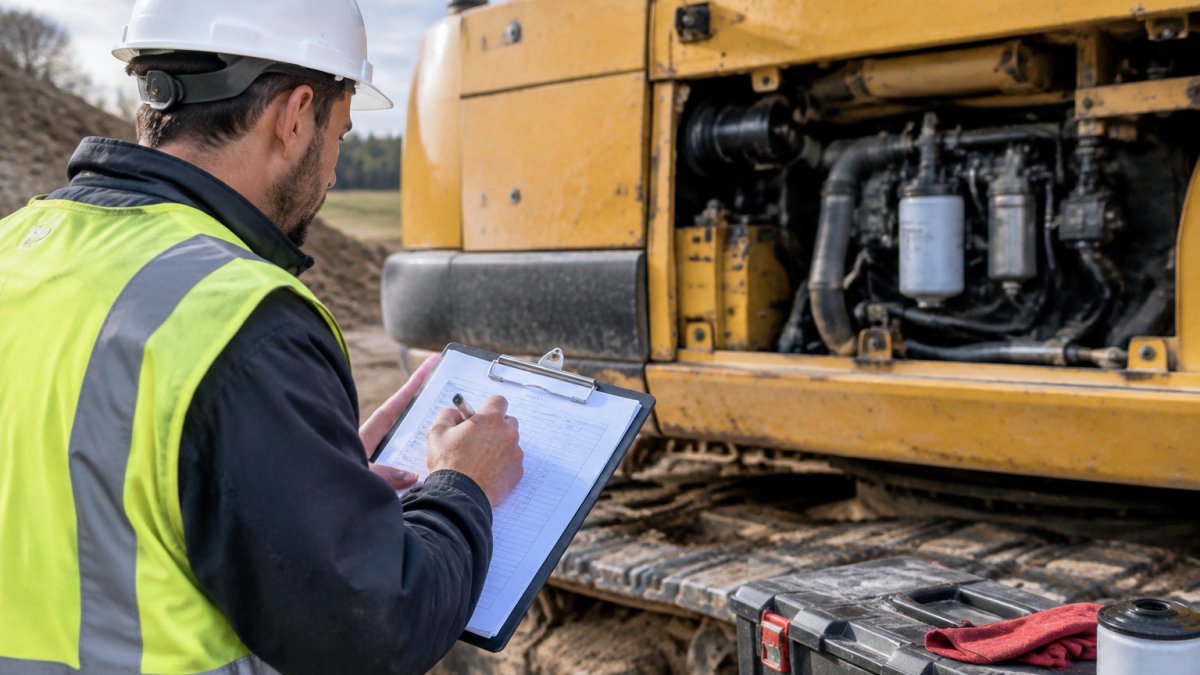
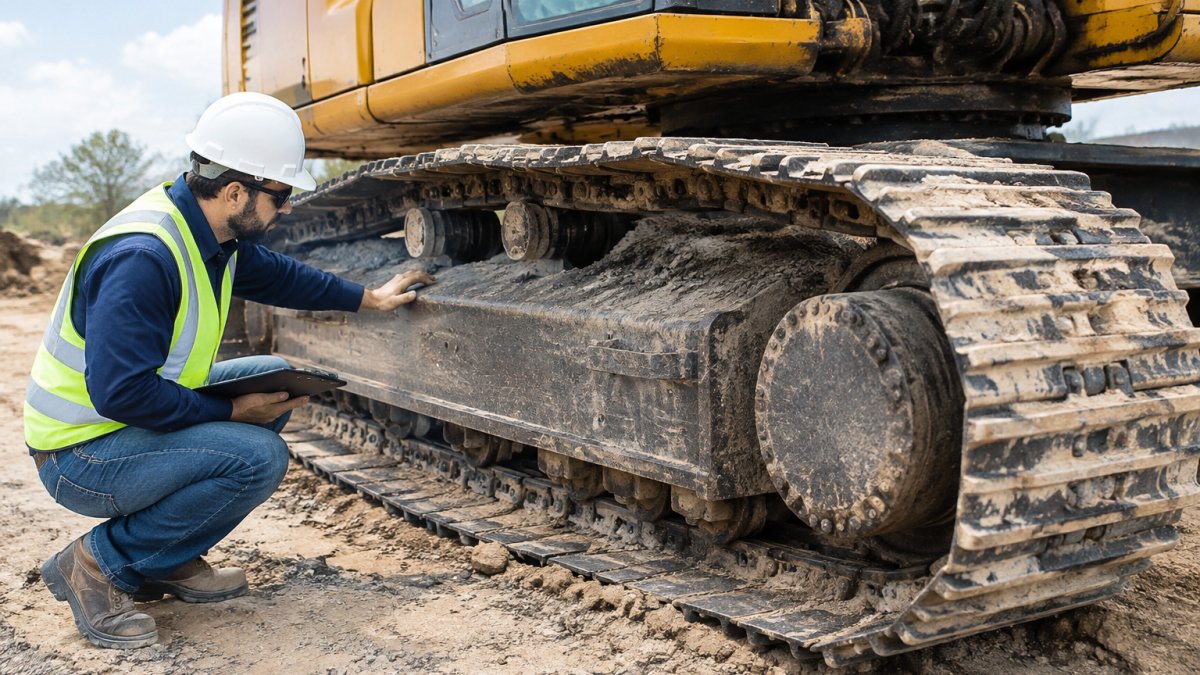
New equipment is straightforward. Used equipment requires more detail. If you're buying from a private seller instead of a dealer, get a pre-purchase inspection from a qualified mechanic. Lenders want to know the equipment is worth what you're paying for it.
Step 3: Compare Financing Options and Total Costs
Don't just look at the interest rate. Calculate the total cost of financing, including interest, fees, and insurance.
Create a simple comparison:
| Lender | Interest Rate | Loan Term | Monthly Payment | Total Interest | Down Payment |
|---|---|---|---|---|---|
| Lender A | 8% | 60 months | $X | $Y | $Z |
| Lender B | 9% | 48 months | $X | $Y | $Z |
| Lender C | 7.5% | 60 months | $X | $Y | $Z |
A lower interest rate doesn't always mean lower total cost. A shorter loan term means higher monthly payments but less total interest. A longer term spreads costs out but costs more overall. Choose the option that fits your monthly cash flow and total budget.
Step 4: Submit Your Application
Most lenders now accept applications online. You'll upload your documents and answer questions about your business and the equipment. Be honest and complete. Incomplete applications delay approval.
Your application will ask:
- Business name, type, and how long you've been operating
- Annual revenue and monthly cash flow
- Current business debts and monthly obligations
- Equipment you want to finance and its price
- How much down payment you can make
- Preferred loan term
Submit your application during business hours on a weekday. Lenders review applications faster during the work week. If you submit Friday evening, your approval won't come until Monday or Tuesday.
Getting Approved Fast: What to Expect
Speed matters when you need equipment to start a project. Here's what happens after you submit your application and how long each step takes.
Prequalification and Credit Checks
Within an hour of submitting your application, the lender pulls your credit report. This is a soft inquiry that doesn't hurt your credit score. The lender checks your score, payment history, and existing debts.
At the same time, the lender reviews the documents you uploaded. They verify your income using your tax returns and bank statements. If anything looks off, like a gap in your bank statements or a discrepancy in your income, the lender asks for clarification.
Most lenders give you a prequalification decision within hours. This is not final approval, but it tells you whether you're likely to qualify and gives you an estimated interest rate and monthly payment.
Same-Day Funding Timeline
If you're approved for financing, here's the typical timeline to actual funding:
Hours 1-4: Application review and prequalification decision Hours 4-6: Final underwriting and document verification Hours 6-8: Loan documents prepared and sent to you for signature Hours 8-10: You sign documents electronically and return them Hours 10-12: Lender funds the purchase (wire transfer to seller or dealer)
In ideal conditions, you can go from application to funded in the same business day. This assumes:
- You submit your application early in the morning
- All your documents are complete and accurate
- The lender has no questions about your finances
- The equipment seller is available to receive payment
Real-world timing varies. If your application is missing documents, approval takes longer. If the equipment seller needs time to process the wire transfer, funding might happen the next day.
New vs. Used Equipment and Private-Party Purchases
The type of equipment you're buying affects financing approval and terms. Understanding these differences helps you plan your purchase strategy.
New equipment is easiest to finance. The dealer provides all specifications and paperwork. The equipment has a warranty, so lenders know it will work. Interest rates on new equipment are typically lower because the lender's risk is lower.
Used equipment costs less upfront but requires more documentation. Lenders want proof the equipment is in good condition and worth the price you're paying. Get a pre-purchase inspection from a qualified technician. Lenders may require this inspection before approving your financing.
Private-party purchases are the most difficult to finance. When you buy from an individual seller instead of a dealer, lenders have fewer guarantees about the equipment's condition and value. You'll need:
- A detailed inspection report from a qualified mechanic
- Photos of the equipment from multiple angles
- Proof of the seller's ownership (title or bill of sale)
- Comparable sales data showing the equipment's market value
Common Mistakes to Avoid When Financing Heavy Machinery
Learning from others' mistakes saves you time and money. Here are the pitfalls that slow down approval or cost you more than necessary.
Mistake 1: Applying without preparing documents. Lenders move fast when you're ready.
Mistake 2: Overstating your revenue or assets. Lenders verify everything.
Mistake 4: Buying equipment without getting a quote first. Lenders need specific details about what you're financing. A vague description slows approval.
Mistake 5: Applying to multiple lenders at once. Each application triggers a credit inquiry. Multiple inquiries in a short period hurt your credit score.
Mistake 6: Choosing the longest loan term to minimize monthly payments. Yes, longer terms mean lower monthly payments.
Mistake 7: Not reviewing the loan documents before signing. Lenders send you the final agreement for signature. Read it carefully.
Frequently Asked Questions
What credit score do you need to finance heavy equipment?
Your credit score is a factor for equipment financing. Your score affects interest rates and approval odds, but it's not the only factor lenders evaluate. If your score is lower, prepare strong financial statements and consider a larger down payment to improve your application.
Is it better to lease or finance construction equipment?
Leasing offers lower monthly payments, predictable costs, and easier equipment upgrades. Financing lets you build equity and own the asset after repayment. Choose leasing if you need flexibility or want to avoid long-term ownership. Choose financing if you plan to keep the equipment for years and want tax deductions on ownership. Compare total costs over your expected usage period to decide.
How long does heavy equipment financing take?
Approval can happen in hours with a complete application and solid credit profile. Funding often occurs the same day once approved. However, timelines vary based on lender, documentation completeness, and whether the equipment is new or used. Prequalification can be instant, but final approval typically takes longer. Having all financial documents ready upfront speeds the process significantly.
What documents do lenders require for equipment financing?
Lenders typically require business tax returns, personal and business bank statements, proof of business ownership, a valid ID, and an equipment quote or invoice. Some ask for financial statements, proof of time in business, and references. A few may request collateral documentation or proof of insurance. Gather these in advance to qualify faster and increase approval odds.
Heavy construction machinery is a major investment. Equipment financing lets you acquire the machinery your business needs without depleting cash reserves. Equipment Finance Academy connects you with top lenders who specialize in fast approvals and same-day funding. We verify lenders to ensure they're legitimate and transparent about rates and fees. Start your application today and get the equipment your business needs to grow.