 how-to
How to List Machinery Online: A Step-by-Step Guide
Table of Contents
- Choosing the Right Online Marketplace to List Machinery
- Preparing Your Equipment for Sale
- Tips for Photographing Heavy Machinery for Sale
- How to Write a Heavy Equipment Sales Description
- Setting Competitive Pricing and Managing Inquiries
- Creating a Heavy Equipment Bill of Sale Template
- Handling Logistics, Inspections, and Secure Transactions
- Frequently Asked Questions
Last Updated: August 27, 2026
Choosing the Right Online Marketplace to List Machinery
The first decision when you decide to list machinery online is selecting a platform that matches your equipment type and target buyer pool. Not all marketplaces are created equal, some cater to dealers and large operations, others welcome independent contractors and small business owners.
EquipMarket specializes in connecting buyers and sellers of heavy construction equipment. The platform's advanced search filters let buyers find exactly what they need, while verified seller status builds trust on both sides of the transaction. Direct negotiation tools mean you control the entire deal, from initial inquiry through final payment, without intermediaries taking a cut.
When evaluating any marketplace, consider three core factors. First, audience alignment: does the platform attract the buyer type you're targeting? A dealer moving fleet inventory needs different exposure than an independent contractor selling a single excavator. Second, verification standards: how does the platform vet sellers and prevent fraud? Third, transaction support: does the platform offer tools for inspections, secure payment, and logistics coordination, or does it leave you to handle everything yourself?
Many sellers make the mistake of listing on every platform simultaneously, then struggling to manage multiple inquiries and negotiate duplicate deals. Start with one platform that matches your equipment and buyer profile. Once you understand how that platform works, you can expand to others if needed.
EquipMarket's value estimator tool helps you understand current market valuation before you list, which saves time on pricing negotiations later. The verified seller network means serious buyers are already on the platform looking for equipment like yours.
Preparing Your Equipment for Sale
Before you create a single listing, your equipment needs to be ready for inspection and transport. This preparation phase directly impacts how quickly your machinery sells and what price you'll command.
Start with a mechanical inspection. Walk through your equipment systematically and document its actual condition. Note any wear, damage, repairs, or maintenance performed recently. Buyers will eventually discover these details, either through third-party inspection or when they operate the equipment. Being upfront about condition builds credibility and prevents deals from collapsing at the last moment.
Clean the equipment thoroughly. Remove dirt, grease, and debris. A clean machine looks better in photos and photographs better online. Cleaning also gives you a chance to spot damage you might have missed when the equipment was covered in job-site grime.
Gather all documentation you have: maintenance records, service history, repair receipts, original purchase paperwork, and any certifications or compliance documentation. Operating hours matter significantly, buyers will ask for them, and you should have accurate numbers ready. If you don't have exact hours, provide your best estimate and note it clearly in your listing.
Check the serial number and ensure it matches all your documentation. Verify that title transfer won't encounter complications. Cross-border sales require additional documentation, so understand what paperwork is required for the buyer's location before you list.
Arrange for a pre-listing inspection if you're selling high-value equipment. A third-party inspection report gives buyers confidence and often justifies a higher asking price. Many serious buyers will request inspection anyway, getting ahead of this expectation demonstrates professionalism.
Tips for Photographing Heavy Machinery for Sale
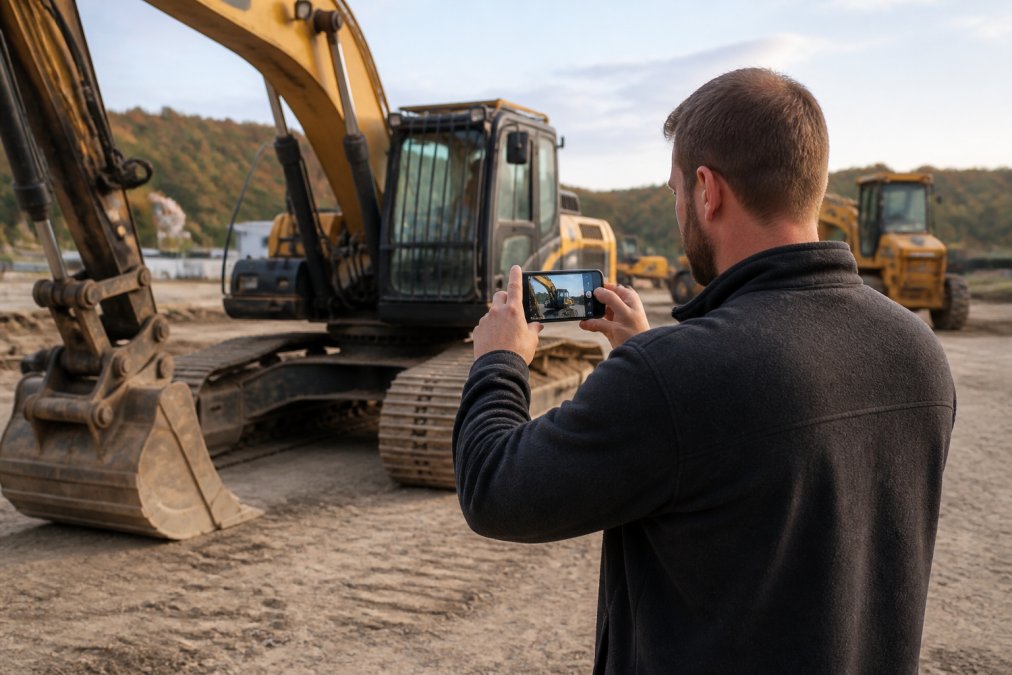
Photography makes or breaks an online listing. Buyers can't touch or operate equipment through a screen, so images carry enormous weight in their decision to inquire or move on.
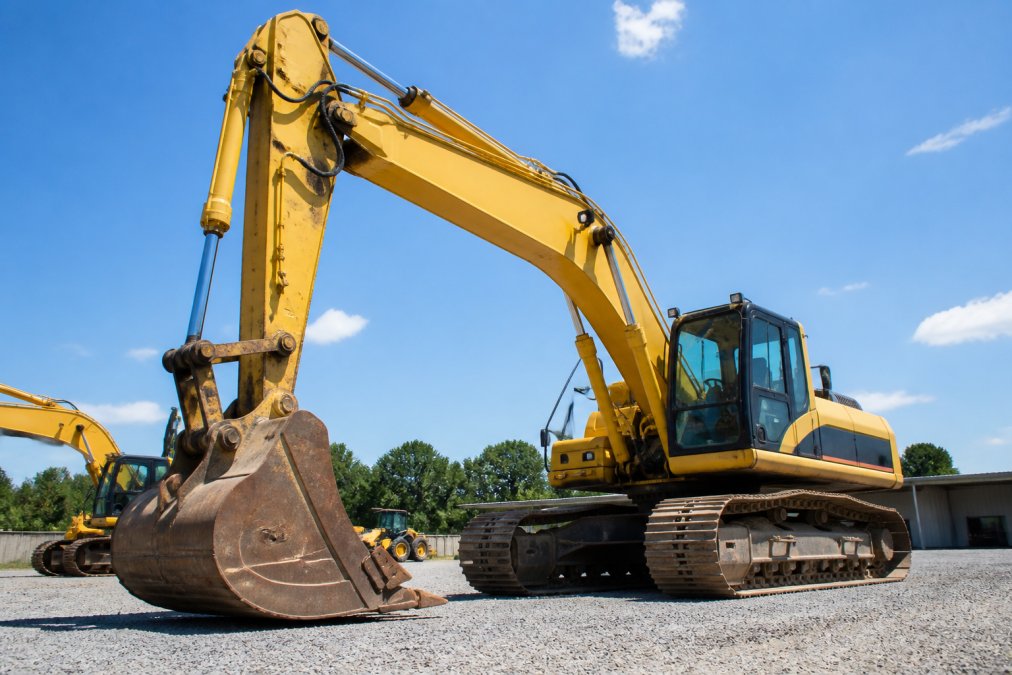
Shoot during daylight with natural lighting. Overcast days work best, harsh shadows obscure details. Avoid photographing in shade or under poor lighting, which hides the equipment's actual condition and makes it look worse than it is. Buyers will assume the worst when they can't see clearly.
Capture multiple angles. Show the equipment from the side, front, and rear. Include close-ups of critical components: the engine, hydraulic systems, bucket or blade condition, cab interior, and any visible wear. Photograph the serial number and hour meter clearly, buyers want to verify these details before they inquire.
Take photos of the equipment operating if possible, or show it in a realistic work setting. This gives potential buyers a sense of scale and function. A dozer next to a truck or person helps viewers understand its actual size.
Include at least one photo showing overall condition and any visible damage or wear. Hiding damage in photos only delays the inevitable discovery during inspection. Transparency here actually speeds up the sales process because serious buyers move forward faster when they know what they're getting.
Avoid heavily edited or filtered images. Buyers expect to see what they're actually purchasing. A straightforward, well-lit photo of the real equipment beats a heavily processed image every time.
Upload photos in high resolution. Most online marketplaces compress images, so start with the highest quality files you can. This preserves detail even after compression.
How to Write a Heavy Equipment Sales Description
Your written description works alongside photos to convince buyers to make an inquiry. A vague or incomplete description costs you inquiries from qualified buyers who assume you're hiding something.
Lead with the most important details: equipment type, model, year, and current condition. Buyers filtering search results need these facts immediately. Example: "2018 Caterpillar 320 Excavator, 4,200 operating hours, excellent condition."
Include specifications that matter to your buyer pool. For excavators, this means bucket capacity, reach, digging depth, and engine horsepower. For dozers, blade width, horsepower, and transmission type. These specs help buyers quickly determine if the equipment meets their project needs.
Describe the maintenance and service history clearly. Buyers want to know if the equipment has been well-maintained or neglected. List recent major repairs, replacements, or upgrades. Example: "New hydraulic pump installed at 3,800 hours. Regular maintenance performed every 250 hours."
Be honest about condition. Note any cosmetic wear, dents, or scratches. Describe mechanical condition separately from appearance. Equipment can look rough but run perfectly, or look clean but have hidden issues. Both matter, but for different reasons.
Mention any attachments or accessories included with the sale. If the equipment comes with spare parts, extra buckets, or specialized attachments, say so. This adds perceived value.
Specify what's negotiable and what isn't. Are you flexible on price? Do you offer delivery, or does the buyer arrange transport? Can you provide financing or only cash? Clarity here prevents wasted conversations with buyers whose terms don't match yours.
Include a call to action that directs buyers to your contact method. On EquipMarket, this means inviting them to use the platform's inquiry system, which keeps communication secure and documented.
Setting Competitive Pricing and Managing Inquiries
Pricing your machinery correctly determines how fast it sells and whether you maximize revenue. Too high and you get no inquiries. Too low and you leave money on the table.
Research recent sales of comparable equipment. Look at listings that sold recently, not just current asking prices. Asking price and actual sale price often differ. If you can find sold listings on your marketplace or others, these give you the strongest data. Consider equipment age, operating hours, condition, and included attachments when comparing.
Factor in depreciation. Heavy machinery loses value as it ages and accumulates operating hours. A 2018 excavator with 5,000 hours is worth less than a 2020 model with 2,000 hours, all else equal (peer-reviewed research). Understand your equipment's position on the depreciation curve.
Account for market conditions. If many similar machines are currently listed, you may need to price more aggressively to stand out. If inventory is tight, you have more pricing power.
Set a realistic asking price, then be prepared to negotiate. Most buyers will make an initial offer below your asking price. Build this expectation into your pricing strategy. If you want to sell for $45,000, you might list at $50,000 to leave room for negotiation.
When inquiries arrive, respond quickly. Buyers shopping for equipment often contact multiple sellers simultaneously. Speed in responding to inquiries gives you an advantage. On EquipMarket, use the platform's messaging system to maintain a documented communication trail.
Ask qualifying questions early. Confirm the buyer's location, timeline, and intended use. A buyer in another state who needs equipment in two weeks has different requirements than a local buyer with flexible timing. Understanding their situation helps you negotiate terms that work for both parties.
Be prepared for negotiation on price, payment terms, and delivery arrangements. Some buyers will want you to arrange transport. Others will handle it themselves but expect a price reduction reflecting that responsibility. Know your limits on what you'll accept before negotiations begin.
Document all communication and agreements. Written confirmation of price, payment method, delivery terms, and any included items prevents misunderstandings later. This documentation also protects you if disputes arise.
Creating a Heavy Equipment Bill of Sale Template
A bill of sale is a legal document that transfers ownership of equipment from seller to buyer. It protects both parties by creating a clear record of the transaction.
Your bill of sale template should include the seller's name, address, and contact information. Include the buyer's name, address, and contact information. Both parties should sign and date the document.
Describe the equipment in detail: type, manufacturer, model, year, serial number, and current condition. The more specific your description, the less room for disputes about what was actually sold. Include operating hours at the time of sale.
State the purchase price clearly. Specify the payment method: cash, wire transfer, check, or other arrangement. If payment is made in installments, document the payment schedule and any interest terms.
List what's included in the sale. Does it include attachments, spare parts, or accessories? Are any items excluded? Be explicit. For example: "Sale includes excavator bucket and spare hydraulic hose. Does not include operator's manual or original factory documentation."
Include any warranties or guarantees you're providing. Many equipment sales are sold "as-is," meaning the buyer accepts the equipment in its current condition with no warranties. If you're providing any warranty coverage, state it clearly, for example, "Seller warrants that equipment is mechanically sound and will operate for 30 days from delivery date."
Address title transfer. For equipment with title documents, specify who handles the transfer process and any associated costs. Some states require notarization; confirm this applies to your transaction.
Add a section for inspection rights. State whether the buyer had an opportunity to inspect the equipment before purchase, or whether inspection will occur after delivery. Document any inspection contingencies, for example, "Sale is contingent on buyer's third-party inspection confirming described condition."
Include liability language clarifying that the buyer assumes all risk of loss once the equipment is transferred. This protects you from claims if the equipment is damaged during transport or after delivery.
Have both parties initial any modifications to the template. Keep a copy for your records and provide a copy to the buyer. Store your copy securely, you may need it years later if disputes arise or for tax documentation.
Handling Logistics, Inspections, and Secure Transactions
Moving heavy machinery from your location to the buyer's location involves coordination, documentation, and security considerations that most sellers underestimate.
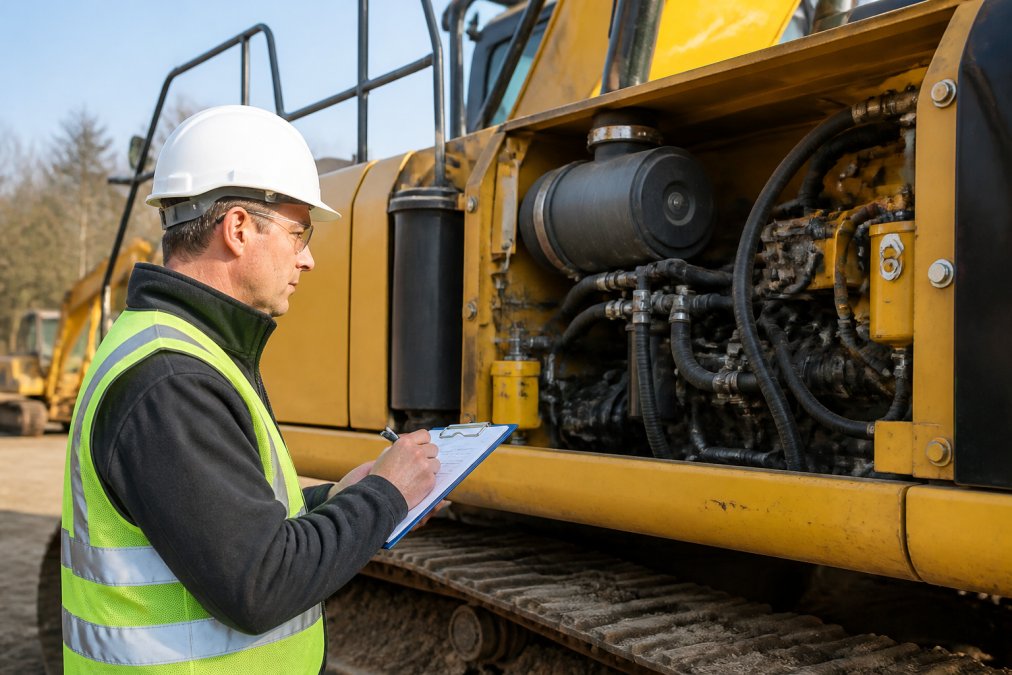
Arrange third-party inspection if the buyer requests it. Many serious buyers will hire an independent inspector to verify the equipment's condition before finalizing payment. This inspection typically costs several hundred dollars, and you should clarify upfront who pays for it. Some sellers include inspection costs in their pricing; others require the buyer to cover this expense.
Coordinate freight logistics carefully. Heavy machinery requires specialized transport equipment, flatbed trucks, lowboys, or heavy haul trailers depending on equipment size and weight. Get multiple transport quotes before committing. Transport costs can range significantly based on distance and equipment specifications (dot.gov). Clarify whether you're arranging transport, the buyer is, or you're splitting the cost.
Use secure payment methods for high-value transactions. Wire transfers are common for equipment sales but carry fraud risk if you're not careful. Verify the buyer's identity and banking information independently before accepting payment. Never release equipment until payment has actually cleared, not just been initiated.
Consider escrow services for large transactions. An escrow service holds payment until both parties confirm the transaction terms have been met. This protects both seller and buyer. The service charges a fee, typically split between parties, but the security is often worth the cost for equipment valued above a certain threshold.
Document the equipment's condition at the time of pickup. Take photos showing the equipment's state before transport. This protects you from claims that damage occurred during your ownership rather than during transport.
Arrange for title transfer and any necessary documentation before the buyer takes possession. Verify that all paperwork is in order so the buyer can legally operate the equipment. For cross-border sales, confirm that all required customs documentation or interstate transfer forms are completed.
Keep detailed records of all communication, agreements, and transaction details. Document payment confirmation, inspection results, transport arrangements, and delivery confirmation. These records protect you if disputes arise after the sale.
Selling heavy equipment online requires preparation, clear communication, and attention to transaction details. When you list machinery online through a platform like EquipMarket, you gain access to qualified buyers across the country while maintaining control over negotiations and deal terms. The platform's verified seller network and direct communication tools mean you can arrange inspections, negotiate prices, and coordinate logistics on your own terms, without intermediaries taking a percentage of your sale. Start selling today and reach the buyer pool actively searching for equipment like yours.
Frequently Asked Questions
What information is required to list machinery online?
When you list machinery online, include the equipment type, make, model, year of manufacture, operating hours, current condition, maintenance history, and serial number for verification. Add clear specifications like dimensions, weight, and engine power. Include photos from multiple angles and a detailed description of any wear, repairs, or recent service. Accurate, complete information builds buyer confidence and reduces inquiry time.
How do I determine the value of used construction machinery?
Research comparable equipment listed on active marketplaces to establish a baseline. Consider depreciation based on age and operating hours, current market demand for that equipment type, condition and maintenance history, and any recent repairs or upgrades. Tools like EquipMarket's value estimator help you benchmark pricing. Check what similar models sold for in recent months, not just asking prices. Overpricing delays sales; underpricing leaves money on the table.
How long does it typically take to sell equipment after listing?
Selling timelines vary based on equipment type, condition, price competitiveness, and market demand. Well-photographed, accurately described listings with competitive pricing often attract serious inquiries within days. Heavy, specialized equipment may take longer than popular models like excavators or dozers. Faster sales depend on clear communication, responsive negotiation, and willingness to arrange inspections. Accurate specifications and transparent condition details reduce back-and-forth and speed up buyer decisions.
How do I safely handle payments for heavy equipment sales?
Use secure payment methods such as wire transfer through established banking channels, escrow services that hold funds until inspection and delivery are confirmed, or third-party payment processors that verify buyer identity. Never accept payment before the buyer completes an on-site inspection or arranges a third-party inspection. Require a bill of sale and title transfer documentation before releasing equipment. Verify funds have cleared before arranging freight logistics. Direct communication through verified marketplace platforms adds an additional layer of fraud protection.