 how-to
How to Sell Heavy Machinery Fast: 7 Proven Strategies
Table of Contents
- Determine Your Equipment's Market Value
- Prepare Your Heavy Machinery for Sale
- How to Write a Heavy Equipment Sales Listing
- Choose Your Selling Method: Private Sale vs. Heavy Equipment Auctions
- Price Competitively and Negotiate Strategically
- Vet Buyers and Prevent Scams
- Handle Shipping, Documentation, and Payment
- Supporting Keywords Coverage
- Frequently Asked Questions
Last Updated: August 30, 2026
Determine Your Equipment's Market Value
Understanding your heavy machinery's worth is the first step to selling it quickly. Market value depends on equipment type, age, operating hours, condition, brand reputation, and current demand. Well-maintained equipment with documented service records commands higher prices than similar machines with spotty maintenance histories.
Research comparable equipment across multiple marketplaces to establish a realistic price range. Operating hours matter significantly, a 2,000-hour excavator is worth considerably more than a 5,000-hour machine of the same model and year. Pay attention to seasonal trends, as construction activity peaks at certain times, affecting demand and pricing.
Consider getting a professional appraisal for expensive machinery. An independent equipment appraiser provides documentation that builds buyer confidence and justifies your asking price, especially valuable for high-ticket items where buyers hesitate without third-party verification.
EquipMarket's value estimator tool helps you benchmark your equipment against current market listings. By inputting your machine's specifications and condition details, you'll see where your equipment falls in the current market, removing guesswork and helping you price competitively from day one.
Prepare Your Heavy Machinery for Sale
Clean and inspect thoroughly
Presentation matters enormously when selling heavy equipment. A neglected-looking machine, even if it runs perfectly, raises red flags for potential buyers. Start with thorough cleaning: remove accumulated dirt, mud, and debris from the exterior, engine compartment, cab, and undercarriage. Pressure wash carefully (avoiding sensitive electrical components) and polish chrome or stainless steel parts.
Inspect systematically. Check hydraulic lines for leaks or damage, test all moving parts and controls, examine tires or tracks for wear, and verify lights and safety equipment function properly. Document any issues you find. Decide whether to fix problems before selling or disclose them clearly and adjust your price accordingly. Buyers appreciate transparency far more than hidden problems discovered during inspection.
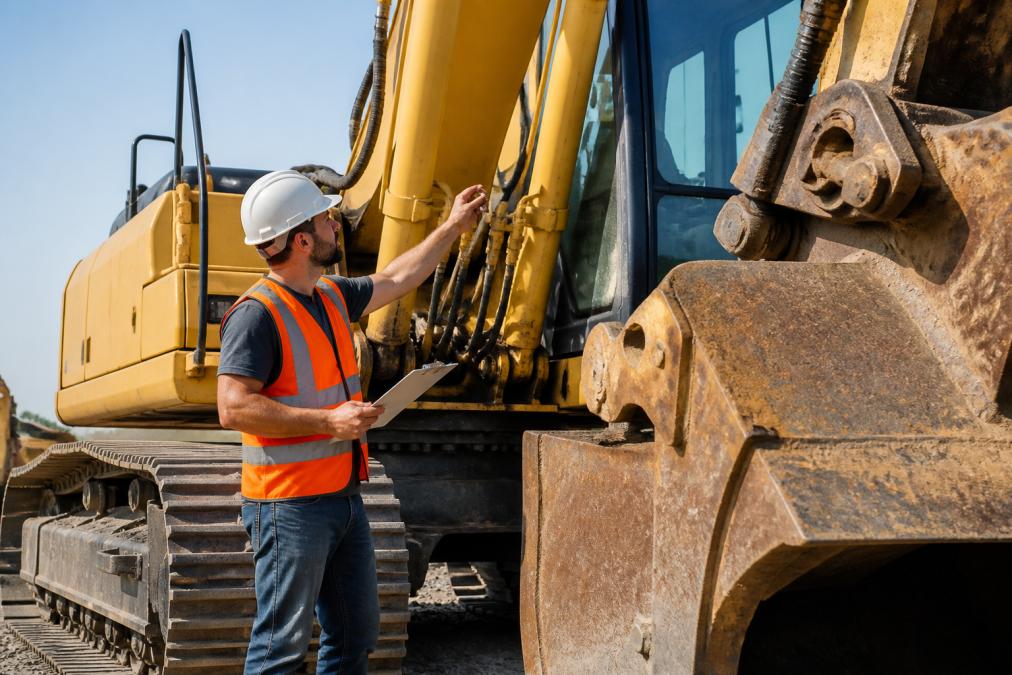
Take photographs from multiple angles during this phase. Shoot in natural daylight to show true colors and condition.
Document service records and maintenance history
Service records are gold when selling heavy equipment. They prove you've maintained the machine properly and give buyers confidence in its reliability. Gather all maintenance logs, repair receipts, parts replacements, and inspection reports. Organize these chronologically so potential buyers can see a clear maintenance timeline.
Include documentation of major work: engine overhauls, transmission rebuilds, hydraulic system repairs, or track/tire replacements. Dealership or certified technician records carry extra weight. If maintenance records are incomplete, document what you remember and be honest about gaps.
How to Write a Heavy Equipment Sales Listing
Include critical specifications
Your listing must include complete, accurate specifications. Buyers filter by these details, so missing information means your equipment won't appear in their searches. Include model number, year manufactured, operating hours, engine size, horsepower, bucket capacity, and any attachments included in the sale.
List the equipment's condition honestly using standard terminology: "Excellent" means minimal wear and full functionality; "Good" indicates normal wear but no major issues; "Fair" means visible wear and possible minor repairs needed; "As-is" means you're selling without warranty.
Specify what's included: Are attachments included? Does the sale include spare parts? Will you provide training? Include location information, as buyers factor transportation costs into their decisions.
Use high-quality photography
Photographs are your most powerful selling tool. Take photos from multiple angles: front, rear, sides, elevated view, close-ups of wear areas, cab interior, and attachments. Shoot during daylight with clear skies. Include photos of the engine compartment, hydraulic systems, cab interior, controls, and any damage or wear. Clean the cab before photographing.
Avoid photos taken in poor lighting, from awkward angles, or with obstructed views. Take 15-20 photos and select the 8-12 best for your listing.
Choose Your Selling Method: Private Sale vs. Heavy Equipment Auctions
A private sale typically takes longer but generates higher proceeds because you avoid auction commissions. You control the price, timeline, and buyer vetting. Auction platforms move equipment faster by attracting large buyer audiences and creating bidding urgency, but typically charge 10-15% commission, significantly reducing your net proceeds.
Online marketplaces like EquipMarket bridge these approaches. You list at your asking price, reach a national audience of qualified buyers, and maintain direct communication and negotiation control while avoiding auction commissions. This method balances speed and proceeds better than purely private sales or traditional auctions.
Consider your timeline and financial needs. If you need to move equipment within 30 days, auction or aggressive marketplace pricing accelerates sales. If you can wait 60-90 days, a private sale at a higher asking price often nets more money. For the fastest sale at a reasonable price with buyer verification, marketplace platforms offer the best middle ground.
Price Competitively and Negotiate Strategically
Pricing is the single biggest factor in how fast your equipment sells. Research current market listings regularly to stay updated on pricing trends. If similar equipment is sitting unsold at high prices, price more aggressively.
Consider pricing slightly below market value if your goal is speed. A machine priced $2,000 below comparable listings will generate significantly more inquiries. You'll likely negotiate up anyway, and the faster sale reduces carrying costs and uncertainty.
Build negotiation flexibility into your asking price. Price at the high end of your acceptable range, not at the absolute minimum you'd accept. This gives you room to negotiate down while still achieving your target proceeds.
Be prepared to justify your price with specific reasons backed by documentation. Consider what concessions matter to different buyers: some accept lower prices for immediate payment, others want financing options or will pay more if you arrange transportation.
Vet Buyers and Prevent Scams
Not every inquiry represents a legitimate buyer. Scammers target equipment sellers by posing as serious buyers, arranging fake inspections, or making payments that later reverse.
Verify buyer credentials early. Ask about their business background, construction projects, and equipment needs. Legitimate commercial buyers can discuss their operations and explain why they need your equipment. Check if they're registered as a business in their state and whether they have a legitimate website or online presence.
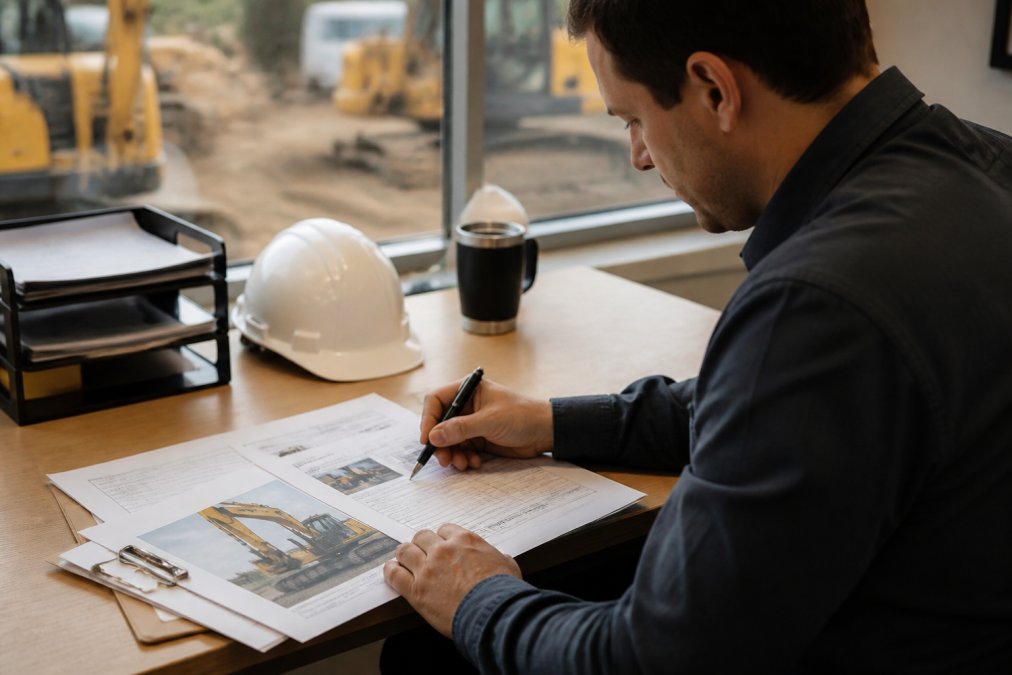
Require in-person inspections before committing to a sale. Never accept payment from a buyer who hasn't physically inspected the equipment. Legitimate buyers understand that heavy equipment inspection is non-negotiable.
During inspection, watch for red flags. A buyer who seems uninterested in the equipment's condition, who doesn't ask technical questions, or who rushes the process may not be legitimate. Real buyers examine the machine thoroughly and ask detailed questions about maintenance and operation.
Accept payment only through secure methods. Bank transfers from verified business accounts are safest. Avoid wire transfers to unfamiliar recipients, cashier's checks, or cryptocurrency. For large transactions, consider using an escrow service that holds funds until both parties confirm the sale is complete.
Document everything in writing. Get the buyer's name, business information, and contact details. Create a bill of sale that includes equipment specifications, sale price, payment terms, and any warranties or "as-is" disclaimers. Both parties should sign and keep copies.
Handle Shipping, Documentation, and Payment
Once you've agreed on a price with a verified buyer, manage logistics carefully. Decide early whether you'll arrange transportation or the buyer handles it. Transportation costs are significant for heavy equipment, so clarify responsibility before finalizing the sale.
If you're arranging shipping, get quotes from equipment transporters. Costs vary based on distance, equipment weight, and pickup/delivery locations. Clarify whether the buyer covers shipping costs or if you include it in the sale price.
For equipment crossing state lines, understand any documentation requirements. Verify what paperwork your state requires for equipment sales and ensure you have all necessary documents before the sale.
Handle the title transfer properly. If your equipment has a title, ensure the buyer receives a clean title with no liens. If there are outstanding loans, pay them off before transferring the title.
Create a comprehensive bill of sale that documents the transaction. Include equipment specifications, serial numbers, sale price, payment terms, condition ("as-is" or with any warranty), and what's included. Both parties sign and keep copies.
Process payment securely. For large amounts, bank transfers from verified business accounts are safest. Confirm the funds have cleared before releasing the equipment. Never hand over equipment before confirming payment is actually received and available.
After payment clears, provide all documentation to the buyer: original bill of sale, title (if applicable), maintenance records, operator manuals, and any warranty information.
Selling heavy machinery fast requires preparation, honest pricing, and buyer verification. Start by determining accurate market value through research and professional appraisal if needed. Prepare your equipment thoroughly with cleaning, inspection, and documented maintenance history. Write a detailed listing with complete specifications and high-quality photos. Choose a selling method that balances speed and proceeds for your situation. Price competitively to generate buyer interest. Vet buyers carefully to prevent scams. Handle documentation and payment securely.
EquipMarket simplifies this entire process by connecting you with qualified, verified buyers across the country. The platform's advanced search filters ensure your equipment reaches the right audience, and direct communication tools let you negotiate deals on your terms. With EquipMarket's value estimator and verified buyer network, you can sell your heavy equipment faster while maintaining control over pricing and buyer selection. Start Selling Today and join thousands of sellers.
Supporting Keywords Coverage
This guide covers heavy equipment auctions by comparing auction platforms with private sales and marketplace options, explaining how each method affects speed and proceeds. How to write a heavy equipment sales listing is addressed in the dedicated section covering specifications, photography, and presentation strategies. Used construction equipment valuation is covered in the market value determination section with guidance on research and appraisal approaches. Preparing heavy equipment for sale receives comprehensive coverage in the dedicated preparation section, including cleaning, inspection, and documentation requirements.
Equipment valuation guidelines from the National Association of Equipment Leasing Professionals
Heavy equipment transportation regulations from the Department of Transportation
Frequently Asked Questions
How do I determine the fair market value of heavy machinery?
Start by researching comparable machines currently listed on marketplaces like EquipMarket, checking operating hours, age, condition, and attachments. Factor in depreciation. Review recent sales data for similar models in your region. Consider hiring a professional equipment appraiser for high-value assets. Document all service records and maintenance history, as well-maintained machines command higher prices. Your equipment's market value depends on brand reputation, remaining useful life, and current demand in your sector.
What's the fastest way to sell heavy machinery?
The fastest method combines aggressive pricing, professional listing optimization, and active buyer outreach. Price competitively to attract immediate interest. Use high-quality photos and detailed specifications in your listing. List on multiple platforms simultaneously, including EquipMarket, to maximize exposure. Respond to inquiries within hours. Consider accepting as-is condition to reduce negotiation time. Heavy equipment auctions can also move inventory quickly if you're willing to accept lower prices. Private sales typically take longer but may yield better returns if you're not under time pressure.
Do I need a bill of sale and title transfer documentation?
Yes. A bill of sale is essential for any heavy machinery sale and protects both buyer and seller by documenting the transaction, price, equipment details, and serial numbers. Title transfer requirements vary by state and equipment type. Some heavy equipment doesn't require a formal title, but you must provide proof of ownership and a lien release if the machine is financed. Consult your state's regulations and consider using a legal template to ensure compliance. Proper documentation speeds up the sale process and reduces disputes.
What should I include in my equipment listing to sell faster?
Include the manufacturer, model, year, operating hours, and serial number prominently. Describe the machine's condition honestly (as-is, excellent, fair). List all attachments included in the sale. Provide maintenance records, service history, and any recent repairs. Add 8-12 clear photos showing the equipment from multiple angles, close-ups of damage or wear, and the cab or controls. Include dimensions, weight, and fuel type. Be specific about what's included and what's not. Accurate, detailed listings attract serious buyers and reduce back-and-forth questions, speeding up the sale process.