 how-to
How to Transport Heavy Machinery Safely and Affordably
Table of Contents
- Assess Your Machinery and Transport Needs
- Heavy Equipment Transport Options and Trailer Types
- How to Secure Equipment on a Trailer
- Prepare Machinery for Transport
- Heavy Equipment Shipping Cost and Affordability
- Cheapest Way to Ship Heavy Equipment
- Insurance, Documentation, and Damage Protection
- Safety Checklist and Loading Best Practices
- Frequently Asked Questions
Last Updated: October 4, 2026
Assess Your Machinery and Transport Needs
Before you transport heavy machinery, understand its weight, dimensions, and fragility, these determine which transport method works best.
Start by documenting these details:
- Total weight of the machinery
- Length, width, and height measurements
- Whether the equipment has protruding parts or delicate components
- Current location and final destination
- Timeline for pickup and delivery
A 5-ton excavator needs different handling than a 50-ton bulldozer. Regional distance and seasonal weather affect cost and logistics significantly.
Plan for at least one week before transport to arrange permits, secure insurance, and choose the right carrier. Rushing leads to mistakes and higher costs.
Heavy Equipment Transport Options and Trailer Types
Different equipment requires different trailers. Understanding your options helps you avoid unnecessary costs and inadequate solutions.
Flatbed and Open Trailers
Flatbed trailers are the most common choice when you need to transport heavy machinery. These open-deck trailers work well for durable machinery that doesn't need weather protection.
Flatbed trailers come in standard sizes:
- Standard flatbed: 48 feet long, 8.5 feet wide, holds up to 45,000 pounds
- Tandem axle flatbed: increased weight capacity for heavier loads
- Drop deck flatbed: lower deck height for taller equipment
Flatbeds cost less and are easier to load, but machinery stays exposed to weather and debris. Open transport works best for durable equipment.
Enclosed and Specialized Heavy-Haul Trailers
Enclosed trailers protect machinery from weather and damage. Choose them for equipment sensitive to moisture, temperature, or dust.
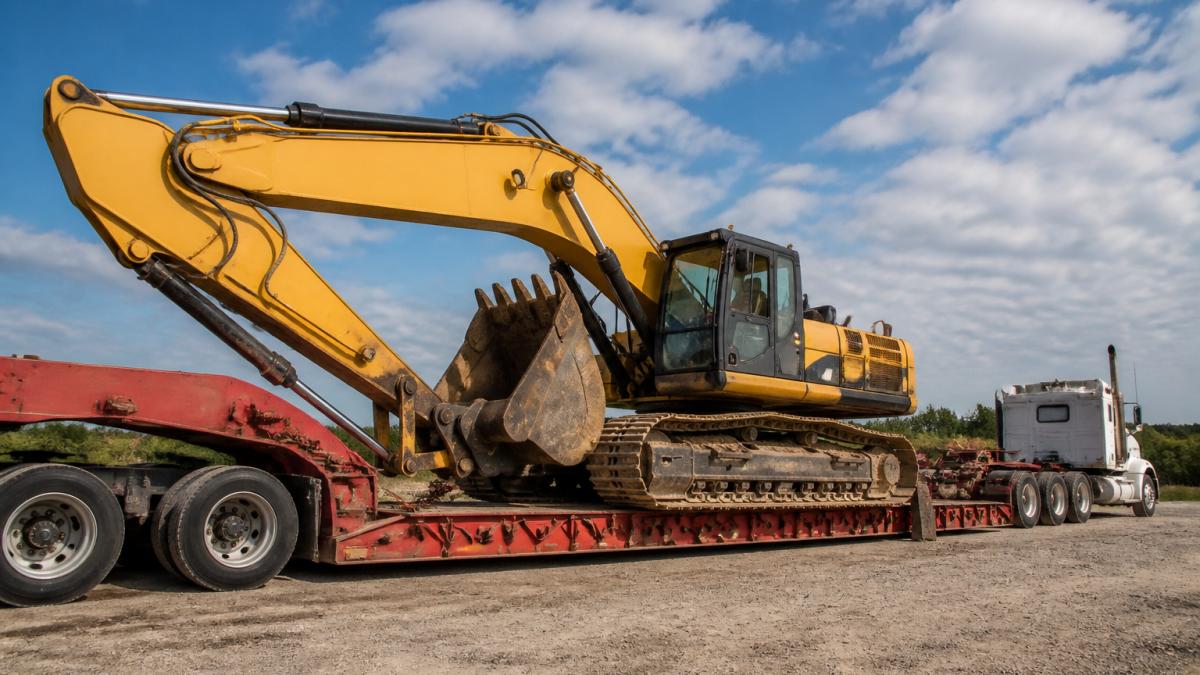
Specialized heavy-haul trailers (lowboy, step-deck, hydraulic) handle oversized or extremely heavy loads. They cost more than flatbeds but are necessary for high-value or sensitive equipment.
Roll-On/Roll-Off and Rail Transport
Roll-on/roll-off (RoRo) transport lets equipment drive onto a trailer under its own power, reducing loading costs. Rail transport moves massive loads cost-effectively across long distances but requires rail access at both ends.
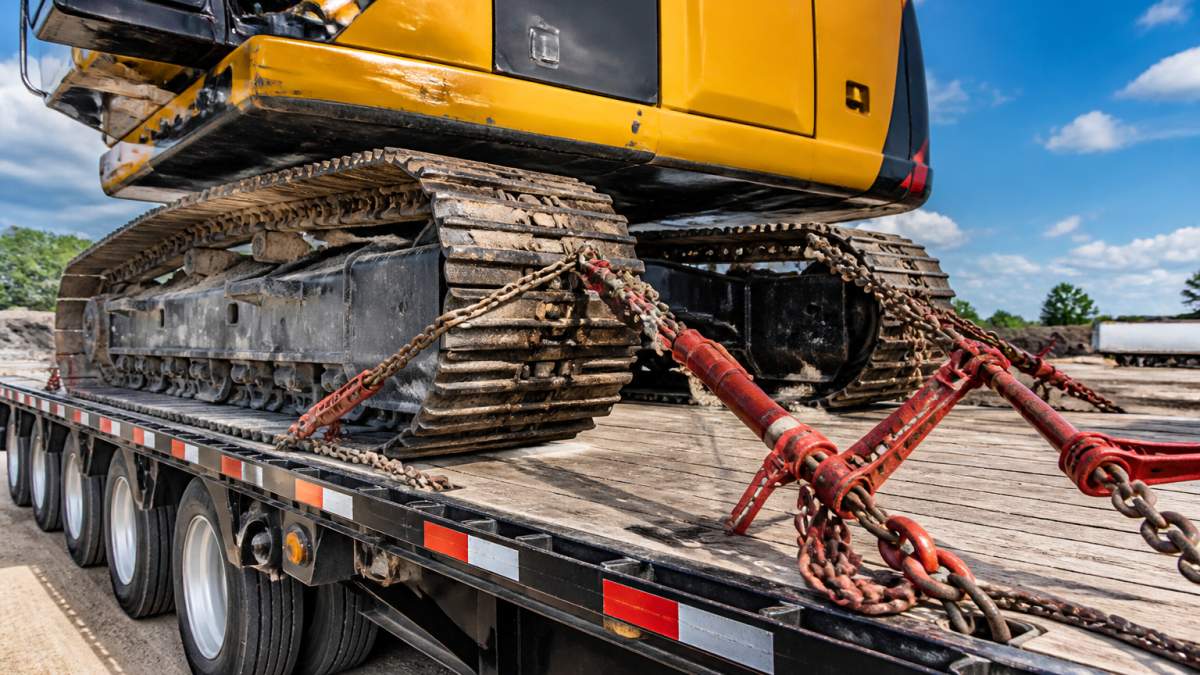
How to Secure Equipment on a Trailer
Proper securing prevents load shifting, which can damage equipment, delay delivery, and create safety hazards.
Choosing the Right Tie-Downs and Chains
Choose heavy-duty straps and chains rated for your load weight to handle acceleration, braking, and road vibration.
Use these securing methods:
- Heavy-duty chains: rated for your equipment's weight plus safety margin
- Ratchet straps: adjustable tension, easy to tighten during transport
- Cable tie-downs: flexible for irregular equipment shapes
- Specialized clamps: designed for specific equipment types
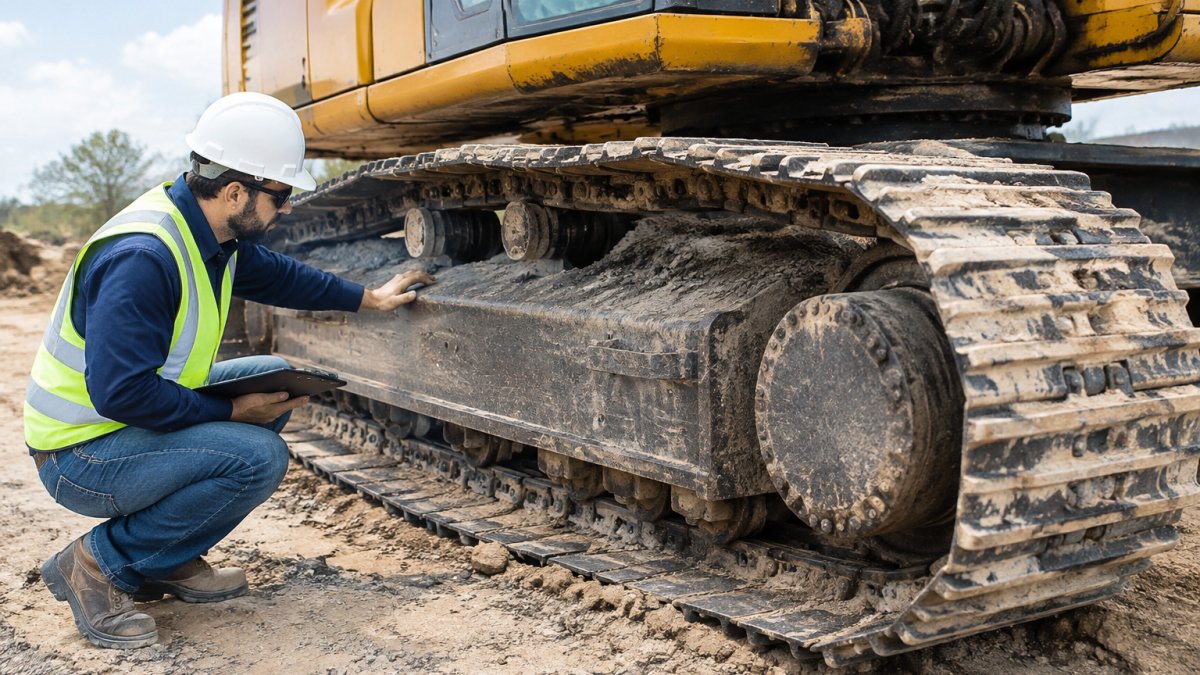
Use at least four anchor points for most equipment; heavier or taller machinery needs six or more. Check tie-downs for rust, fraying, or bent links before use.
Preventing Load Shifting During Transit
Prevent load shifting by distributing weight evenly, securing to multiple anchor points, using blocking materials, and tightening all tie-downs before departure. Center heavy equipment on the trailer and check tie-downs at rest stops.
Prepare Machinery for Transport
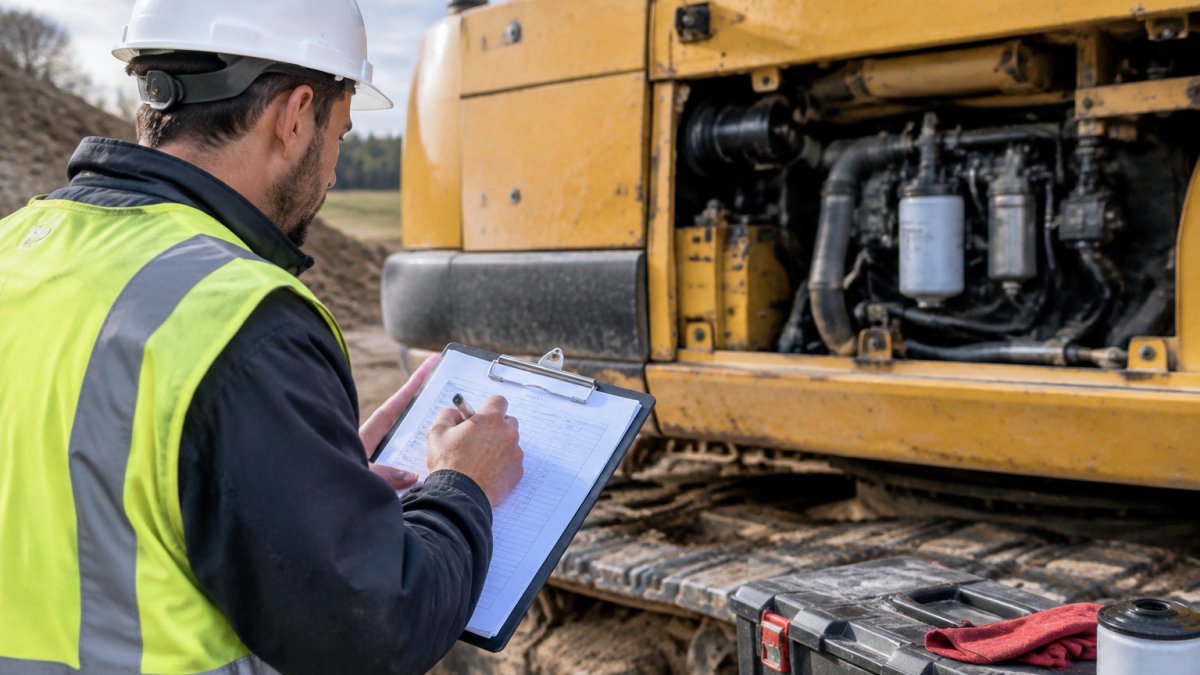
Complete these preparation tasks: drain all fluids, remove or secure loose parts, partially deflate tires, document condition with photos, and disable alarms. Draining fluids prevents spills; documenting condition protects you against damage claims.
Heavy Equipment Shipping Cost and Affordability
Transport cost depends on multiple factors. Understanding these factors helps you estimate expenses and find affordable options. The key is learning to calculate a realistic quote and compare carrier bids side-by-side.
Cost Factors and Estimation Worksheet
Heavy equipment transport pricing varies widely. Distance, equipment weight, trailer type, and route complexity all affect cost. A 100-mile local move costs far less than a 1,000-mile interstate transport.
Key cost factors:
- Distance: longer routes cost more; most carriers charge $2-$5 per mile for standard equipment on flatbeds, but specialized or oversize loads can reach $8-$15+ per mile
- Equipment weight: heavier loads require specialized trailers (lowboys, step-decks) that cost 40-60% more than standard flatbeds
- Trailer type: enclosed trailers cost 30-50% more than open flatbeds; hydraulic or adjustable trailers add another 20-40%
- Pickup and delivery locations: urban areas cost less; rural or remote locations add 15-25% due to longer dead-head time for the carrier
- Route complexity: mountain passes, narrow roads, and low-clearance bridges increase costs 20-40% and may require pilot cars or escorts
- Seasonal demand: peak construction season (spring-summer) costs 20-30% more than off-season; winter weather can add delays and surcharges
- Permits and escorts: oversized loads require state permits ($50-$500+ depending on state and distance) and pilot cars ($500-$2,000+ per day)
Worked Example: Estimating a Real Shipment
Let's estimate transport for a 35-ton excavator moving 450 miles from a rural construction site to an urban equipment yard.
Equipment and Route Details:
- Weight: 35 tons (70,000 lbs)
- Dimensions: 35 feet long, 10 feet wide, 12 feet tall
- Distance: 450 miles
- Pickup: rural location (15 miles from nearest major highway)
- Delivery: urban equipment yard with loading dock
- Timeline: standard 5-7 day delivery acceptable
- Season: mid-June (peak season)
Cost Calculation:
| Component | Calculation | Estimated Cost |
|---|---|---|
| Base mileage rate | 450 miles × $4/mile (standard flatbed) | $1,800 |
| Oversize permit | State permit for 10-foot width | $150 |
| Pilot car escort | Not required (under 12 feet wide, under 80,000 lbs) | $0 |
| Rural pickup surcharge | 15-mile dead-head from highway | $200 |
| Loading assistance | Operator present, minimal crane use | $300 |
| Fuel surcharge | 3-5% depending on fuel prices | $90-$150 |
| Total Estimated Cost | $2,540-$2,600 |
This estimate assumes standard flatbed transport and no overnight stops. If the excavator required enclosed transport (sensitive paint or hydraulics), add $800-$1,200. If the route included mountain passes requiring a pilot car, add $1,000-$2,000.
How to Request and Compare Carrier Quotes
Once you've estimated your baseline cost, contact 3-5 carriers for formal quotes. Provide each carrier with identical information to ensure fair comparison:
- Equipment details: exact weight, dimensions, and photos
- Pickup location: full address and site access details (gate hours, loading equipment available, ground conditions)
- Delivery location: full address, dock access, and unloading requirements
- Timeline: desired pickup and delivery dates
- Special handling: fluid draining, tie-down preferences, or equipment-specific concerns
When comparing quotes, look for these hidden costs:
- Fuel surcharges: some carriers add 3-8% based on current diesel prices; confirm whether this is included or added later
- Permit costs: verify whether the carrier includes state permits or bills them separately
- Accessorial fees: loading, unloading, waiting time, or overnight parking should be itemized
- Insurance: confirm cargo coverage limits and whether additional insurance is available
- Cancellation or delay fees: understand penalties if you need to reschedule
The cheapest quote is not always the best value. A carrier quoting $2,200 but lacking cargo insurance or requiring you to arrange permits may cost more in the end. Compare total out-of-pocket cost, not just the base rate.
Timing and Seasonal Savings
Shipping during off-peak seasons (late fall, winter, early spring) can save 15-30% compared to summer rates. If your timeline allows flexibility, plan equipment transport for slower construction periods. Conversely, if you must ship during peak season, book 2-3 weeks in advance to avoid emergency pricing.
Weekday pickups often cost less than weekend or holiday moves. Confirm your carrier's scheduling flexibility before committing.
Cheapest Way to Ship Heavy Equipment
Cost-conscious businesses explore multiple shipping strategies. Some approaches save money without sacrificing safety.
DIY Versus Hiring a Professional Carrier
Renting a trailer and hiring an independent driver costs less than using a full-service carrier. However, you assume more responsibility and risk.
DIY transport advantages:
- Lower overall cost
- More control over timing and route
- Direct communication with the driver
DIY transport disadvantages:
- You're responsible for permits and regulations
- Insurance coverage becomes your responsibility
- Equipment damage claims fall on you
- Finding reliable drivers takes time
Professional carriers handle everything. They manage permits, insurance, and regulations. This convenience costs more but reduces your liability and stress.
For most businesses, professional carriers offer better value despite higher costs. The liability protection and regulatory compliance justify the expense.
Route Planning and Permit Requirements
Oversized loads require special permits in most states. The route you choose determines permit costs and complexity.
Plan your route by:
- Using oversized load routing software
- Checking state transportation department requirements
- Identifying low-clearance bridges and weight-restricted roads
- Planning rest stops and overnight parking
- Accounting for seasonal road closures
Oversized load permits vary by state. Some states charge flat fees. Others charge based on vehicle weight or distance traveled. Route planning that avoids weight-restricted roads saves on permit costs.
Many carriers include permit costs in their quotes. Confirm what's included before agreeing to transport.
Insurance, Documentation, and Damage Protection
Insurance protects your equipment investment. Documentation proves condition before and after transport.
Proper insurance coverage includes:
- Cargo insurance: covers equipment damage during transport
- Liability insurance: covers damage to other property
- Carrier insurance: the transport company's coverage
Confirm insurance details before transport begins. Ask the carrier for proof of coverage.
Document equipment thoroughly:
- Take photos from multiple angles before pickup
- Record video showing equipment operation and condition
- Create a written condition report
- Keep all documentation until delivery is complete
If damage occurs during transport, your documentation proves the equipment's condition before transport. This protects you in damage claims.
File damage claims immediately after discovering problems. Most carriers require claims within 30 days of delivery.
Safety Checklist and Loading Best Practices
Use this checklist before every equipment transport:
Pre-Transport Checklist:
- Confirmed equipment weight and dimensions
- Selected appropriate trailer type
- Drained all fluids from equipment
- Removed or secured loose parts
- Documented equipment condition with photos
- Obtained necessary permits
- Confirmed insurance coverage
- Arranged tie-downs and securing equipment
Loading Best Practices:
- Position equipment for weight distribution
- Use proper loading equipment (forklifts, cranes)
- Secure all tie-downs before transport
- Check tie-downs at rest stops
- Follow carrier's loading instructions
- Verify load stability before departure
- Confirm driver understands special handling needs
Frequently Asked Questions
How much does it cost to transport heavy equipment?
Transport costs depend on machinery weight, dimensions, distance, trailer type, and whether the load requires permits or oversized load handling. Transport costs can vary significantly. Get a shipping quote from carriers based on your specific machinery specifications and route to receive an accurate estimate.
What is the cheapest way to ship heavy equipment?
Open flatbed trailers are typically the most affordable option for standard machinery. Consolidating your shipment with other loads, choosing less direct routes, and avoiding peak seasons can reduce costs further. However, the lowest price isn't always the best choice if your machinery requires protection or specialized handling. Balance cost savings against the risk of damage and the specific requirements of your equipment.
How should heavy machinery be secured for transport?
Use heavy-duty chains, straps, or cable tie-downs rated for your equipment's weight. Position tie-down points at the machinery's center of gravity to prevent tipping. Secure from multiple angles, front, back, and sides, to prevent load shifting. Add blocking or bracing between the equipment and trailer bed. Inspect all securing hardware before departure and ensure the load doesn't exceed the trailer's weight capacity.
What permits do I need to transport oversized heavy equipment?
Oversized or overweight loads require permits from the Department of Transportation and state highway authorities. Permit requirements vary by state and depend on load weight, width, and height. Most states require permits for loads exceeding specific weight or dimension thresholds. Contact your state's DOT office or work with your carrier, who typically handles permit acquisition as part of the transport service.
Transporting heavy machinery safely requires planning, the right equipment, and attention to detail. Equipment Finance Academy helps businesses access the capital needed for equipment purchases and upgrades. When you need machinery quickly, fast financing lets you acquire the right equipment for your projects. Explore financing options that match your timeline and budget, so you can focus on what matters: getting your equipment where it needs to go.