 listicle
IronPlanet Alternative for Construction Firms: 5 Top Picks
Table of Contents
- Why Construction Firms Are Searching for an IronPlanet Alternative
- Quick Comparison: Top IronPlanet Alternatives for Construction Firms
- 1. Boom & Bucket: Best for Verified Inspection Reports
- 2. Mascus: Best for International Inventory Volume
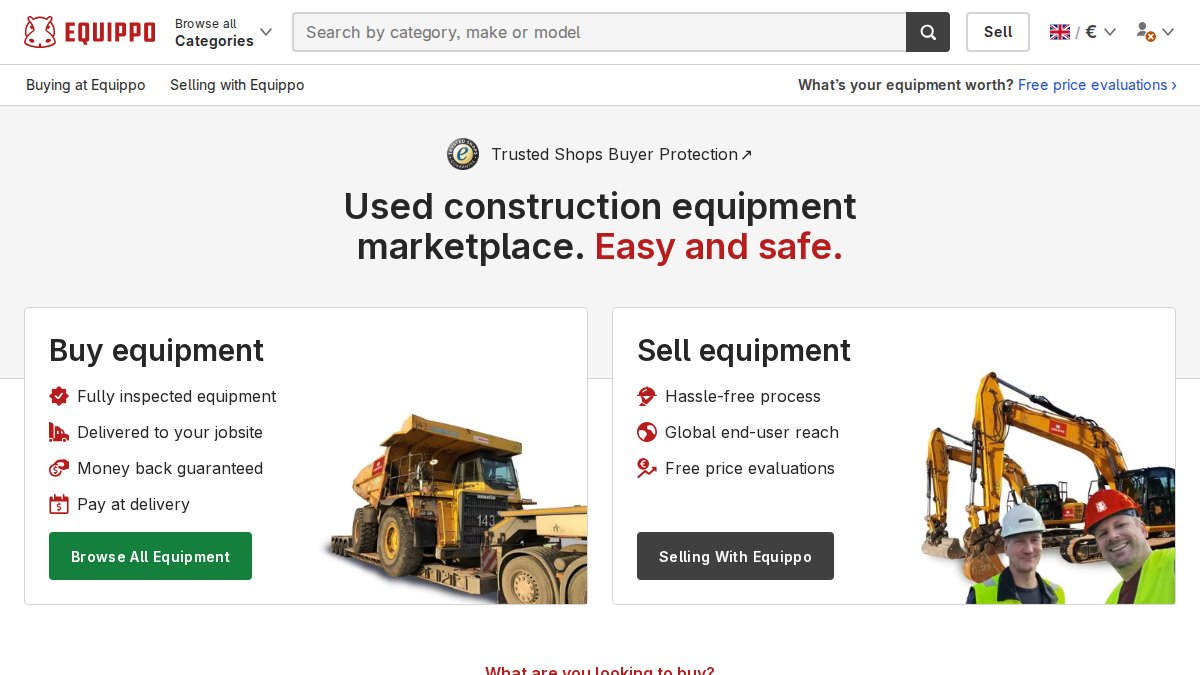
- 3. Equippo: Best for Buyer Protection and Fixed Pricing
- 4. Machinery Pete: Best for Auction Price Data and Valuation
- 5. Fastline: Best for Financing-Ready Purchases
- Used Heavy Machinery Financing: What to Know Before You Buy
- Frequently Asked Questions
Last Updated: September 15, 2026
Why Construction Firms Are Searching for an IronPlanet Alternative
Construction firms are actively looking for an IronPlanet alternative because the platform's auction-first model no longer fits how many contractors want to buy. Auctions reward speed and nerve; procurement teams need predictable pricing, verified equipment condition, and financing that closes on a schedule.
The bidding process can be exhausting, and the total cost is hard to pin down until the hammer falls. That uncertainty matters more now, because capital expenditure on iron is one of the largest line items a construction business carries, and depreciation on earthmoving equipment is steep.
Below, we break down five platforms worth your attention, what each does best, and where each falls short. We also cover used heavy machinery financing, because the best marketplace in the world is useless if you cannot fund the purchase. Equipment Finance Academy provides Quick Equipment Financing, accessing the nation's top equipment lenders and a tech-powered financing marketplace, with approvals in hours and funding same-day.
Quick Comparison: Top IronPlanet Alternatives for Construction Firms
The best IronPlanet alternative depends on whether you prioritize verified inspection reports, inventory volume, buyer protection, price data, or financing. Each platform below leads on a different strength, and most construction firms end up using two of them rather than one.
| Platform | Pricing Model | Standout Feature | Best For |
|---|---|---|---|
| Boom & Bucket | Commission-based | Detailed inspection reports | Verified condition |
| Mascus | Listing or subscription fee | Global listing volume | Inventory variety |
| Equippo | Transaction-based | Money-back guarantee | Risk mitigation |
| Machinery Pete | Listing fee, free tier | Historical auction data | Valuation research |
| Fastline | Listing fee | Integrated financing partners | Financing-ready buys |
What the Table Does Not Tell You: The Real Cost of a Platform Choice
Purchase price is the number everyone compares, but it is rarely the number that decides whether a machine was a good buy. The platforms above differ most in three areas the table cannot capture: total cost of ownership, integration with your existing project workflow, and how each one handles risk when something goes wrong.
Total cost of ownership. A machine bought $8,000 cheaper at auction can cost more over five years once you add freight, a pre-delivery inspection, undercarriage work, and the downtime while it sits in the shop. When you compare platforms, build a simple TCO line for each candidate unit: purchase price + buyer's premium or commission + freight + any immediate repairs + estimated annual maintenance + fuel + projected resale value at your planned hold period. The platform with the highest sticker price is sometimes the cheapest option on that line.
Integration with construction management software. Most firms run estimating, scheduling, and job costing in tools like Procore, Buildertrend, or Sage 100 Contractor. None of the marketplaces above plug directly into those systems, which means equipment cost data has to be re-keyed manually into job cost codes. The practical workaround is to standardize how you record equipment acquisitions, asset ID, purchase price, financing terms, and assigned job, so the data can be imported in one batch rather than typed line by line. Firms that skip this step lose visibility into true equipment cost per job, which is where margin quietly disappears.
Risk mitigation and fraud protection. On listing-only platforms, the burden of vetting the seller and confirming the title falls on you. A few habits reduce the risk substantially:
- Request the serial number and verify it against the manufacturer's dealer network or a title search before any deposit moves.
- Ask for a lien search on the unit; equipment can carry a UCC filing from a prior lender even when the seller owns it outright.
- Use escrow for any transaction where you have not physically inspected the machine or met the seller.
- Photograph the hour meter, the data plate, and any visible damage at pickup, and keep those images with the bill of sale.
Sustainability and fleet electrification. A growing share of public and large commercial work now includes emissions or idle-reduction requirements in the bid documents. If your firm pursues that work, filter listings for Tier 4 Final engines at minimum, and start tracking which platforms carry electric or hybrid units, compact excavators and telehandlers are the categories where electrified inventory is appearing first. Buying a Tier 2 machine at a discount can be a false economy if it disqualifies you from the next bid.
1. Boom & Bucket: Best for Verified Inspection Reports
Boom & Bucket is the strongest pick for buyers who have been burned by listings that looked nothing like the machine that showed up. Every unit goes through a documented inspection before it is listed, and the platform handles escrow and shipping coordination so you are not wiring money to a stranger.
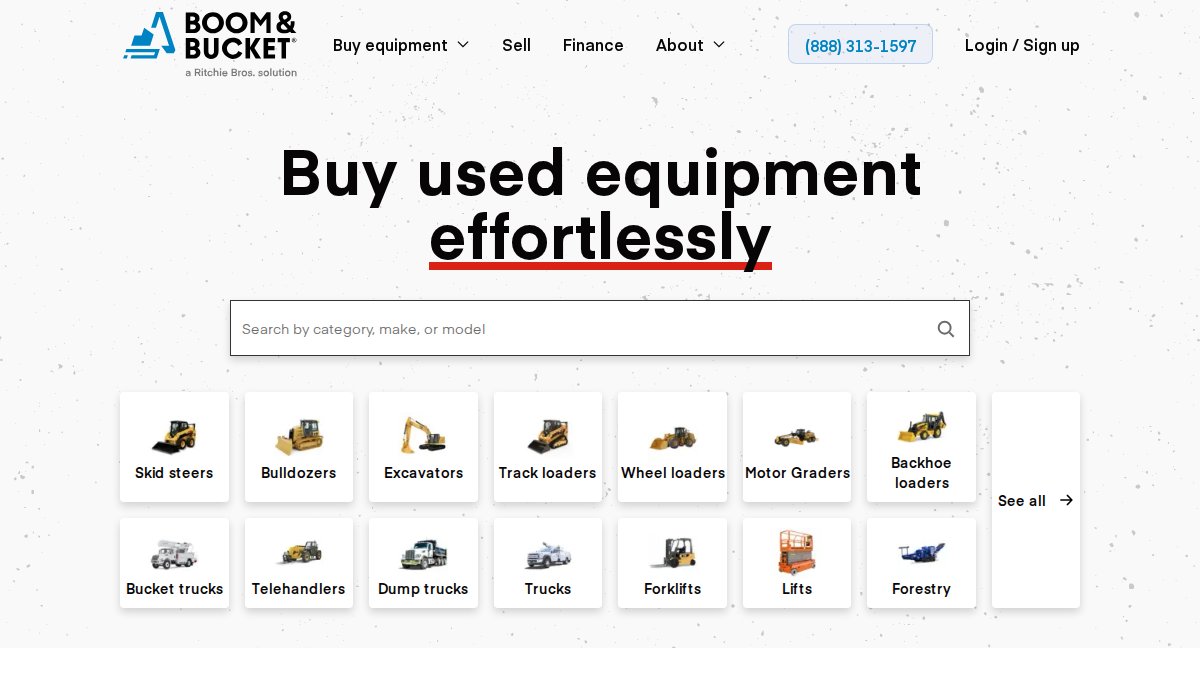
The digital transaction flow is genuinely simplified compared to the phone-and-email routine most auction houses still run. You get the report, you see the price, you decide.
Pros and Cons
Pros: High transparency through detailed inspection reports; simplified digital transaction process; logistics coordination built in.
Cons: Inventory availability varies by region, so a firm needing a specific late-model excavator may still have to wait for the right unit to appear.
2. Mascus: Best for International Inventory Volume
Mascus operates as a global listing marketplace rather than an auctioneer, and that distinction shapes everything about how you use it. You are browsing dealer and private-party listings and contacting sellers directly, which means the search filters do the heavy lifting.
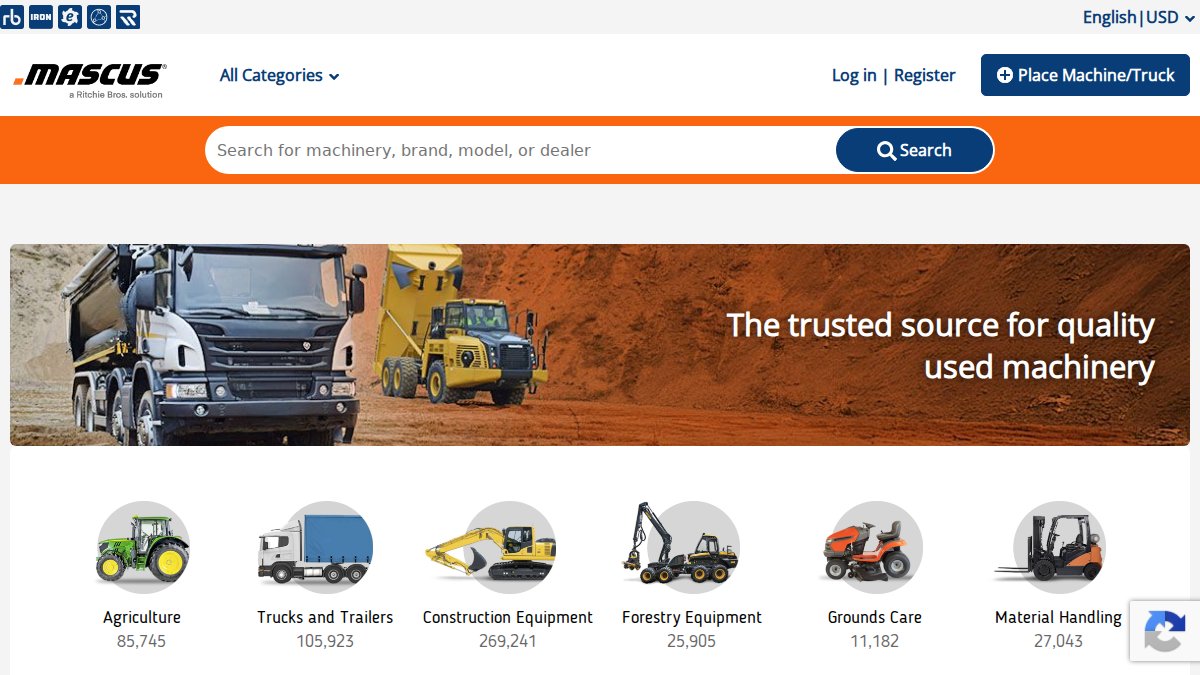
The database is enormous, covering heavy-duty trucks, earthmoving equipment, and attachments across many regions. Advanced filters let you narrow by specification, which matters when you need a machine that matches an existing fleet's configuration.
Pros and Cons
3. Equippo: Best for Buyer Protection and Fixed Pricing
Pros and Cons
4. Machinery Pete: Best for Auction Price Data and Valuation
Pros and Cons
5. Fastline: Best for Financing-Ready Purchases
Pros and Cons
Used Heavy Machinery Financing: What to Know Before You Buy
How Lenders Actually Underwrite Used Iron
Terms You Should Expect
Tax Treatment Changes the Math
Two provisions matter more than most buyers realize:
A Pre-Purchase Checklist
Frequently Asked Questions
Is IronPlanet a reputable auction site for heavy equipment?
IronPlanet operates as part of Ritchie Bros. and has a long track record in heavy equipment auction sites, offering inspection reports and a large buyer network. That said, some construction firms find the bidding process unpredictable, fees hard to forecast, and inventory availability inconsistent by region. If you need fixed pricing, verified condition reports, or faster transactions, comparing an IronPlanet alternative like Boom & Bucket or Equippo may better fit your procurement strategy.
What are the typical buyer and seller fees on heavy equipment auction sites?
Fees vary widely by platform. Many auction sites charge buyer premiums and seller commissions that together can take a meaningful bite out of your margin, and some add listing, photography, or logistics charges on top. Because pricing models differ, ask each platform for a full fee schedule before you commit. Marketplace-style alternatives often use flat listing fees or transaction-based pricing, which can be easier to budget for than variable auction commissions.
How does used heavy machinery financing work when buying through an online marketplace?
Most lenders treat an online marketplace purchase the same as a dealer sale: they want the equipment details, inspection report, and a purchase agreement before approving used heavy machinery financing. Some platforms, like Fastline, connect buyers directly with financing partners. Others leave it to you. Equipment Finance Academy provides Quick Equipment Financing, accessing the nation's top equipment lenders and a tech-powered financing marketplace, with approvals in hours and funding same-day. Getting pre-approved before you bid or negotiate gives you leverage and speeds up closing, since approvals can take hours rather than days when your paperwork is ready.
What should construction firms look for when choosing an IronPlanet alternative?
Focus on four things: inspection quality, total cost of ownership, logistics support, and regional inventory depth. Verified inspection reports reduce the risk of buying a machine that needs immediate repairs. Transparent fees protect your margins. Shipping coordination matters if the equipment is out of state. And check that the platform carries the specific categories you need, such as late-model excavators, dozers, or heavy-duty trucks, before you shift your procurement process over.
Can I sell equipment on these platforms, or are they buyer-only?
Most alternatives to IronPlanet serve both sides. Boom & Bucket, Mascus, Equippo, Machinery Pete, and Fastline all let you list equipment for sale. If you need to move surplus inventory quickly to manage cash flow, look for platforms with strong regional buyer traffic and fast listing turnaround. Machinery Pete also gives you historical auction price data, which helps you set a realistic reserve price instead of guessing.