 how-to
Sell Construction Equipment Online Fast: 7 Steps
Table of Contents
- Step 1: Prepare Your Equipment for Sale
- Step 2: Determine Fair Market Value with Used Construction Equipment Appraisal
- Step 3: Choose the Right Online Platform to Sell Construction Equipment
- Step 4: Create a Listing That Attracts Serious Buyers
- Step 5: Understand Heavy Equipment Auctions and Bidding Dynamics
- Step 6: Handle Negotiations and Secure the Sale
- Step 7: Manage Logistics, Payment, and Equipment Financing for Buyers
- Frequently Asked Questions
Last Updated: September 17, 2026
Selling construction equipment online fast requires a strategic approach. The process moves from preparation through negotiation to final logistics. Below, we'll show you exactly how to sell construction equipment online and move inventory quickly.
Step 1: Prepare Your Equipment for Sale
The first mistake sellers make is listing equipment before it's ready. Buyers want machines that look maintained and operate reliably. Proper preparation increases your asking price and speeds up the sale.
Start with a thorough inspection. Check the engine, hydraulics, belts, and hoses. Document any repairs or maintenance you've completed. Take photos of the service records and maintenance history. Buyers trust equipment backed by documented care.
Clean the machine inside and out. Pressure wash the exterior. Remove dirt from the cab and engine compartment. A clean machine signals that you've maintained it well. This single step often justifies a higher price.
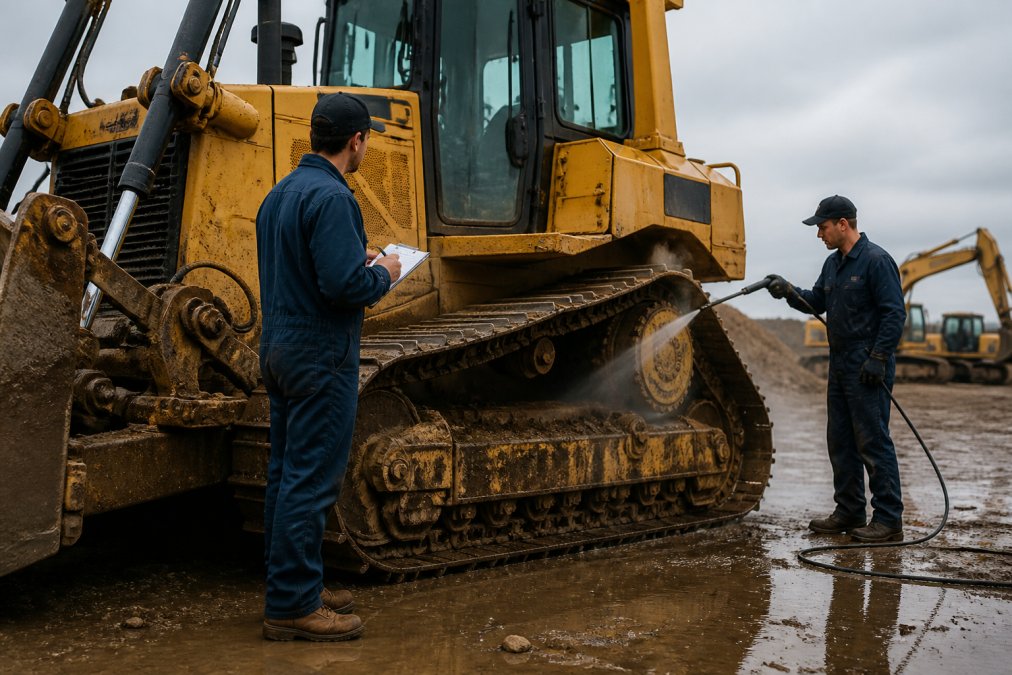
Test all major systems before listing. Run the engine. Test hydraulics and controls. Check lights and safety features. Document what works and what doesn't. Honesty about condition builds buyer confidence and prevents deals from falling apart during inspection.
Gather your documentation:
- Title and registration
- Maintenance and service records
- Repair receipts
- Original purchase paperwork
- Warranty information if applicable
Sellers who provide complete documentation sell faster and for higher prices. Buyers see this as proof of care.
Step 2: Determine Fair Market Value with Used Construction Equipment Appraisal
Pricing mistakes cost you thousands. Price too high and equipment sits unsold. Price too low and you leave money on the table. A proper used construction equipment appraisal anchors your listing to reality, but timing your sale strategically can add 10-20% to your final price.
Understanding Depreciation and Machine Hours
Construction equipment depreciates based on two primary factors: calendar age and machine hours. Most buyers focus on hours first. A 10-year-old excavator with 4,000 hours commands significantly higher value than one with 12,000 hours, even if both are the same age.
Typical depreciation patterns:
- Years 1-3: 15-25% annual depreciation
- Years 4-7: 10-15% annual depreciation
- Years 8+: 5-10% annual depreciation (stabilizes based on hours and condition)
Machine hours typically depreciate at $3-$8 per hour for mid-range equipment, depending on type and market. A bulldozer at 8,000 hours versus 10,000 hours can mean a $6,000-$16,000 price difference. Track your equipment's hours closely; selling before crossing major hour thresholds (5,000, 10,000, 15,000) often yields better returns.
Timing the Market Cycle
Construction equipment markets follow seasonal and cyclical patterns. Spring and early summer (March-June) see peak demand and highest prices. Winter months (November-February) experience 15-25% lower prices due to reduced construction activity. If you can wait, delaying a sale from January to April often justifies the storage cost.
Broader market cycles matter too. Equipment values rise during construction booms and fall during recessions. Monitor construction spending forecasts and bid activity in your region. Selling during an upswing, even if you must wait a few months, often yields better returns than rushing during a downturn.
Research Comparable Machines
Research comparable machines currently for sale. Check online marketplaces for the same make, model, year, and hour range. Note the asking prices. These give you a baseline, though asking prices often exceed actual selling prices by 10-15%.
Look at recent auction results for your equipment type. Auction sites publish what machines actually sold for, not just asking prices. This data is more reliable than asking prices because it reflects real market value. Compare results from the past 30-60 days; older data becomes less relevant as markets shift.
Factor in condition and maintenance records. Equipment with fewer hours and documented service history commands 15-30% premiums. A machine in excellent condition with complete maintenance records sells for significantly more than one in fair condition with spotty documentation.
Get a Professional Appraisal for High-Value Equipment
For equipment valued above $50,000, a professional appraisal is worth the investment. An appraiser evaluates condition, hours, market demand, comparable sales, and regional factors. The appraisal cost ($300-$800 depending on equipment type) is recovered quickly through better pricing and faster sales. An appraiser can also identify hidden value, recent engine rebuilds, new hydraulics, or specialized attachments that justify premium pricing.
Step 3: Choose the Right Online Platform to Sell Construction Equipment
Not all online platforms attract serious buyers. Some platforms charge high commissions. Others draw tire-kickers rather than qualified purchasers. Choosing the right platform shapes your entire sales experience.
Compare platform features before committing:
- Commission fees and listing costs
- Buyer verification process
- Inspection and logistics support
- Payment protection and escrow options
- Geographic reach and buyer volume
Some platforms focus on auctions. Others use fixed-price listings. Auctions create urgency and can drive prices up if multiple buyers compete. Fixed-price listings give you control over pricing but require patience to find the right buyer.
Local marketplaces like Facebook Marketplace or Craigslist reach nearby buyers but offer no fraud protection. National platforms provide wider reach and buyer vetting but charge higher commissions. The tradeoff is worth it for valuable equipment where security matters.
Specialized heavy equipment marketplaces attract buyers specifically looking for construction machinery. These platforms understand the market and draw serious purchasers. They typically charge more but deliver faster sales and better prices.
Step 4: Create a Listing That Attracts Serious Buyers
Your listing is your sales pitch. A weak listing gets ignored. A strong listing attracts multiple offers and competitive bidding.
Write a clear, specific title that includes the machine type, brand, model, and year. "Caterpillar 320 Excavator" works better than "Heavy Equipment for Sale." Specific titles rank better in search results and attract the right buyers.
Open with the most important details. Lead with machine hours, condition, and key features. Buyers scan listings quickly. Put your strongest selling points first.
Include comprehensive specifications:
- Make, model, and year
- Machine hours or age
- Engine horsepower
- Bucket size or blade width
- Attachments included
- Fuel type and capacity
- Last major service date
Describe condition honestly. Note any wear, dents, or repairs needed. Transparency prevents deals from collapsing when buyers inspect the equipment. A machine described as "fair condition, needs new tires" sells faster than one listed as "good condition" that turns out to have worn tires.
List all included attachments and accessories. Buyers want to know what they're getting.
Step 5: Understand Heavy Equipment Auctions and Bidding Dynamics
Heavy equipment auctions create competitive pressure that drives prices up. Understanding auction mechanics helps you decide whether an auction format fits your timeline and goals.
The auction format works well for:
- Popular equipment models with broad appeal
- Equipment in excellent condition
- Machines with strong maintenance records
- Sales during peak season (spring and early summer)
Fixed-price listings work better for:
- Specialized or niche equipment
- Machines with unique features
- Sales during slow seasons
- Sellers who need certainty on price
Step 6: Handle Negotiations and Secure the Sale
Most buyers want to negotiate. Expect offers below your asking price. Plan your negotiation strategy before the first inquiry arrives. But before you engage with any buyer, implement fraud prevention measures, equipment sales above $10,000 are frequent targets for scams that can cost you the equipment, the sale price, or both.
Vet Buyers Before Negotiations Begin
Ask qualifying questions immediately:
- Are you buying for personal use or resale?
- Do you have financing arranged, or are you paying cash?
- Have you purchased equipment online before?
- Can you provide references from previous equipment purchases?
- When do you need to take possession?
Secure Payment Methods Only
Acceptable payment methods:
- Cashier's checks (verify with the issuing bank before releasing equipment)
- Money orders from established financial institutions
- Escrow services (third-party holds payment until buyer confirms equipment delivery)
- Bank-to-bank transfers with written confirmation from the buyer's bank
Respond Quickly to Qualified Inquiries
Confirm Buyer Legitimacy Before Inspection
Document Everything in Writing
Document your agreement in writing before payment changes hands. Include:
- Equipment description (make, model, year, hours)
- Agreed price and payment method
- Equipment condition and any known defects
- Included attachments and accessories
- Delivery or pickup arrangements
- Title transfer process and timeline
- Buyer's name, contact information, and driver's license number
Step 7: Manage Logistics, Payment, and Equipment Financing for Buyers
The final step determines whether the sale actually closes. Logistics and payment logistics often derail deals. Clear communication prevents problems.
Frequently Asked Questions
How do I determine the fair market value of used construction equipment?
Start by researching comparable equipment on online marketplaces and auction sites to see recent sale prices. Document your equipment's machine hours, maintenance history, and condition. Consider depreciation based on age and usage patterns. A used construction equipment appraisal from a qualified inspector adds credibility and helps you price competitively.
What's the fastest way to sell construction equipment online?
Use fixed-price listings on high-traffic marketplaces rather than auctions, which take longer. Provide detailed photos, service records, and inspection reports upfront to reduce buyer questions. Be responsive to inquiries immediately. Offer equipment financing for buyers to expand your pool of qualified purchasers, which accelerates sales. Price competitively based on current market conditions. Clear, honest listings with complete documentation close deals faster than vague postings that require back-and-forth clarification.
How can I protect myself from fraud when selling equipment online?
Verify buyer identity and conduct business through secure platforms with escrow services. Request payment before releasing equipment, and use a bill of sale that documents the transaction. Never accept wire transfers to personal accounts. Meet buyers in safe locations or arrange professional logistics companies to handle pickup. Require a deposit to demonstrate buyer commitment. Check references if selling to commercial buyers. Document all communications and maintain records of the sale for tax purposes and dispute resolution.
What documents do I need to sell heavy equipment?
Gather the equipment's title or ownership proof, service and maintenance records, and any inspection reports. Create a bill of sale documenting the sale price, date, and buyer information. Include the serial number and equipment specifications. Provide any warranty information still in effect. If the equipment is financed, confirm the lien is satisfied before transfer. These documents protect both you and the buyer, establish the equipment's history, and are often required by equipment financing for buyers who need proof of ownership and condition.
Selling construction equipment online fast comes down to preparation, realistic pricing, and clear communication. Equipment Finance Academy connects you with qualified buyers who have financing ready, which means serious inquiries and faster closings. Get started today with a marketplace built for equipment sellers.