 ultimate-guide
Bulldozer Ownership Cost: 2026 Guide
Table of Contents
- Bulldozer Ownership Cost Breakdown
- Bulldozer Rental Cost vs. Ownership
- Purchase Price and Equipment Value
- Bulldozer Operating Cost Per Hour
- Fuel Consumption and Costs
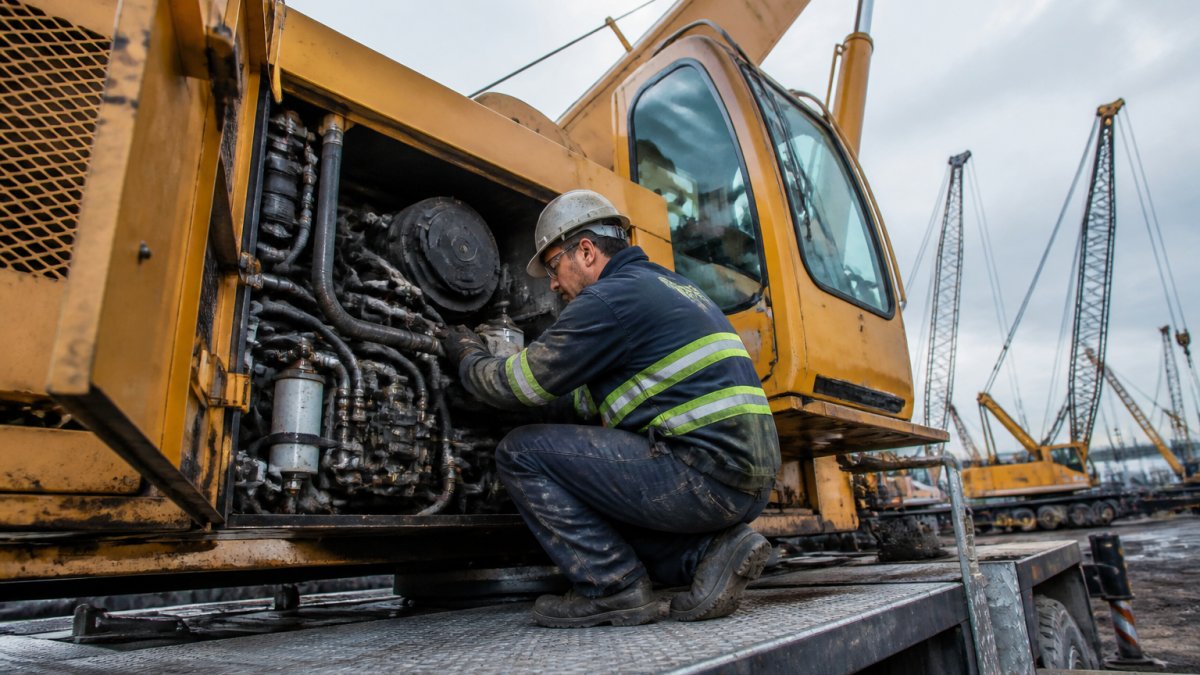
- Bulldozer Maintenance Costs and Repairs
- Hidden Ownership Expenses
- Conclusion
- Frequently Asked Questions
Last Updated: October 6, 2026
Bulldozer Ownership Cost Breakdown
A bulldozer is one of the most capital-intensive pieces of heavy equipment a construction company can own.
The cost of owning and operating a bulldozer depends on machine size, use rate, fuel prices, maintenance history, and local conditions.
Most contractors underestimate bulldozer ownership cost by focusing only on depreciation and fuel, missing the compounding effect of insurance premiums, property taxes, storage fees, and unplanned repairs.
Bulldozer Rental Cost vs. Ownership
The rental versus ownership decision hinges on your use rate and project pipeline. Renting makes sense for short-term or unpredictable needs; ownership becomes attractive with consistent, multi-year demand.
Rental rates fall into three categories: daily, weekly, and monthly.
Break-even varies by machine class. A smaller dozer (D4 or D5) might break even around 1,500-2,000 operating hours per year; a larger machine (D8 or D9) often needs 2,500+ hours annually.
Equipment Finance Academy helps construction companies evaluate this decision by connecting you with lenders who understand the cash flow dynamics of heavy equipment ownership.
Purchase Price and Equipment Value
Purchase price is the largest line item in any bulldozer ownership model and where the widest spread exists between new and used machines. The table below reflects typical 2026 asking prices for Caterpillar dozers in good operating condition, based on dealer listings and auction results. Actual pricing varies by region, undercarriage condition, hours, and attachments.
| Machine Class | New Price Range | Used (5-8 yrs, 6,000-10,000 hrs) | Used (10-15 yrs, 12,000+ hrs) |
|---|---|---|---|
| D4 / D5 (small) | $180,000 - $260,000 | $95,000 - $150,000 | $45,000 - $85,000 |
| D6 (mid-size) | $350,000 - $500,000 | $180,000 - $300,000 | $85,000 - $160,000 |
| D8 (large) | $600,000 - $850,000 | $300,000 - $500,000 | $150,000 - $275,000 |
| D9 / D10 (production) | $900,000 - $1,400,000+ | $450,000 - $800,000 | $200,000 - $400,000 |
These are machine-only prices. Add 8-12% for a machine equipped with GPS grade control, rippers, or a specialty blade, and budget another $15,000-$40,000 for transport to your yard if the machine is purchased out of region.
New vs. Used: The Real Trade-Off
A new D6 at $425,000 comes with a factory warranty (typically 12 months/2,000 hours on the full machine, longer on powertrain), predictable maintenance for the first 2,000 hours, and the latest emissions-compliant engine. The same money buys a 6-year-old D6 with 8,000 hours plus roughly $125,000 for a rebuild reserve, spare undercarriage, and a year of operating costs.
The trade-off is not just price. A used machine carries:
- Undercarriage risk. Undercarriage is 20-30% of a dozer's value. A worn undercarriage on a used D6 can cost $25,000-$45,000 to replace within the first year of ownership.
- Emissions and access restrictions. Pre-Tier 4 machines cannot work on some federally funded projects and certain state air-quality districts. Verify the machine's tier rating against your project pipeline before purchase.
- Financing terms. Lenders typically cap used-equipment loans at 80-90% of appraised value and shorten terms to 36-48 months, versus 60-72 months on new. That raises the monthly payment even on a lower purchase price.
Depreciation and Resale
Depreciation is front-loaded: a new dozer typically loses 25-35% of its value in the first two years, then 6-10% per year through year 10.
That curve creates a strategy: buying a 5-8 year old machine captures most of the remaining useful life at roughly half the new price, with the steepest depreciation already absorbed.
For tax purposes, most dozers qualify for Section 179 expensing and bonus depreciation under current IRS rules, which can materially change the after-tax cost in year one.
IRS Section 179 and bonus depreciation rules for heavy equipment
Bulldozer Operating Cost Per Hour
Operating cost per hour is the most useful metric for comparing bulldozer ownership scenarios and project profitability, combining fuel, maintenance, repairs, and allocated overhead into one number that tells you whether a job makes financial sense.
Operating cost per hour varies by machine size and condition. A D6 in good condition typically costs $75-150 per operating hour all-in; a D8 or D9 runs $120-200+. A poorly maintained machine or one in severe conditions can easily exceed these ranges.
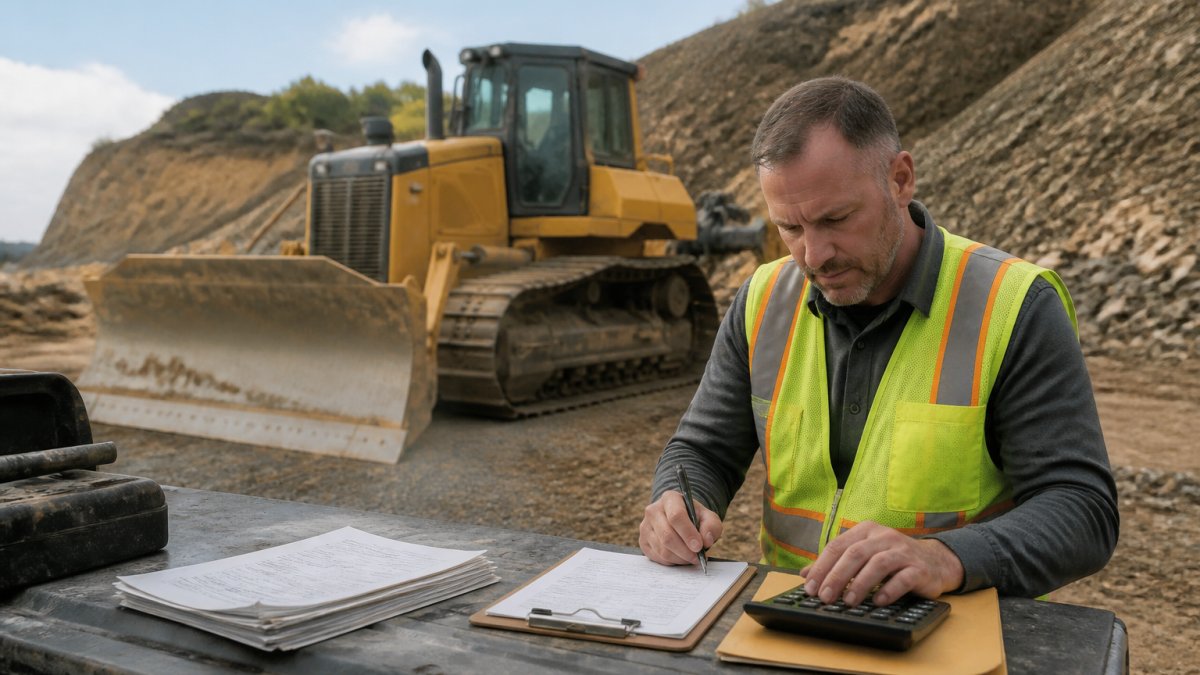
To calculate your own operating cost per hour, total annual expenses (fuel, maintenance, insurance, storage, financing) and divide by expected annual hours.
Fuel Consumption and Costs
Fuel is typically the largest variable cost in bulldozer operation, often 30-40% of total operating expenses. A D6 consumes roughly 4-6 gallons per hour under normal conditions; a D8 or D9 burns 6-10+.
Fuel efficiency depends on the work performed: light grading with minimal blade resistance consumes less than pushing heavy material uphill or working rocky terrain.
Fuel cost per hour is simple: multiply hourly consumption by current diesel prices, then add 10-15% for handling, storage, and delivery.
Operators significantly influence fuel consumption: an experienced one who minimizes unnecessary blade movement and avoids excessive revving can cut fuel use 10-20%.
Bulldozer Maintenance Costs and Repairs
Maintenance is the second-largest operating expense after fuel.
A well-maintained bulldozer typically requires $30-60 per operating hour in maintenance and repairs, including scheduled services and a reserve for breakdowns.
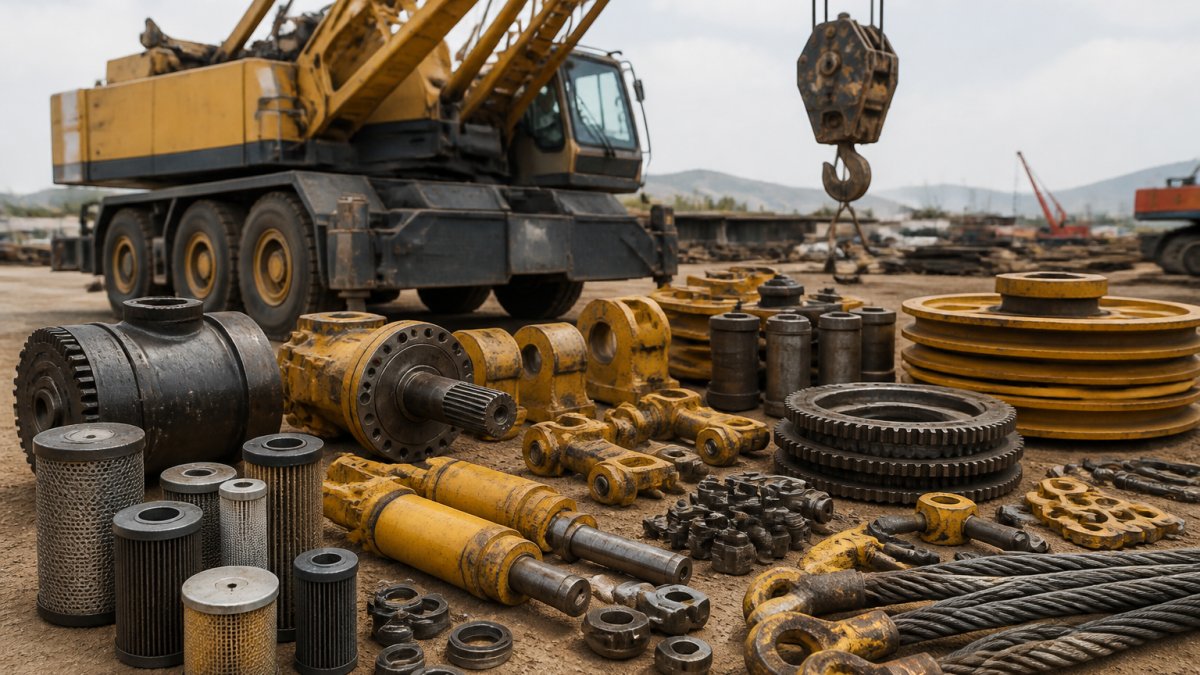
Major component replacements drive long-term ownership costs. Track replacement typically costs $15,000-30,000 depending on machine size and condition, and engine overhauls, transmission rebuilds, and hydraulic repairs are similarly expensive.
Maintenance records directly affect resale value: a machine with documented service history commands a 10-20% premium over a similar machine with sketchy records, creating a financial incentive to maintain equipment diligently throughout ownership.
Hidden Ownership Expenses
Fuel, maintenance, and depreciation get the attention, but the expenses that quietly break a dozer budget are recurring ownership costs that do not scale with hours worked. This section builds an annual model for a mid-size D6 running 1,500 hours per year, then translates those costs to a per-hour figure.
Insurance
Heavy equipment insurance typically combines a commercial auto or inland marine policy for the machine with a general liability policy covering on-site operations. For a D6 valued at $250,000, expect $4,000-$9,000 per year in physical damage and liability premiums, depending on claims history, states of operation, and indoor storage. Machines working within 500 feet of railroads, waterways, or utility easements often carry surcharges.
Property Taxes and Registration
Most states assess heavy equipment as business personal property, with effective rates commonly 1-3% of assessed value per year. On a $250,000 D6 assessed at 80% of market value in a 2% jurisdiction, that is roughly $4,000 per year. Some states also require annual registration or an operating permit, usually a few hundred dollars. Verify your state's assessment schedule, some reassess annually, others on a multi-year cycle.
Storage and Yard Space
Indoor storage runs $800-$2,500 per month in most markets, or $10,000-$30,000 per year. Outdoor storage with fencing and lighting is cheaper at $200-$600 per month but exposes the machine to weather, corrosion, and theft; a dozer stored outdoors in a humid climate can lose 5-10% more resale value over five years. If you own a yard, allocate the opportunity cost of the space rather than treating it as free.
Transport and Mobilization
A dozer cannot legally or practically self-propel between job sites. Commercial hauling typically runs $3-$6 per loaded mile for a lowboy plus permits and escorts on oversize loads: a 200-mile move costs roughly $800-$1,500, and a 500-mile move runs $2,000-$3,500. Contractors mobilizing 8-12 times per year should budget $15,000-$35,000 annually for transport alone. Owning a lowboy and tractor changes the math but adds $150,000-$250,000 in capital plus its own maintenance and insurance.
Compliance, Licensing, and Operator Costs
Compliance costs are modest individually but accumulate. Expect:
- Operator certification (e.g., NCCER or union apprenticeship credentials): $500-$2,000 per operator, renewed periodically.
- Safety inspections and MSHA or OSHA-related training for site access: $200-$1,000 per year per machine.
- Environmental compliance (spill kits, fuel containment, dust control permits): $500-$2,500 per year depending on jurisdiction.
If you do not have a dedicated operator, add $55,000-$95,000 per year in wages and benefits for a full-time dozer operator, or $45-$85 per hour for a contract operator.
Putting It Together: Annual Hidden-Cost Model
| Expense | Annual Cost (D6, 1,500 hrs) |
|---|---|
| Insurance | $6,500 |
| Property tax / registration | $4,200 |
| Storage | $9,000 |
| Transport (10 mobilizations) | $18,000 |
| Compliance and training | $2,000 |
| Subtotal (excluding operator) | $39,700 |
| Operator wages and benefits | $72,000 |
| Total hidden ownership cost | $111,700 |
Spread across 1,500 operating hours, that is roughly $74 per hour in hidden costs alone, before a single gallon of diesel or a single hour of maintenance. This is the number most first-time buyers miss, and it is why a dozer that looks profitable on a per-job bid can lose money over a full year.
Conclusion
The cost of owning and operating a bulldozer 2026 is substantial, but with strong use and diligent maintenance the economics support ownership. Calculate your break-even use rate, factor in all operating expenses, and stress-test assumptions against realistic project pipelines.
Equipment Finance Academy helps contractors and heavy equipment owners access capital quickly for bulldozer purchases and fleet expansion. With approvals in hours and same-day funding, you can move from ownership decision to deployment without operational delays. Connect with our marketplace of vetted equipment lenders today to explore financing options that match your use profile and cash flow needs.
Frequently Asked Questions
How much does it cost to run a bulldozer per hour in 2026?
Hourly operating costs for a mid-size bulldozer typically range from $75 to $150 per hour, depending on machine class, fuel prices, and maintenance condition. This includes fuel, operator wages, maintenance reserves, and equipment depreciation. Larger dozers (D10 or D11 class) cost more; smaller machines cost less. Actual costs vary by utilization rate, terrain difficulty, and how well the equipment is maintained.
Is it cheaper to rent or own a bulldozer?
Rental is cheaper for short-term projects (under 6-12 months). Daily rental rates vary depending on machine size and location. Ownership makes financial sense for long-term operations (2+ years) or high-utilization projects. Calculate your total project hours, compare hourly ownership cost to daily rental rates, and factor in financing terms. Projects requiring 500+ annual operating hours usually favor ownership.
What is the typical purchase price of a new bulldozer in 2026?
New bulldozer prices vary significantly by model and size. Used equipment costs less depending on age, hours, and condition. Financing options through equipment lenders can reduce upfront capital requirements. Resale value is a significant ownership cost factor.
What are the main operating costs of a bulldozer?
Primary operating costs include fuel (typically 30-40% of hourly cost), operator labor, maintenance and repairs (10-15% annually), insurance, registration, and storage. Fuel consumption ranges from 5 to 15 gallons per hour depending on machine size and load intensity. Maintenance costs increase with age and hours of operation. Larger machines with higher fuel consumption and more complex systems cost significantly more to operate than compact dozers.
How many operating hours will a bulldozer last?
A well-maintained bulldozer typically lasts 10,000 to 20,000 operating hours, with some reaching 25,000+ hours. This translates to 5-10 years of typical use depending on utilization rate. Major overhauls or component replacements become more frequent after 15,000 hours. Maintenance quality, operator skill, and operating conditions significantly affect lifespan. Dozers used in harsh terrain or poor conditions may require earlier retirement or major repairs.
How much does bulldozer maintenance cost annually?
Annual maintenance costs vary depending on equipment class and utilization. Routine maintenance includes oil changes, filter replacements, and inspections. Major repairs (hydraulic systems, transmission, engine work) can be expensive. Preventive maintenance reduces emergency repairs and extends equipment life, making it a cost-effective investment.
What factors affect bulldozer operating costs the most?
Machine size and class have the largest impact: larger dozers consume more fuel and require more expensive parts. Operating hours and utilization rate determine how quickly maintenance costs accumulate. Terrain type affects fuel consumption and wear rates significantly. Operator skill influences productivity and equipment wear. Fuel prices, regional labor costs, and equipment condition also substantially affect total operating expenses. A sensitivity analysis comparing different machine classes helps identify the most cost-effective option for your project profile.