 ultimate-guide
Heavy Equipment Environmental Regulations 2026
Table of Contents
- Federal Environmental Regulations for Heavy Construction Equipment
- EPA Emissions Standards for Nonroad Diesel Engines
- State and Local Emissions Requirements Beyond Federal Rules
- Construction Equipment Emissions Compliance Checklist
- Used Heavy Equipment Emissions Requirements
- Diesel Particulate Filter Maintenance for Heavy Equipment
- Compliance Assistance, Recordkeeping, and Penalties
- Frequently Asked Questions
Last Updated: October 8, 2026
Federal Environmental Regulations for Heavy Construction Equipment
The EPA regulates nonroad diesel emissions through a tiered framework covering most jobsite machinery, excavators, loaders, dozers, cranes.
Federal environmental regulations for heavy construction equipment fall under the Clean Air Act, which lets the EPA set nonroad engine standards.
Older grandfathered equipment may still operate, but new purchases must meet current standards. Compliance depends on each machine's manufacture date, not how it's used.
EPA Emissions Standards for Nonroad Diesel Engines
EPA nonroad diesel standards cap two primary pollutants: nitrogen oxides (NOx) and diesel particulate matter (DPM).
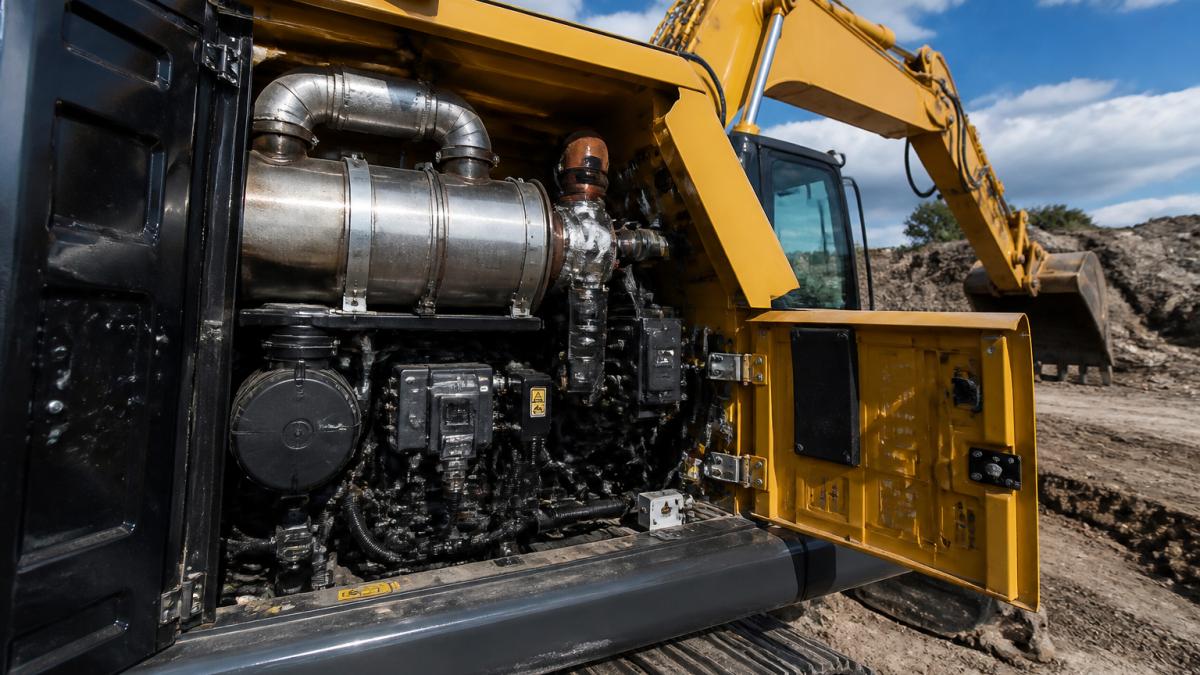
Tier 4 equipment uses diesel particulate filters and selective catalytic reduction to cut pollutants sharply versus older machines.
Nonroad engines differ from highway engines in duty cycle: construction equipment runs at variable loads and idles for long periods.
Operators and owners share responsibility for compliance.
State and Local Emissions Requirements Beyond Federal Rules
Federal standards are a floor, not a ceiling. States and localities can impose stricter environmental regulations for heavy construction equipment, so understand the mechanism before bidding across state lines.
Under the Clean Air Act, California can set its own nonroad engine standards subject to EPA authorization, and other states may adopt them instead of federal rules.
States that have adopted California's nonroad diesel standards extended the approach from on-road vehicles to off-road equipment.
Local air districts add another layer. Many sit in regions designated nonattainment for ozone or particulate matter under the National Ambient Air Quality Standards (NAAQS), where they may impose:
- Fleet average requirements that cap the aggregate emissions of a contractor's equipment rather than regulating each machine individually
- Idling restrictions that limit how long diesel equipment may idle, often with lower thresholds than state law
- Seasonal or episodic curtailments triggered by air quality forecasts, requiring contractors to stand down older equipment on short notice
California Off-Road Diesel Equipment Rules
California's off-road diesel rules are the strictest in the nation.
CARB's framework runs on two tracks: a performance standard requiring fleets to meet declining fleet-average emissions targets, and prescriptive requirements for larger fleets and specific equipment categories.
Key mechanics worth knowing:
- Fleet averaging lets a contractor offset a few high-emitting machines with cleaner ones, but the average tightens on a published schedule, so a fleet that passes this year may fail next year without any equipment change.
- Retrofits, typically diesel particulate filters or selective catalytic reduction, can bring an older engine into compliance, but only if CARB-verified for that specific engine family. An unverified retrofit does not count.
- Reporting and labeling are part of the obligation. Equipment operating in the state is generally expected to carry proper identification and appear in the fleet owner's records.
Verify current CARB requirements annually, rules evolve, and equipment compliant last year may face new restrictions. Staying current prevents project delays and impoundment.
Regional and Local Rules Beyond Federal and California Requirements
Even outside California and adoption states, regional and local rules matter. Recurring patterns include:
- Ozone season restrictions in metropolitan areas that exceed the ozone standard, often limiting older diesel equipment during summer months
- Port and railyard clean equipment requirements, where terminals and intermodal facilities impose their own equipment standards on trucks and yard equipment as a condition of access
- Municipal anti-idling ordinances that apply to construction sites within city limits, sometimes with fines assessed per incident
For cross-state work, build a jurisdiction matrix: one row per state or metro area, one column per requirement type (fleet average, idling, retrofit verification, contract specifications), plus effective date and source document. It beats a static rule list because it records where each requirement came from and when it was verified.
Construction Equipment Emissions Compliance Checklist
Compliance requires systematic tracking: equipment type, manufacture date, tier rating, maintenance schedule, and operating jurisdiction all determine whether your fleet meets environmental regulations heavy equipment must satisfy.
Key compliance steps:
- Verify EPA tier certification for every piece of equipment in your fleet
- Document manufacture dates and emissions control specifications
- Check state and local regulations for each jobsite location
- Establish maintenance schedules aligned with emissions control requirements
Revisit the checklist quarterly. Environmental regulations for heavy construction equipment change periodically, and new restrictions may hit older machines; staying ahead avoids last-minute retrofits.
Used Heavy Equipment Emissions Requirements
Used equipment needs the same emissions diligence as new, but the documentation trail is thinner. The EPA tier rating is fixed at manufacture, yet actual compliance status can drift through tampering, failed retrofits, or missing records.
The most useful information on a used machine is its engine family name and emission control information label.
What to verify before purchase:
- The engine family name and the emission control information label, photographed and retained
- Whether the machine has been repowered, and if so, whether the replacement engine carries its own certification for the same or a cleaner tier
- Whether any emissions control components, diesel particulate filter, selective catalytic reduction system, exhaust gas recirculation, have been removed, bypassed, or replaced with non-certified parts
- Whether the machine was originally sold in a configuration certified for the U.S. market, or was built for export and later imported
Repowered machines deserve extra scrutiny: a repower can improve or degrade compliance depending on whether the replacement engine is certified for the application.
Imported Equipment
Used equipment imported from outside the U.S. must meet EPA standards to operate legally. Some imports come from countries with no emissions requirements, making them non-compliant for U.S. jobsites, and the import process has requirements separate from technical compliance.
Imported nonroad engines generally need an EPA certificate of conformity, and the importer must ensure the engine family is certified for the U.S. market.
Practical steps for imported equipment:
- Request the engine family name and confirm it appears in EPA's certification database before committing to purchase
- Confirm the machine was not built to a foreign-only emissions configuration
- Retain the import documentation, including the entry summary and any EPA correspondence, alongside the equipment records
- Expect that some machines will be non-compliant on arrival and budget for either retrofit or resale into a non-U.S. market
Leased Equipment
Leased equipment carries the same compliance obligations as owned equipment, but responsibility is split: the lessor provides equipment meeting applicable standards at lease time, and the lessee operates and maintains it to preserve compliance.
Disputes often involve a machine compliant at delivery but non-compliant at return due to tampering or deferred maintenance; lease language usually decides who pays. Document condition and emissions control status at delivery and return, including photos of the label and emissions components.
Rented Equipment
Rental equipment should come with documentation confirming EPA tier and maintenance status. Reputable rental companies track compliance meticulously because they need to place machines on any jobsite; if documentation is vague or missing, request written certification before accepting.
Short-term rentals carry different risks than long leases: a week-long rental won't wear out of compliance, but it may arrive with a pre-existing issue, a derated engine, warning light, or DPF near the end of its service interval.
Diesel Particulate Filter Maintenance for Heavy Equipment
DPF regeneration burns off accumulated soot at high temperatures during normal operation when exhaust temperatures are sufficient.
Low-quality fuel, skipped oil changes, or running below recommended temperatures prevents regeneration and causes blockages.
Short-duty cycles harm DPF health: equipment at low loads for extended periods never reaches regeneration temperatures.
Replacement DPFs cost several thousand dollars but are necessary when cleaning no longer restores function.
Compliance Assistance, Recordkeeping, and Penalties
The EPA and state agencies offer free compliance assistance through technical guidance and educational resources.
Recordkeeping is mandatory: maintenance records, emissions certifications, and repair documentation must be retained and available for inspection.
Address compliance gaps promptly.
Environmental regulations for heavy construction equipment are getting stricter and more complex.
If financing emissions-compliant equipment upgrades is a barrier, Equipment Finance Academy connects you with lenders offering same-day funding for equipment purchases.
Frequently Asked Questions
What are the main EPA emissions standards that apply to heavy construction equipment in 2026?
The EPA enforces Tier 4 Final standards for nonroad diesel engines used in construction equipment like excavators, loaders, and dozers. These standards limit diesel particulate matter and nitrogen oxides emissions. Equipment manufactured after specific dates must meet these thresholds. Compliance requirements vary by engine size and equipment type. Check the EPA's official website for current Tier 4 Final deadlines and equipment-specific regulations, as rules continue to evolve.
How do state regulations differ from federal EPA emissions standards for heavy equipment?
While the EPA sets federal baseline emissions standards, states like California have adopted stricter off-road diesel equipment rules. Some states follow federal standards, while others adopt California's more rigorous requirements. Local jurisdictions may also impose additional restrictions on construction equipment operation. Equipment owners must comply with whichever standard is most stringent in their operating region. Verify requirements with your state's environmental agency before purchasing or operating equipment.
What emissions requirements apply to used heavy equipment I'm buying or selling?
Used heavy equipment must meet the emissions standards that were in effect when it was manufactured. Older equipment may not comply with current rules and could face operating restrictions or prohibitions on certain jobsites. Some states allow used equipment to operate under grandfather provisions if it was registered before a specific date. Before purchasing used equipment, verify its manufacture date and confirm it meets emissions standards in your jurisdiction. This affects resale value and operational flexibility.
Why is diesel particulate filter maintenance critical for emissions compliance?
Diesel particulate filters (DPFs) are the primary control technology that reduces particulate matter emissions from heavy equipment engines. A malfunctioning or clogged DPF can cause equipment to fail emissions inspections and violate environmental regulations. Regular maintenance includes monitoring filter pressure, performing regeneration cycles, and replacing filters when needed. Neglecting DPF maintenance can lead to equipment downtime, compliance violations, and potential fines. Follow manufacturer guidelines and keep detailed maintenance records.
What records should equipment owners maintain for environmental compliance?
Equipment owners should maintain records of equipment manufacture dates, engine serial numbers, emissions certifications, maintenance logs (especially DPF service), and inspection results. Keep documentation of any retrofits or emissions control upgrades performed. Many states require operators to demonstrate compliance history during inspections. Digital recordkeeping systems help track compliance across multiple pieces of equipment. Consult your state environmental agency for specific recordkeeping requirements in your jurisdiction.
What penalties apply if heavy equipment fails to meet 2026 emissions standards?
Penalties for noncompliance vary by jurisdiction and severity. The EPA and state agencies can impose civil penalties, equipment operating restrictions, or prohibitions on using noncompliant equipment on public projects or certain jobsites. Fines escalate with repeat violations. Equipment may be seized or impounded in extreme cases. Operating noncompliant equipment can also result in project delays if inspections are required. Compliance is more cost-effective than penalties; verify your equipment status now to avoid disruptions.