 ultimate-guide
What Are the Essential Spare Parts for Used Cranes?
Last Updated: October 29, 2026
Quick Summary
Essential spare parts for used cranes include wire rope, slings and rigging hardware, brake rebuild kits, hydraulic hoses and seal kits, filters, and electrical components like fuses, relays, and limit switches. Stocking all three categories covers the failures that stop a machine cold, and OSHA inspections require deficiencies be corrected before the crane returns to service.
- Wire rope is the first spares item because a rope failing inspection takes the crane out of service immediately.
- Keep a brake rebuild kit on hand for each hoist and travel drive.
- Pair cylinder seal kits with fresh filters since a failed seal often signals debris in the system.
- For safety-critical parts like brakes and wire rope, favor OEM or documented equivalent ratings.
- Bundle the initial spares package into equipment financing to spread the cost across the loan term.
Table of Contents
- Why Spare Parts Decide Whether a Used Crane Pays for Itself
- The Essential Spare Parts to Keep on Hand for Used Cranes
- How OSHA Crane Inspection Requirements Shape Your Parts List
- OEM or Aftermarket Parts: What to Weigh Before You Buy
- Crane Downtime Cost Analysis: What a Missing Part Really Costs
- Used Crane Financing Options That Cover Parts and Equipment
- Build Your Parts Budget Before You Bid the Next Job
- Frequently Asked Questions
Why Spare Parts Decide Whether a Used Crane Pays for Itself
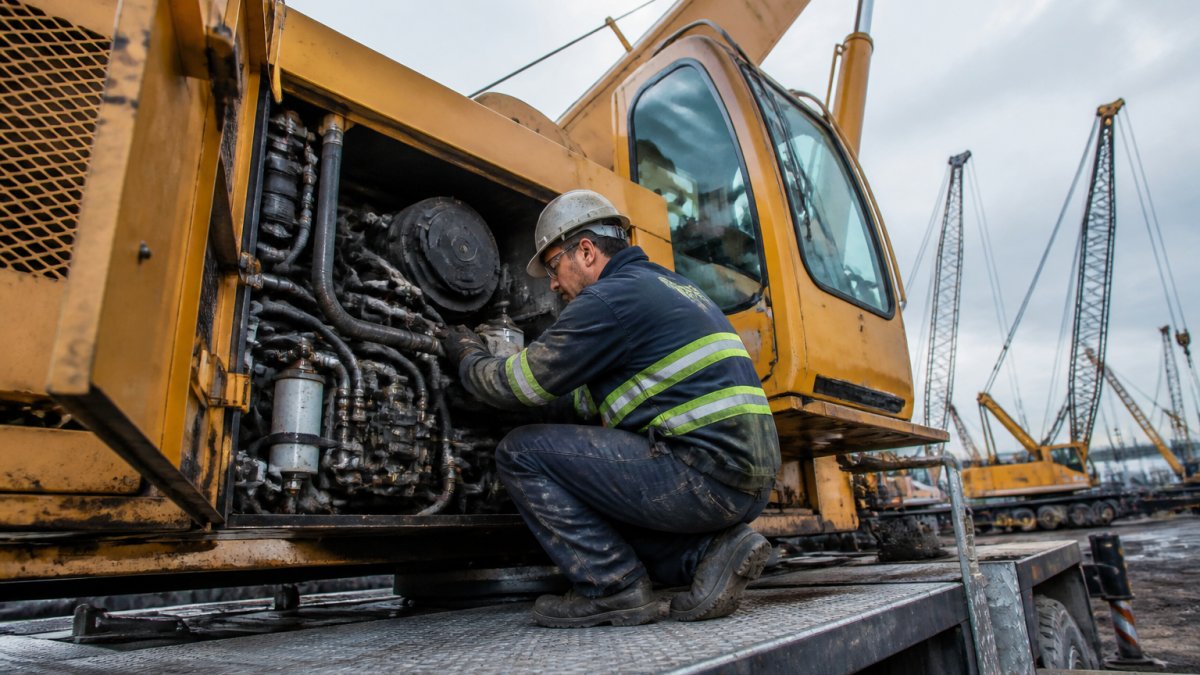
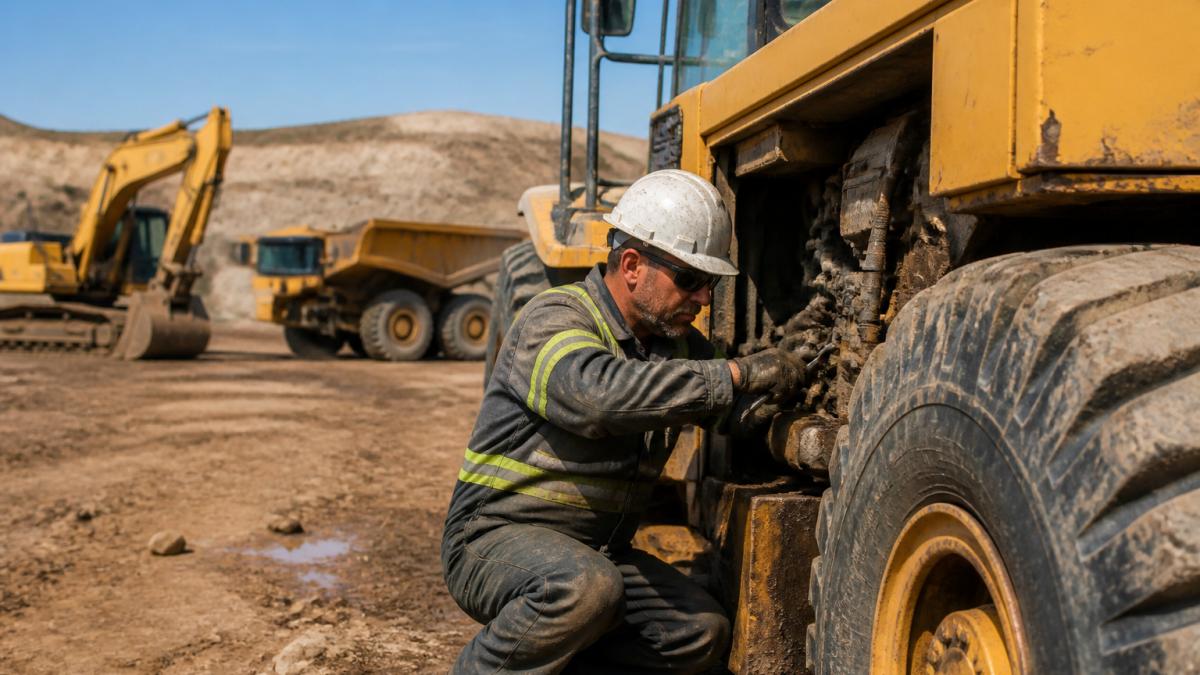
A used crane is a bet on uptime. Understanding depreciation rates for used construction equipment helps you see how parts and upkeep affect the crane's resale value. The purchase price is the easy number to see; the parts sitting in your yard decide whether that machine earns its keep or drains your cash flow. A crane with no spare wire rope, no backup brake components, and no replacement seals is one small failure away from a stalled jobsite.
The arithmetic is unforgiving. A crane that fails on a Tuesday can idle a crew, delay a pour, and push back every downstream trade.
That is why essential spare parts for used cranes deserve a line in the budget before you sign the purchase agreement, not after the first breakdown.
The Essential Spare Parts to Keep on Hand for Used Cranes
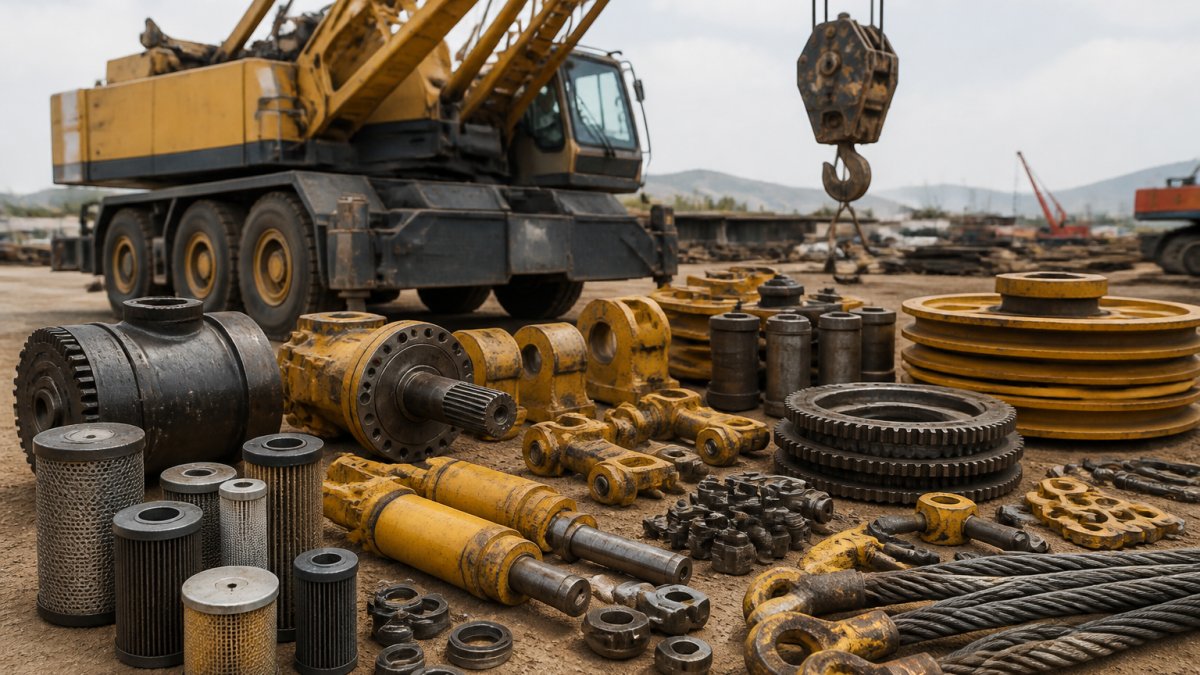
The core spares list breaks into three buckets: lifting hardware, power and control components, and consumables. Stock all three and you cover the failures that stop a machine cold.
Wire Rope, Slings, and Rigging Hardware
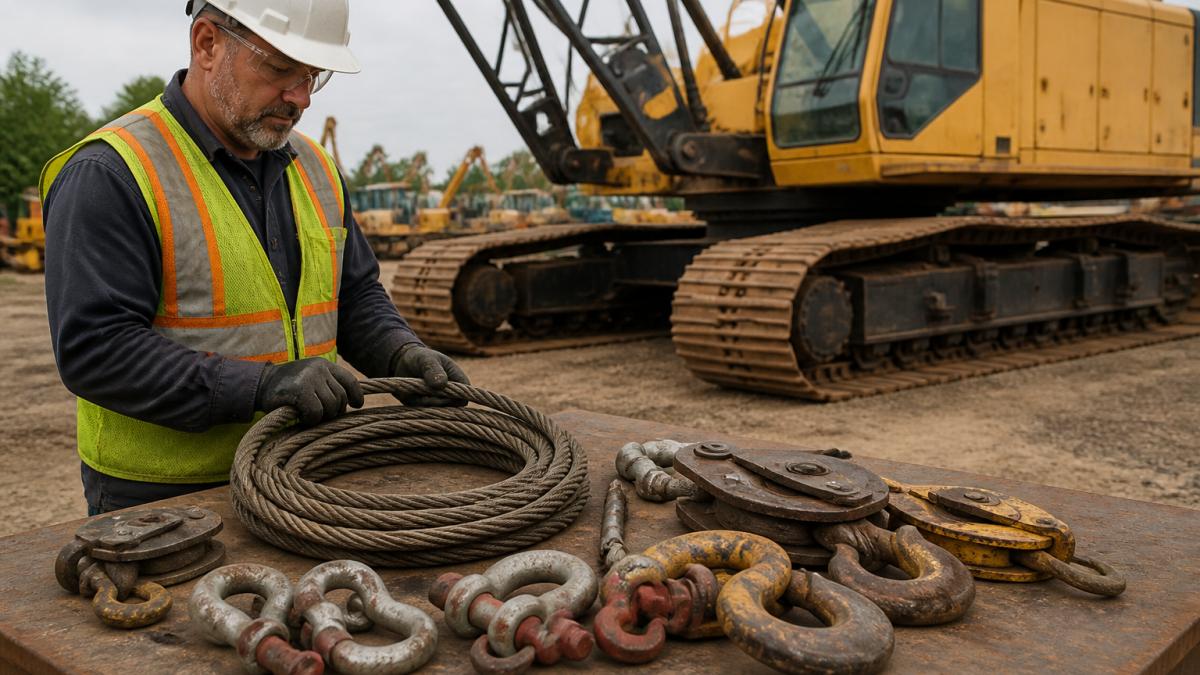
Wire rope is the first item on any serious spares shelf. It wears from bending, abrasion, and load cycles, and a rope that fails inspection takes the crane out of service immediately. Keep a spare reel in the size and construction your hoist specifies, plus the correct wedge sockets and clips to terminate it.
Slings and shackles wear faster than most buyers expect. A common mistake is stocking one sling size and assuming it covers every lift. Match your inventory to the actual rigging configurations your crews run.
Brakes, Clutches, and Hydraulic Components
Brake friction discs, springs, and clutch plates are wear items with a predictable service life. When they go, the crane stops. Keep a brake rebuild kit on hand for each hoist and travel drive, and store hydraulic hoses, fittings, and a seal kit for the main cylinders.
Hydraulic contamination is the quiet killer here. A failed seal on a used machine often signals debris already in the system, so pair your seal kit with fresh filters.
Filters, Seals, and Electrical Parts
The unglamorous parts cause the most call-outs. Fuel filters, hydraulic filters, and air filters protect the engine and hydraulic system from the debris that shortens component life. Electrical spares matter just as much: fuses, relays, limit switches, and a spare control pendant or joystick keep a crane running when a cheap component fails.
- Spare wire rope reel, correct size and construction
- Wedge sockets and clips for termination
- Slings and shackles in your common configurations
- Brake rebuild kit per hoist and travel drive
- Hydraulic hoses, fittings, and cylinder seal kit
- Fuel, hydraulic, and air filter set
- Fuses, relays, limit switches, control pendant
The core spares list breaks into three buckets: lifting hardware, power and control components, and consumables.
| Category | Parts to stock | Why it matters |
|---|---|---|
| Lifting hardware | Spare wire rope reel, wedge sockets and clips | A rope that fails inspection takes the crane out of service |
| Lifting hardware | Slings and shackles in common configurations | Slings and shackles wear faster than most buyers expect |
| Power and control | Brake rebuild kit per hoist and travel drive | Brake friction discs, springs, and clutch plates are wear items |
| Power and control | Hydraulic hoses, fittings, and cylinder seal kit | A failed seal often signals debris already in the system |
| Consumables | Fuel, hydraulic, and air filter set | Filters protect engine and hydraulic system from debris |
| Consumables | Fuses, relays, limit switches, control pendant | Cheap component failures cause the most call-outs |
How OSHA Crane Inspection Requirements Shape Your Parts List
OSHA crane inspection requirements are the single best guide to what you should stock. Federal rules under OSHA's crane standard for construction, 29 CFR 1926 Subpart CC require frequent and periodic inspections of crane components, and any deficiency found during inspection must be corrected before the equipment returns to service.
That requirement has a direct budgeting consequence. If an inspector flags a worn wire rope, a cracked brake component, or a failed limit switch, you cannot run the crane until it is fixed. Having the part on the shelf turns a multi-day shutdown into an afternoon repair.
OEM or Aftermarket Parts: What to Weigh Before You Buy
OEM parts carry the manufacturer's fit and documented specification. Aftermarket parts often cost less and are available faster, but quality varies widely across suppliers. For safety-critical components such as brakes, wire rope, and load-limiting devices, buyers should favor OEM or a supplier who can document equivalent ratings.
Crane Downtime Cost Analysis: What a Missing Part Really Costs
Crane downtime cost analysis usually starts with the rental rate, but the real number is bigger. Add idle labor, delayed schedule penalties, rented replacement equipment, and the administrative drag of rescheduling crews. A single down day on a busy site routinely costs more than a full year of stocking the right spares.
A simple test before every purchase is to price the part, then estimate what one day of downtime costs your operation. If the part costs less than a fraction of that day, it may be worth stocking. For a deeper breakdown of how to calculate the real figure, see our guide to the true cost of equipment downtime.
Used Crane Financing Options That Cover Parts and Equipment
Financing is where most buyers leave money on the table. They finance the crane and pay for parts out of operating cash, then scramble when a repair lands in a slow month. Bundling the initial spares package into the equipment financing spreads that cost across the loan term instead of hitting your cash flow all at once.
For ongoing parts purchasing, a revolving facility fits better than a term loan. A business credit line lets you buy components as failures arise and pay interest only on what you draw. If you need to fund a larger spares inventory or bridge a cash gap while a machine is down, working capital solutions can cover the gap without tying up reserves. Equipment Finance Academy connects buyers with lenders, and approvals and funding timelines vary by application.
Build Your Parts Budget Before You Bid the Next Job
The contractors who win on used equipment are the ones who price the spares before they bid. Build a standing parts budget into every job estimate, review your stock against the inspection checklist each quarter, and finance the initial package so a single failure never stalls a project.
Equipment Finance Academy gives you access to a nationwide lender marketplace, so you can finance the crane and the spares that keep it earning. Get started with Equipment Finance Academy and put your next machine to work without the downtime gamble.
Frequently Asked Questions
What are the most common crane parts that fail?
Wire rope and rigging hardware wear fastest because they take the load every lift. Brake linings, clutch packs, hydraulic hoses, and seals are the next most common failure points on older machines. Filters and electrical components such as limit switches and control relays also fail with age. Keeping these items on the shelf shortens repair time, and a parts budget should be part of any used crane financing options you compare before purchase.
How do you decide which spare parts to keep in inventory?
Start with the crane's maintenance manual and its inspection history. Parts that fail often, take days to ship, or stop the machine completely belong in stock. Consumables like filters, seals, and wire rope should always be on hand. High-cost components such as gearboxes or hydraulic pumps are usually better sourced on demand unless the machine is critical to daily production. A simple crane downtime cost analysis shows which parts justify shelf space.
Is it better to buy OEM or aftermarket spare parts for used cranes?
OEM parts match the original specification and simplify compliance with OSHA crane inspection requirements, but they cost more and can take longer to arrive. Aftermarket parts often cost less and ship faster, though quality varies widely. For load-bearing and safety-critical components, stick with OEM or a certified equivalent. For filters, seals, and cosmetic items, a reputable aftermarket supplier is usually fine.
How does regular maintenance impact the resale value of used cranes?
A documented maintenance record with dated parts replacements gives buyers confidence and supports a higher asking price. Machines with gaps in their inspection log or mismatched components sell at a discount because buyers price in repair risk. If you plan to resell, keep receipts for every OEM part and record each inspection. That paper trail is often worth more than the parts themselves when you list the machine.
A used crane only pays for itself when it keeps lifting. If a missing part is the difference between a productive week and a stalled jobsite, the right financing removes that risk from the equation. Equipment Finance Academy offers fast approvals, same-day funding, and flexible terms built for equipment buyers who cannot afford to wait. Get started with Equipment Finance Academy and keep your fleet running.