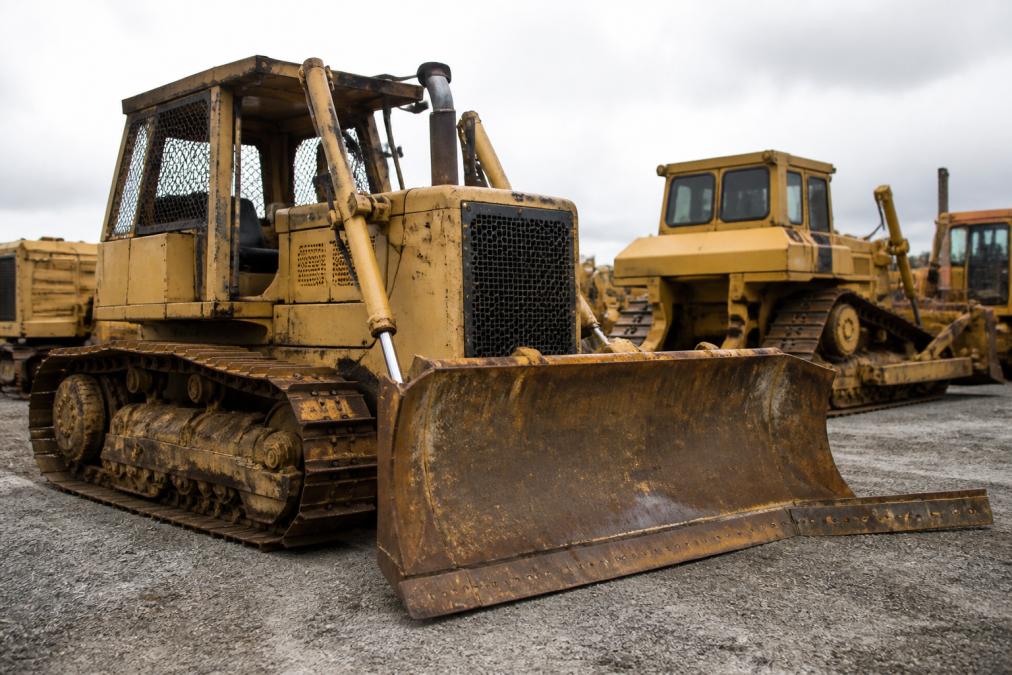
 ultimate-guide
Buying Used Dozers for Contractors: 2026 Guide
Table of Contents
- Why Contractors Buy Used Dozers
- Used Bulldozer Inspection Checklist: What to Examine
- Dozer Undercarriage Wear Guide: Track and Sprocket Assessment
- Reviewing Maintenance History and Service Records
- Heavy Equipment Financing for Contractors
- Matching Machine Size to Your Jobsite Requirements
- Transport, Permits, and Logistics Planning
- Buying Used Dozers on EquipMarket: Verified Sellers and Direct Negotiation
- Frequently Asked Questions
Last Updated: August 22, 2026
Why Contractors Buy Used Dozers
Buying used dozers makes financial sense when capital constraints meet operational demands. A new dozer represents a significant investment, but the used equipment market offers contractors reliable machinery at a fraction of the original cost while preserving cash flow for other priorities.
Used dozers have already absorbed the steepest depreciation, meaning remaining value loss is gradual. They solve the tension between committing substantial capital to new equipment or deploying that capital across multiple projects. For contractors managing fleet capacity or testing equipment before long-term ownership, used machines reduce financial risk.
Used dozers come with operational history. You can inspect maintenance records, verify service hours, and assess how previous operators treated the machine. A well-maintained used dozer with documented service often outperforms a neglected new machine. EquipMarket connects contractors directly with verified sellers who provide transparent equipment history, eliminating guesswork that plagues private sales.
Contractors also benefit from immediate availability. New equipment carries lead times; used dozers are ready to work. For project managers on tight schedules, sourcing equipment, completing inspection, arranging transport, and deploying it within weeks rather than months matters significantly.
Used Bulldozer Inspection Checklist: What to Examine
A thorough inspection protects your investment and prevents costly surprises after purchase. Start with documentation before seeing the dozer in person.
Request complete maintenance records, service history, and the serial number. Verify the serial number against the manufacturer's database to confirm actual age, original specifications, and any recalls. Cross-reference service records against stated operating hours. Gaps in maintenance history signal potential problems.
Bring a qualified technician for physical inspection. The checklist should cover engine performance, hydraulic systems, structural integrity, and undercarriage condition.
Engine Performance and Service Hours
Engine condition determines the machine's working life. Check the service hours displayed on the meter and cross-reference against maintenance records. Machines with low hours but old service dates may have sat idle, which deteriorates engines designed for regular use.
Run the engine and listen for unusual sounds. Knocking, grinding, or excessive rattling indicates internal damage. Blue smoke during startup signals oil burning and worn piston rings. Black smoke suggests fuel system issues. White smoke means coolant entering the combustion chamber, a serious problem.
Examine the oil dipstick for color and consistency. Dark, thick oil suggests inadequate maintenance. Check the radiator for corrosion or leaks. Inspect belts and hoses for cracks or loose connections. Neglected cooling systems cause overheating under load, leading to catastrophic failure on the jobsite.
Hydraulic Systems and Fluid Analysis
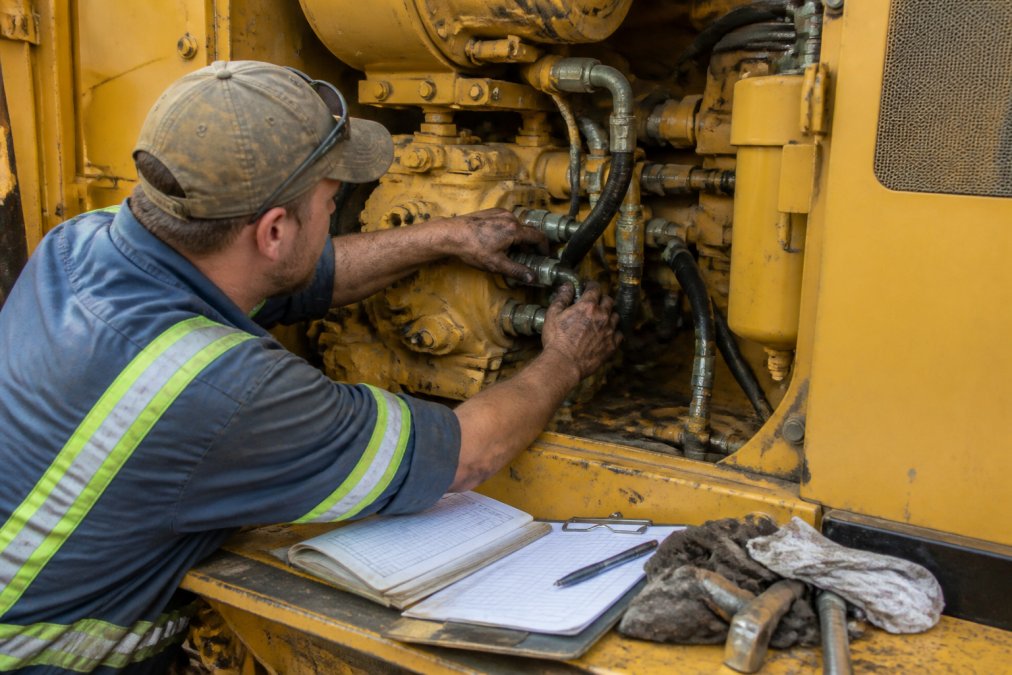
Hydraulic systems power every major dozer function. Inspect all visible hoses for leaks, cracks, or abrasions. Look for hydraulic fluid pooling beneath the machine or staining on the undercarriage.
Check hydraulic fluid color and consistency. Healthy fluid is amber or light brown; dark, burnt-smelling fluid indicates overheating or contamination. Cloudy fluid suggests water infiltration, which destroys components. Request fluid analysis if the machine's history is unclear.
Test hydraulic pressure using a gauge on each circuit and compare against manufacturer specifications. Low pressure means worn pumps or internal leakage. Operate controls through their full range. Response should be smooth and immediate; sluggish movement indicates worn cylinders or valve wear.
Structural Integrity and Welds
Frame cracks or compromised welds create safety hazards and repair costs that often exceed machine value. Inspect the entire frame for visible cracks, especially around welds where the blade and ripper attachment mount, these high-stress zones fail first.
Look for previous welding repairs. Old welds that have cracked again signal the underlying structural problem wasn't properly addressed. Ask for welding certification and repair records.
Check blade condition. A bent or cracked blade reduces efficiency. Inspect the ripper attachment if equipped. Cracked teeth or bent shafts indicate heavy use or abuse.
Dozer Undercarriage Wear Guide: Track and Sprocket Assessment
The undercarriage represents the second-largest maintenance expense after the engine. Track, sprockets, idlers, and rollers wear predictably based on operating hours and jobsite conditions. Understanding these patterns separates a bargain from a money pit.
Undercarriage condition directly impacts ground pressure and machine performance. Worn tracks reduce traction and increase fuel consumption. A full undercarriage replacement costs thousands of dollars. Inspect this system carefully before purchase.
Track Tension and Idler Wear Patterns
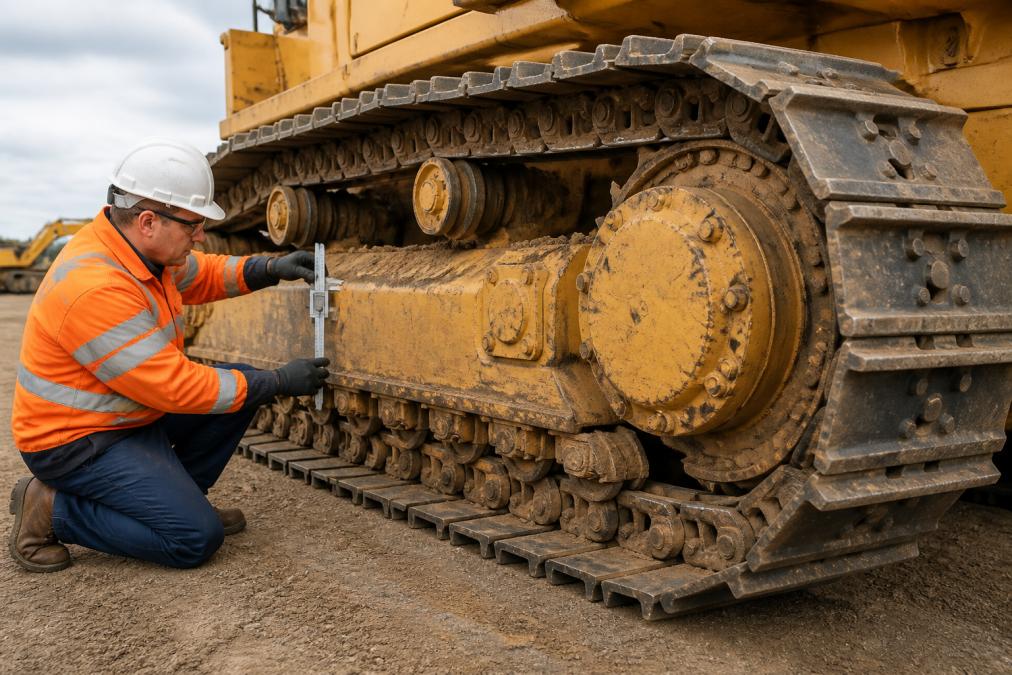
Proper track tension is critical. Loose tracks slip off during operation; over-tensioned tracks accelerate wear on sprockets and idlers. Check tension by pushing on the top run with moderate force. The track should deflect about one inch (the CDC).
Inspect idlers for wear, flat spots, cracks, or severe damage. Worn idlers create uneven track wear and eventually cause failure. Examine track pads for visible tread. Worn smooth pads reduce traction. Measure several pads across the track length. Less than 0.25 inches thickness means replacement is imminent (osha.gov). Uneven wear patterns indicate misalignment or previous damage.
Sprocket and Ground Pressure Evaluation
Sprockets engage the track and transfer power from the engine. Worn sprocket teeth become rounded or hooked instead of sharp, causing track slippage and accelerated pad wear. Inspect teeth closely. Sharp, well-defined teeth indicate low wear; rounded teeth mean replacement is needed soon.
Ground pressure affects jobsite performance. Operating weight divided by track area determines ground pressure. A heavier machine with smaller tracks exerts greater pressure, valuable for certain jobs but causing faster wear in soft ground. Match specifications to your typical jobsite conditions.
Check for cracked or bent track links. A single failed link causes track separation. Look for missing or loose bolts holding track segments together. Missing bolts must be replaced immediately or the track will separate.
Reviewing Maintenance History and Service Records
Maintenance history tells how a dozer was treated. Consistent, documented service indicates an owner who understood the machine's value. Gaps in records or vague entries suggest neglect.
Request all available service records. Look for regular oil and filter changes, hydraulic fluid service, track adjustments, and component replacements. Pay attention to major repairs and replacements. A new engine or transmission extends useful life but increases cost history.
Cross-reference service intervals against manufacturer recommendations. Dozers typically require oil changes every 250 operating hours, hydraulic fluid service every 1,000 hours, and track adjustments every 500 hours (peer-reviewed research). Machines following these intervals are more reliable.
Heavy Equipment Financing for Contractors
Financing used dozers requires understanding your options and calculating total cost of ownership. Most contractors cannot pay cash for equipment. Strategic financing preserves working capital and spreads costs across the machine's productive life.
Financing Options and Capital Expenditure Planning
Equipment financing comes in several forms. Traditional bank loans offer competitive rates for established contractors with strong credit. Longer terms lower monthly payments but increase total interest paid. Five-year terms are common for used equipment.
Equipment leasing provides an alternative to ownership. Monthly lease payments are often lower than loan payments, and the lessor handles maintenance. However, you build no equity in leased equipment.
Calculate your capital expenditure budget realistically. Include purchase price, transport, inspection, insurance, and initial repairs. Set aside 10-15% of the purchase price for unexpected repairs during the first year.
Insurance and Total Cost of Ownership
Equipment insurance protects your investment. Comprehensive coverage includes damage from accidents, weather, theft, and vandalism. Most lenders require full coverage.
Total cost of ownership includes purchase price, financing costs, insurance, maintenance, fuel, and eventual depreciation. A cheaper machine with high maintenance costs may cost more over five years than a more expensive machine in excellent condition. Calculate TCO before deciding.
Fuel consumption varies based on machine age and condition. Older machines often consume more fuel. Factor fuel costs into project budgeting.
Matching Machine Size to Your Jobsite Requirements
Dozer size determines what work it can accomplish and where it operates effectively. Oversized equipment wastes fuel and money; undersized equipment cannot complete jobs efficiently.
Small dozers (under 75 horsepower) work well for landscaping and light site prep. Medium dozers (75-150 horsepower) handle general construction and grading. Large dozers (over 150 horsepower) tackle heavy earthmoving and large-scale development. Consider the work you perform most frequently.
Blade width affects production rates. Wider blades move more material per pass but require more power and space. Ripper attachments extend versatility for breaking hard ground. Operating weight influences ground pressure and traction. Match weight to your typical soil conditions.
Transport, Permits, and Logistics Planning
Moving a dozer from the seller's location to your jobsite requires planning. Heavy equipment transport requires specialized trailers and often needs oversized load permits. Transport costs typically range based on distance and local regulations.
Some transport companies offer door-to-door delivery; others drop equipment at a central location. Clarify delivery terms with your provider. Arrange for equipment inspection before transport. Plan your receiving site carefully with a level, stable surface for unloading. Arrange for heavy equipment operators to be present during unloading.
Buying Used Dozers on EquipMarket: Verified Sellers and Direct Negotiation
EquipMarket simplifies buying used dozers by connecting you directly with verified sellers. The marketplace eliminates middlemen, reduces transaction costs, and gives you control over the entire process.
Verified sellers provide transparent listings with accurate specifications, complete maintenance records, and real photographs. Advanced search filters let you narrow options by horsepower, operating hours, blade width, and location.
Direct negotiation with sellers gives you flexibility. You control the inspection process, transport arrangements, and payment terms. Unlike auctions, EquipMarket lets you walk away if the machine doesn't meet your standards.
The platform provides secure communication tools for detailed questions before committing. Sellers who respond quickly and thoroughly are more likely trustworthy. Request additional photographs, maintenance documentation, or video calls to inspect remotely before traveling.
EquipMarket's value estimator tool helps assess fair pricing. Compare asking prices against similar machines' recent sales to ensure you're not overpaying. Use this data during negotiation.
Once you've identified a machine meeting your specifications, arrange a thorough in-person inspection. Bring a qualified technician if you lack heavy equipment experience. Use the inspection checklist to systematically evaluate the dozer. Document findings with photographs and notes.
Negotiate based on inspection results. If the machine needs repairs, factor those costs into your offer. A reasonable offer backed by documented inspection findings is more likely to succeed than a lowball bid without justification.
Buying used dozers requires balancing opportunity with caution. The used equipment market offers tremendous value, but only if you inspect thoroughly and understand true costs. EquipMarket gives you access to verified sellers, transparent listings, and direct negotiation capabilities. Start by defining your machine requirements, browse available inventory with advanced filters, connect with sellers meeting your standards, and use systematic inspection to confirm condition before committing. The difference between a smart purchase and a costly mistake comes down to preparation and verification.
Frequently Asked Questions
Q: What should I inspect when buying a used dozer?
A: Start with engine condition: check compression, listen for abnormal noise, and verify service hours against maintenance records. Inspect the hydraulic system for leaks and test pressure. Examine the undercarriage carefully for track wear, sprocket damage, and idler condition. Check blade condition, ripper attachment function, joystick controls responsiveness, and structural integrity for cracks or welding repairs. Review full maintenance history and fluid analysis reports. A thorough inspection prevents costly repairs after purchase.
Q: How many hours is considered high for a used dozer?
A: Dozers typically have a productive lifespan of 8,000 to 12,000 service hours. Equipment above 10,000 hours may require more frequent preventative maintenance and higher capital expenditure on replacement parts. However, hours alone don't determine value, a well-maintained dozer with 9,000 hours and complete service records is often preferable to a neglected machine with 6,000 hours. Evaluate total wear patterns, idle time, and depreciation alongside operating hours.
Q: How do I verify the maintenance history of a used dozer?
A: Request complete service records from the seller, including fluid analysis reports, filter changes, hydraulic system servicing, and any major repairs. Cross-reference the equipment's serial number with the manufacturer's database when possible. Ask for documentation of preventative maintenance schedules and any downtime for repairs. Legitimate sellers on verified platforms like EquipMarket provide transparent maintenance documentation. Red flags include missing records, vague service history, or refusal to provide detailed logs.
Q: What financing options are available for used dozers?
A: Options include equipment loans from traditional banks, SBA loans for small contractors, dealer financing, and lease-to-own arrangements. Many lenders offer terms of 3 to 7 years with rates varying by credit profile and equipment condition. Calculate total cost of ownership including insurance, maintenance, transport, and depreciation before committing. Budget for post-purchase maintenance schedules and factor insurance costs into your capital expenditure planning.
Q: How does dozer undercarriage wear affect resale value?
A: Undercarriage condition is one of the largest value drivers in used dozer pricing. Significant wear on tracks, sprockets, and idlers indicates heavy use and future replacement costs. Ground pressure, track tension, and wear patterns directly influence operating weight distribution and efficiency. A dozer with worn undercarriage components may require $5,000 to $15,000 in replacement parts. Always have the undercarriage professionally assessed as part of your inspection to accurately estimate depreciation and total cost of ownership.
Q: Should I buy a dozer with high idle time?
A: High idle time can be either positive or negative. Equipment that sat idle but was properly maintained may have less wear than constantly operated machines. However, extended idle periods without use can cause fluid degradation, corrosion, and seal damage. Request fluid analysis reports to assess internal condition. Compare idle time against service hours, a dozer with 8,000 hours and 2,000 idle hours may be in better condition than one with 10,000 continuous operating hours.
Q: What are the most reliable brands for used construction dozers?
A: Caterpillar, Komatsu, and John Deere dominate the used dozer market with strong resale value and parts availability. Tier 4 emissions-compliant models from these manufacturers offer better fuel efficiency and lower operating costs. Reliability depends more on maintenance history and operating hours than brand alone. Verify each machine's specific model year, horsepower rating, and jobsite application history. Cross-reference service records and fluid analysis to confirm actual condition regardless of brand reputation.