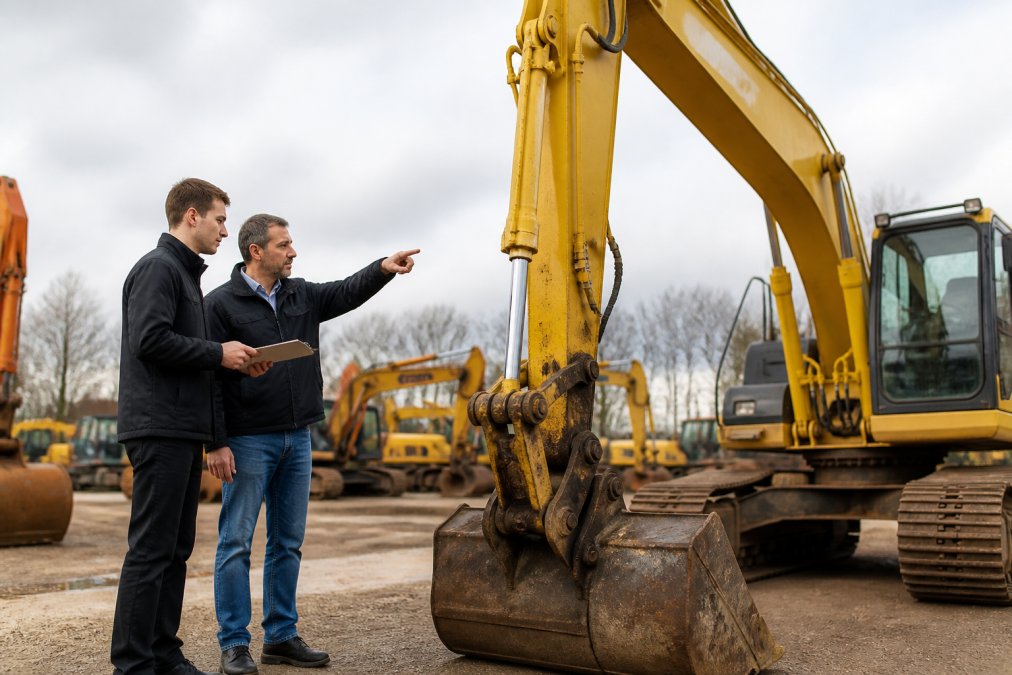
 ultimate-guide
Buying Used Heavy Equipment: A 2026 Guide
Table of Contents
- Why Buying Used Heavy Equipment Requires a Structured Approach
- Heavy Equipment Inspection Checklist: What to Examine Before You Buy
- Verifying Machine History: Maintenance Logs and Service Records
- Heavy Equipment Auction Tips: Bidding Smart and Avoiding Overpriced Deals
- Total Cost of Ownership for Heavy Equipment: Beyond the Purchase Price
- Key Questions to Ask the Seller and Documents to Request
- Post-Purchase Logistics: Inspection, Transport, and Warranty Considerations
- Frequently Asked Questions
Last Updated: September 1, 2026
Why Buying Used Heavy Equipment Requires a Structured Approach
Buying used heavy equipment isn't like purchasing a used car. The stakes are higher, the machines are complex, and a bad decision can cost tens of thousands of dollars or derail your project timeline. Heavy machinery depreciates significantly, wears unevenly depending on how it was operated, and can hide critical damage beneath paint and cosmetic repairs. A loader that looks pristine might have a failing hydraulic system. An excavator with low operating hours could have been sitting idle in harsh weather, corroding from the inside out.
At EquipMarket, we connect buyers with verified sellers, offering a wide range of equipment. Spending a few hours on inspection and verification upfront saves months of downtime and thousands in unexpected repairs later.
Heavy Equipment Inspection Checklist: What to Examine Before You Buy
A proper inspection covers three critical areas: visual and structural condition, engine and hydraulic performance, and undercarriage integrity. Each area reveals different types of wear and damage.
Visual and Structural Inspection
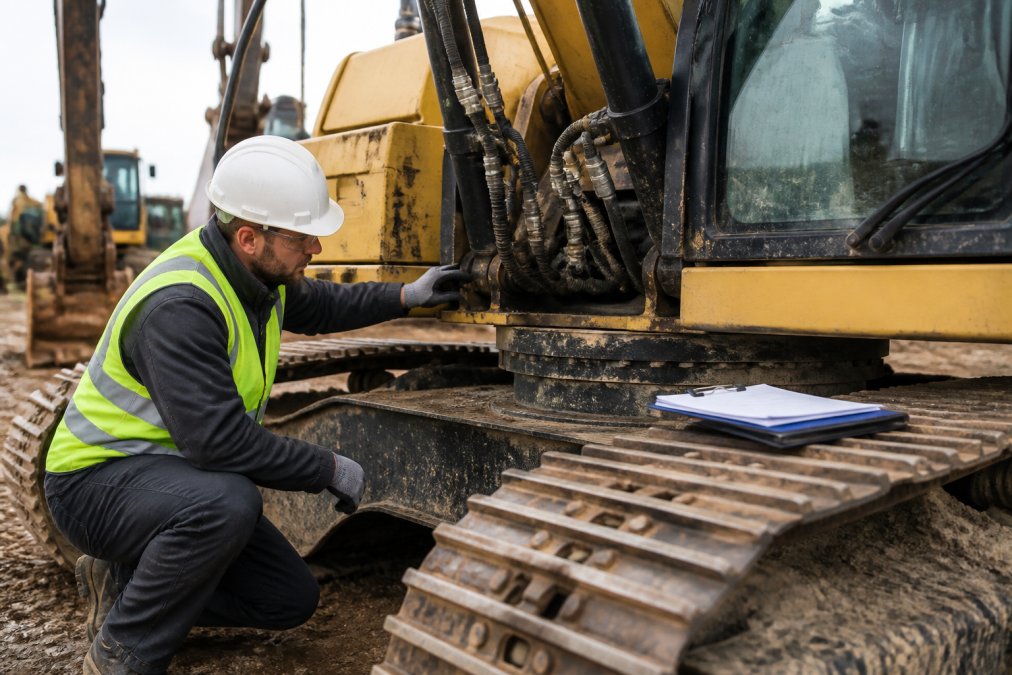
Walk the entire machine slowly, looking for rust, dents, cracks, and mismatched paint (a sign of repairs). Pay special attention to welds, joints, and attachment points where stress concentrates. Rust on the frame or boom indicates corrosion that weakens structural integrity over time.
Check the cab for cracks, worn seats, and functioning controls. Test all hydraulic cylinders by extending and retracting them smoothly; jerky movement suggests internal wear. Inspect hoses and connections for leaks, cracks, or deterioration. Even small hydraulic leaks compound over time, leading to system failure and expensive downtime.
Faded or peeling paint suggests the machine spent years outdoors without protection. Mismatched paint on panels indicates previous damage and repairs.
Engine, Hydraulic System, and Powertrain Assessment
Start the engine cold and listen for knocking, grinding, or unusual noises. Black or blue smoke from the exhaust indicates burning oil, a sign of internal engine wear. Let it idle for several minutes and watch the oil pressure gauge; it should stabilize in the normal range within seconds.
Request an oil sample if the seller allows it. Fluid analysis can reveal metal particles, contamination, or breakdown that indicates internal damage.
Check the hydraulic fluid color and consistency. Dark or cloudy fluid suggests contamination or degradation. Operate the machine's primary functions, bucket curl, boom raise, swing, and feel for smooth, responsive movement. Sluggish or delayed response indicates worn seals or pump wear, which are expensive to repair.
Undercarriage, Tires, and Attachments
For tracked equipment, inspect the track for cracks, missing bolts, or uneven wear. Spin the tracks by hand; they should rotate freely without binding. Check for broken or bent track shoes and misaligned rollers.
For wheeled equipment, examine tire tread depth, sidewall cracks, and signs of uneven wear. Uneven wear often indicates alignment issues or suspension problems.
Inspect all attachments, buckets, blades, grapples, for cracks, bent teeth, and wear. Verify that all pins, bolts, and fasteners are present and tight.
Verifying Machine History: Maintenance Logs and Service Records
Request complete maintenance logs and service records from the seller. A well-maintained machine will have documentation of regular oil changes, filter replacements, major repairs, and component replacements.
Look for patterns. Machines with consistent maintenance intervals typically perform better than those with sporadic service. If records show major repairs, understand what triggered them and whether the work was done properly.
Ask about total operating hours and how the machine was used. An excavator with 5,000 hours used in light demolition differs significantly from one with 3,000 hours in heavy mining. Operating conditions determine wear rates more than hours alone.
Verify the serial number against the title and any registration documents. Mismatched serial numbers are a major red flag for fraud or stolen equipment.
Heavy Equipment Auction Tips: Bidding Smart and Avoiding Overpriced Deals
Auctions move fast, and that speed creates opportunities for fraud. Beyond setting a maximum bid, you need to actively identify red flags that signal scams, title issues, and misrepresented equipment.
Spotting Fraud and Fake Listings
The most common fraud is title fraud, a seller offering equipment they don't legally own, often because it's liened, stolen, or subject to an outstanding loan. Before bidding, verify ownership through the equipment's title document. Check that the seller's name matches the title holder exactly.
Another red flag is misrepresented operating hours. Cross-reference reported hours against maintenance intervals in service logs. If records show oil changes every 250 hours but the meter reads 8,000 hours with only three documented services, the hours are likely false.
Fake listings use stock photos, vague descriptions, or photos from multiple different machines presented as one unit. Legitimate sellers provide multiple high-resolution photos from different angles, close-ups of the serial number plate, and photos of maintenance records. Request a video walkthrough where the seller demonstrates the machine starting, operating basic functions, and shows the hour meter and serial number in real time.
Price anomalies are telling. A machine priced 15-25% below comparable market value often has undisclosed damage, title problems, or mechanical issues (auctioneers.org). Use multiple sources to establish fair market value: dealer listings, recent auction results, and classified ads.
Verifying Title and Ownership
Request a title search before committing funds. Verify the title is clear (no liens), the VIN or serial number matches the equipment, and the seller is the registered owner. Check for outstanding loans against the equipment. A liened machine cannot be legally sold without the lien being satisfied.
For equipment purchased at auction, verify the auction house's authority to sell. Reputable auction companies conduct title searches and disclose known liens or ownership issues.
Setting Your Maximum Bid
Determine your maximum bid by calculating what the machine is worth based on its condition, age, and market comparables. Research similar machines sold in the past 30-60 days to establish a realistic range. Don't let auction momentum push you above that number.
Factor in the total cost of ownership, not just the purchase price. Build a buffer into your bid for unexpected repairs discovered after purchase, typically 10-15% of the purchase price for used equipment.
Red Flags That Should Stop You From Bidding
Walk away if the seller avoids answering specific questions about maintenance history, operating hours, or reason for sale. Legitimate sellers are transparent about their equipment's condition and history. Pressure to bid quickly, limited time to inspect, or refusal to provide documentation are all warning signs.
Be wary of machines with incomplete or missing documentation. Equipment with multiple owners in a short timeframe (three or more in five years) suggests chronic problems.
Total Cost of Ownership for Heavy Equipment: Beyond the Purchase Price
The purchase price is only the beginning. Total cost of ownership includes maintenance, repairs, fuel, operator wages, transportation, and depreciation. A machine purchased at a lower price but requiring significant repairs may have a higher total cost of ownership than one priced higher but in excellent condition (peer-reviewed research).
Budget for preventative maintenance, regular oil changes, filter replacements, seal inspections, which cost far less than emergency repairs. Consider financing costs if you're borrowing; interest rates and loan terms affect the true cost significantly. Factor in resale value; some equipment models hold value better than others depending on demand, reliability reputation, and availability of parts.
Key Questions to Ask the Seller and Documents to Request
Before committing to a purchase, ask questions that reveal the machine's true condition and history.
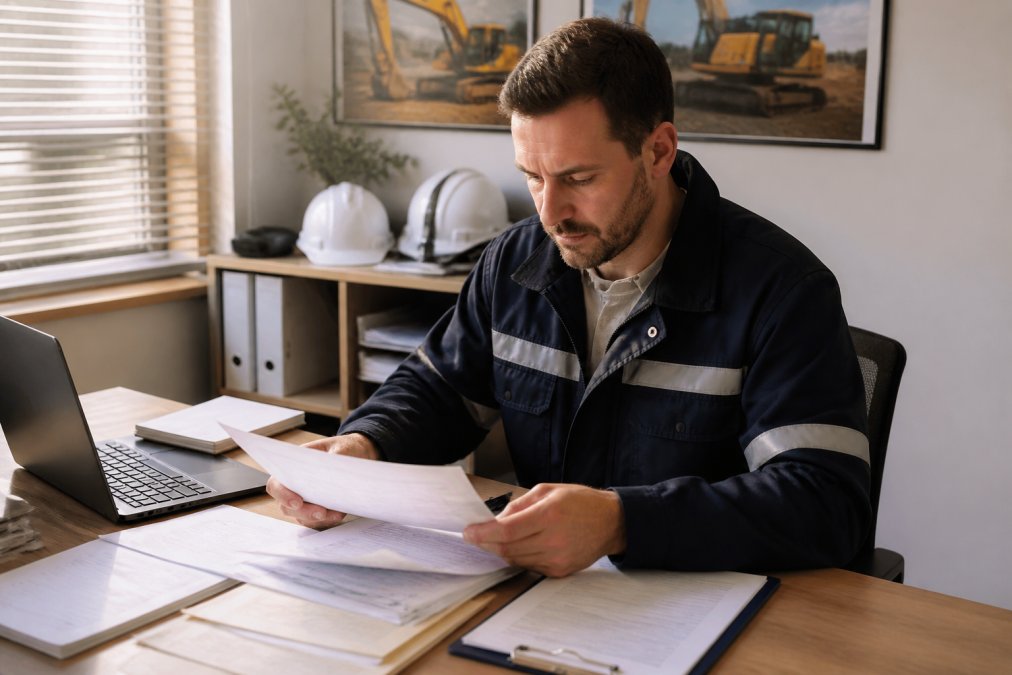
Ask about the reason for selling. Is the owner upgrading to newer equipment, retiring from business, or switching equipment types? Request complete maintenance records, including dates and descriptions of all service performed. Ask about any major repairs, component replacements, or warranty work, and who performed the work.
Ask about the machine's primary use and operating conditions. How many hours per day was it typically operated? Was it used seasonally or year-round? Request the original purchase documentation, including the invoice and specifications. Ask about fuel consumption and operating costs compared to manufacturer specifications.
Request the title and proof of ownership. Verify the seller's name matches the title. Check for liens or outstanding loans against the equipment.
Post-Purchase Logistics: Inspection, Transport, and Warranty Considerations
After you've agreed on a price, several critical steps remain before the machine is ready to work.
Pre-Delivery Inspection and Acceptance
Arrange a final pre-delivery inspection to confirm the machine's condition hasn't changed since your initial assessment. Have the seller demonstrate that all functions operate as expected. Document everything in writing, including the machine's condition, operating hours, and any defects noted.
Before accepting delivery, verify all components are present and functional. Take photos and video of the equipment's condition at delivery. Document any damage that occurred during transport separately from pre-existing wear.
Transportation and Logistics Costs
Heavy equipment requires specialized transport. Flatbed trailers must be rated for the equipment's weight, and the load must be properly secured. Longer distances or oversized loads require permits and specialized routing.
Hire experienced heavy haul companies familiar with your equipment type. Ask for references and verify they carry liability insurance. Get a written quote that specifies pickup and delivery dates, equipment specifications, and insurance coverage.
Factor transportation into your total budget before purchase.
Warranty Coverage and Service Contracts
Most used equipment is sold as-is without warranty. However, some dealers and private sellers offer limited warranties on major components for 30-90 days or a specified number of operating hours. Get any warranty terms in writing.
Negotiate warranty terms as part of the purchase agreement. If the seller is unwilling to offer any warranty, ask for a price reduction to offset the risk.
Consider purchasing an extended service contract from a dealer or third-party provider. Read service contract terms carefully to understand what's covered, what's excluded, and whether the contract covers parts and labor or parts only.
Hidden Post-Purchase Costs
Initial Servicing and Inspection: Budget for a comprehensive inspection and service immediately after delivery, including fluid changes, filter replacements, seal inspections, and minor repairs.
Insurance: Equipment insurance is typically required if you're financing the equipment.
Compliance and Registration: Some equipment requires registration with state or local authorities.
Repairs and Replacement Parts: Budget for repairs during the first year of ownership. Maintain a contingency fund for unexpected repairs.
Fuel and Operating Costs: A large excavator burns 3-5 gallons per hour under typical use (cat.com).
Documentation and Record Keeping
Upon delivery, organize and retain all documentation: title, bill of sale, maintenance records, warranty documents, service contracts, and inspection reports. Create a digital backup of all records. Maintain a log of all maintenance and repairs performed after purchase, including dates, descriptions of work, parts replaced, and costs. This documentation supports warranty claims, proves you've maintained the equipment properly, and establishes a maintenance history that protects resale value.
Frequently Asked Questions
Q: What should I inspect before buying used heavy equipment?
A: Start with the undercarriage, looking for rust, corrosion, and structural damage. Check operating hours on the meter and cross-reference against maintenance logs. Inspect the hydraulic system for leaks, examine the engine for exhaust smoke, and test all attachments. Request fluid analysis samples to verify oil condition. Verify the serial number against the title and check for any outstanding liens. A thorough inspection prevents costly repairs after purchase.
Q: How do I verify the maintenance history of used construction machinery?
A: Request complete service records from the seller covering the equipment's entire ownership period. Look for regular preventative maintenance entries, fluid changes, and repairs. Cross-check operating hours against the machine's meter reading. Ask for receipts from authorized dealers or certified technicians. Use telematics data if available, modern equipment often logs service events digitally. Gaps in maintenance records are a red flag for neglected equipment or potential fraud.
Q: What is total cost of ownership for heavy equipment, and why does it matter?
A: Total cost of ownership includes the purchase price plus fuel, maintenance, repairs, financing costs, insurance, and eventual depreciation. For used equipment, factor in likely repair expenses based on age and condition. Calculate annual operating costs by dividing total expected expenses by years of planned use. This metric reveals whether a cheaper machine actually costs more to operate long-term. Understanding TCO prevents choosing equipment that drains cash flow through hidden expenses.
Q: What are the red flags when buying used excavators or dozers?
A: Watch for missing or inconsistent maintenance records, excessive exhaust smoke, hydraulic leaks, or rust and corrosion on critical components. Be cautious if the seller cannot provide a clear title or serial number verification. Unusually low prices compared to market value often signal hidden damage or fraud. Avoid equipment with heavily worn attachments or structural cracks. If the seller resists inspection or pressures you to decide quickly, walk away.
Q: How do I avoid fraud when buying used heavy equipment online?
A: Verify the seller's legitimacy by checking references and past transactions. Confirm the equipment's serial number matches the title and registration. Request photos from multiple angles and angles including the serial plate. Arrange an independent third-party inspection before committing funds. Use secure payment methods with buyer protection. Meet the seller in person or hire a local inspector if purchasing remotely. Never wire payment before physically inspecting the machine.
Q: What documents should I request when purchasing used machinery?
A: Obtain the original title or bill of sale, complete maintenance and service records, equipment specification sheets, and warranty documentation if transferable. Request lien searches to confirm no outstanding debt. Ask for operator manuals and parts diagrams. Verify the serial number on all documents matches the physical machine. Get written confirmation of any warranty or service contract terms. These documents protect you legally and prove the equipment's condition and history.