 blog
blog
Compare Heavy Machinery Listing Platforms: 2026 Guide
Table of Contents
- Why Choosing the Right Heavy Machinery Listing Platform Matters
- Key Criteria for Evaluating Heavy Machinery Listing Platforms
- How to Inspect Used Heavy Machinery Before Committing
- Heavy Equipment Financing Options for Marketplace Purchases
- Tips for Buying Heavy Equipment Online Successfully
- What Sets EquipMarket Apart
- Conclusion
- Frequently Asked Questions
Last Updated: August 23, 2026
Why Choosing the Right Heavy Machinery Listing Platform Matters
Finding the right heavy machinery listing platform determines whether you move inventory quickly or watch equipment sit idle for months. A poor platform choice wastes time, exposes you to fraud, and costs real money through excessive fees or failed transactions. The platform you choose determines not just whether you'll find what you need, but how safely and efficiently you'll complete the transaction.
This guide breaks down what to look for in a heavy machinery listing platform, how to evaluate equipment remotely, and how to navigate the entire process from initial search to final delivery.
Key Criteria for Evaluating Heavy Machinery Listing Platforms
The best platforms share certain characteristics: verified seller networks, strong inspection capabilities, secure payment processing, and transparent transaction terms. A platform that cuts corners on any of these elements will cost you far more than any listing fees you might save.
Seller verification and fraud prevention
The first question you should ask any heavy machinery listing platform: how do they verify sellers? A legitimate marketplace requires sellers to provide documentation before listing equipment, including business licenses, equipment titles, and confirmation that machinery actually exists.
Look for platforms that maintain active vetting processes with verified seller badges, visible transaction history, past buyer feedback, and complaint records. The best platforms actively monitor listings for red flags, suspiciously low prices, stock photos, or sellers with multiple complaints, and remove bad actors quickly.
Equipment inspection capabilities
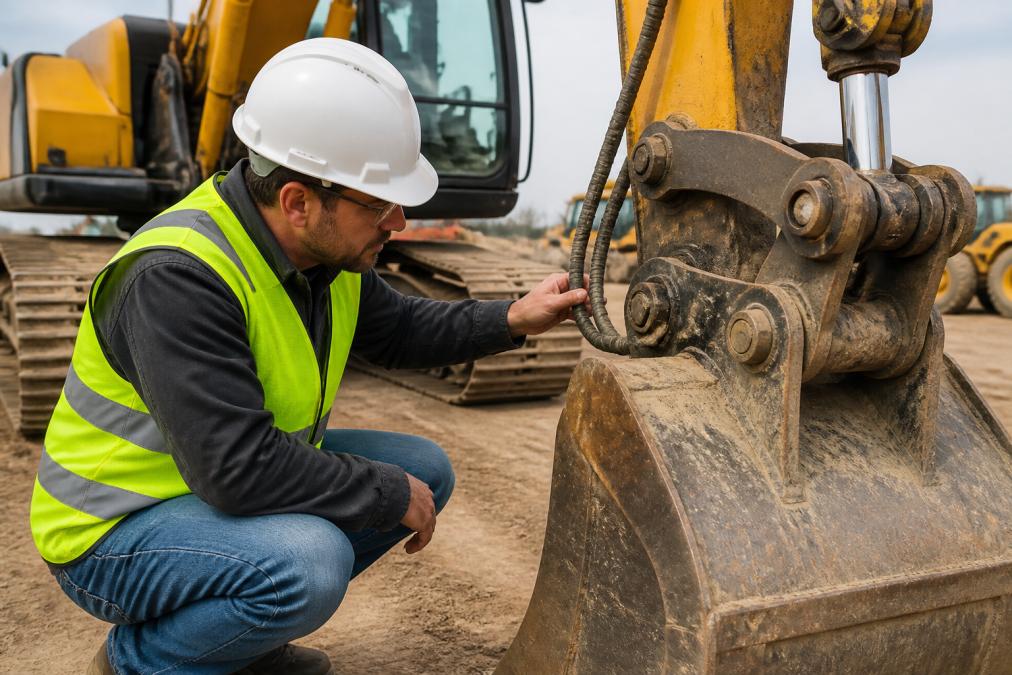
You cannot inspect heavy machinery through a computer screen, but a good platform makes remote verification as thorough as possible. The best platforms require sellers to provide detailed equipment condition reports including operational status, maintenance history, hours of use, and visible wear or damage. Photos should show multiple angles, close-ups of engines or hydraulic systems, and overall condition.
Platforms that facilitate third-party inspections add another layer of confidence. Some marketplaces partner with certified equipment inspectors who can perform on-site evaluations and provide detailed reports. Serial number and title verification should be built into the platform's process, preventing stolen or counterfeit machinery from slipping through.
Look for platforms that allow direct communication with sellers about equipment specifics. A seller willing to provide maintenance records and answer detailed questions is far more trustworthy than one who deflects or provides vague answers.
Transaction security and payment options
Secure payment processing means the platform acts as an intermediary. Your money goes to the platform, not directly to the seller. The seller doesn't receive payment until you've confirmed receipt and acceptable condition of the equipment.
Payment options matter too. Platforms accepting multiple methods, credit cards, wire transfers, financing partnerships, give you flexibility and additional protections. Escrow services are another strong indicator of platform legitimacy, with money held until all conditions of the sale are met.
Review the platform's policies on refunds, disputes, and transaction cancellation. A platform with clear, buyer-friendly policies demonstrates confidence in their vetting process.
How to Inspect Used Heavy Machinery Before Committing
Remote inspection is an art and a science. Systematic verification techniques can get you surprisingly close to the certainty of in-person inspection.
Remote verification techniques
Study photos methodically. Look for inconsistencies between images. Check lighting and background, professional photos taken in good lighting with clear backgrounds suggest a seller who's invested in presenting equipment honestly.
Ask for a video walkthrough showing the equipment from multiple angles, the operator starting it up, and basic hydraulic systems functioning. This tells you far more than static photos. A seller unwilling to provide video should raise your suspicion.
Examine the serial number and documentation carefully. Cross-reference the serial number against the title and any maintenance records provided. Verify that the equipment's year, model, and specifications match what's listed. Discrepancies here are serious warning signs.
Request maintenance records and service history. Well-maintained equipment has documentation. Check the equipment's operational hours if available, for machinery like excavators or dozers, hours of use are critical to assessing remaining useful life.
Serial number and title verification
Never skip this step. The serial number should appear on the equipment itself, typically on a nameplate near the engine or frame. Match this number against the equipment's title and any documentation provided. They must align perfectly.
Use the manufacturer's database to verify the equipment's specifications and confirm whether the equipment has been reported as stolen or salvaged. Title verification is equally important, the seller should provide a clear title or bill of sale with all liens satisfied.
Consider hiring a title search service for high-value equipment. The cost is minimal compared to the protection you gain.
Heavy Equipment Financing Options for Marketplace Purchases
Many heavy machinery listing platforms partner with equipment financing specialists, allowing you to secure pre-approval before making an offer. Traditional equipment financing typically requires 20-30% down payment, with the remainder financed over 3-7 years depending on equipment type and your credit profile (sba.gov).
Some contractors explore sale-leaseback arrangements for expensive equipment they don't need long-term. This preserves capital and can offer tax advantages, though it costs more overall than outright ownership.
Understand the tax implications of your purchase. Equipment purchases may qualify for Section 179 deductions or bonus depreciation (irs.gov). Consult with your accountant before finalizing the purchase to ensure you're capturing available tax benefits.
Tips for Buying Heavy Equipment Online Successfully
Buying heavy equipment online demands a more deliberate and verification-focused approach than purchasing from a local dealer.
Negotiating price and terms
Start by researching comparable equipment to understand market pricing. Equipment with higher hours, visible wear, or older models should be priced accordingly. If a listing seems underpriced relative to comparables, dig deeper into the equipment's condition and history.
Make an informed offer based on your research. A reasonable offer, typically 5-15% below asking price, opens dialogue. Include contingencies: acceptance is contingent on satisfactory inspection, title verification, and equipment arriving in described condition.
Negotiate terms beyond just price. Discuss who covers transportation costs, whether the seller will facilitate third-party inspection, and what happens if equipment arrives damaged. Get everything in writing through the platform's purchase agreement.
Logistics and freight considerations
Transportation is often the hidden cost in heavy equipment purchases. A $50,000 excavator can cost $3,000-$8,000 to transport depending on distance and equipment size (ata.org). Budget for this upfront.
Get freight quotes before finalizing the purchase. Contact 2-3 heavy equipment transport companies and provide equipment specifications, current location, and destination. Quotes vary significantly based on distance, equipment weight, and accessibility.
Verify that the seller's location is accessible for equipment pickup. Some equipment stored on job sites requires special equipment or additional handling to extract. Inspect equipment upon delivery before signing off, documenting any damage or discrepancies with photos.
What Sets EquipMarket Apart
EquipMarket addresses core frustrations that plague traditional heavy machinery buying and selling by connecting verified sellers with qualified buyers across the country. Every seller on EquipMarket provides documentation and goes through vetting before listing equipment, eliminating the vast majority of fraud risk.
Advanced search filters let you narrow equipment by specific criteria, model, year, hours of use, price range, and location. Direct communication with sellers through secure inquiry forms keeps your contact information protected while allowing detailed negotiation and question-asking.
The value estimator tool helps you understand fair market pricing for equipment you're considering, transforming you from a passive buyer into an informed negotiator. Arrange inspections, transport, and payment on your terms with flexibility to structure deals that work for your business.
For sellers, EquipMarket provides access to a national buyer network. Equipment that might sit for months at a local dealership can sell quickly when exposed to qualified buyers across the entire country.
Conclusion
Choosing the right heavy machinery listing platform requires understanding what separates legitimate marketplaces from risky alternatives. Seller verification, inspection capabilities, and secure payment processing are the foundation of safe transactions in heavy equipment trading.
EquipMarket delivers on all three fronts. The verified seller network eliminates uncertainty, advanced search filters and direct seller communication simplify the buying process, and the value estimator tool ensures you're making informed pricing decisions. Start selling today and reach qualified buyers across the country, or find exactly the equipment you need for your next project with confidence that every transaction is backed by a trustworthy marketplace.
Frequently Asked Questions
How do I verify a seller on heavy machinery listing platforms?
Look for verified seller badges, check feedback ratings from previous transactions, and request documentation like business licenses and references. Most platforms display seller history and transaction records. Ask for proof of equipment ownership, inspect serial numbers against title documents, and use video calls to communicate directly with sellers before committing to a purchase.
What should I look for when comparing heavy machinery listing platforms?
Prioritize seller verification systems, equipment inspection capabilities, payment security features, and transaction transparency. Compare the range of equipment available in your region, available financing options, and how the platform handles disputes. Check whether they offer value estimator tools, direct seller communication, and clear fee structures to understand total cost of ownership.
What fees should I expect when using an online heavy equipment marketplace?
Fees vary significantly by platform. Some charge listing fees, buyer premiums, or commission percentages on completed sales. Before committing to a platform, visit their website for current pricing details. Factor these costs into your total cost of ownership calculation, especially if you're buying or selling multiple units. Compare fee structures across platforms to avoid unexpected costs.
Is it safer to buy heavy machinery through an auction or a listing platform?
Listing platforms often provide more control over negotiation and inspection timelines, while auctions move faster but may limit inspection periods. Listing platforms typically feature verified sellers and direct communication, reducing fraud risk. Auctions offer competitive pricing but less time to verify equipment condition. Your choice depends on whether you prioritize speed, price, or inspection thoroughness.