 comparison
Heavy Equipment Buy and Sell: Platforms and Strategies
Table of Contents
- Where to Buy and Sell Heavy Equipment
- Heavy Equipment Marketplace Comparison
- Used Heavy Equipment for Sale: What to Look For
- How to Sell Used Construction Equipment Effectively
- Used Equipment Financing Options
- Fraud Prevention and Secure Transactions
- Equipment Transport and Logistics
- Frequently Asked Questions
Last Updated: October 12, 2026
Where to Buy and Sell Heavy Equipment
Finding the right marketplace for heavy equipment transactions requires understanding your options. The landscape includes online platforms, specialized dealers, and peer-to-peer networks, each with distinct advantages depending on whether you're buying or selling.
Heavy equipment buy and sell transactions happen across multiple channels. Your choice depends on equipment type, timeline, budget, and whether you need financing or logistics support. Some sellers prefer the reach of online marketplaces.
Many construction companies, logistics operators, and equipment owners face the same core challenge: finding reliable buyers or sellers while avoiding fraud and securing fair pricing.
The three primary routes, marketplaces, dealers, and peer-to-peer sales, each solve different problems. Marketplaces offer reach and transparency. Dealers provide expertise and buyer confidence. Private sales offer speed and negotiation flexibility.
Online Marketplaces
Online platforms cast the widest net. eBay Heavy Equipment and MachineryTrader dominate this space, listing thousands of items across categories: tractors, excavators, wheel loaders, skid steers, forklifts, and specialty equipment.
eBay Heavy Equipment features multiple equipment types and brands including John Deere, Ford, Kubota, and New Holland. The platform's strength lies in familiar browsing and broad visibility. Sellers benefit from eBay's established reputation and buyer traffic.
MachineryTrader specializes exclusively in heavy equipment and machinery. It attracts serious buyers and sellers focused on construction, agricultural, and industrial equipment. The platform allows quote-based transactions, giving sellers flexibility in pricing and terms.
Both platforms handle listings, but neither manages the full transaction lifecycle. You handle inspection coordination, payment terms, and logistics independently.
Equipment Dealers and Brokers
Equipment dealers and brokers add a professional layer to heavy equipment buy and sell transactions. They inspect equipment, verify condition, handle paperwork, and often arrange transport and financing.
Dealers typically stock inventory and take commission on sales. Brokers connect buyers and sellers for a fee. Both reduce your friction: they handle due diligence, negotiate terms, and manage logistics. For sellers, this means faster sales and reduced liability. For buyers, it means verified condition and professional support.
The trade-off is cost. Dealer and broker fees reduce margins. But for high-value equipment or complex transactions, the reduced risk often justifies the expense.
Peer-to-Peer and Private Sales
Direct sales between equipment owners skip marketplace fees and dealer commissions. You negotiate directly, set your own terms, and move quickly. Many construction companies and contractors prefer this route for used equipment they know well.
The downside is exposure. You're responsible for marketing, screening buyers, handling inspections, and managing payment. Fraud risk is higher in peer-to-peer channels. You also handle all logistics and paperwork yourself.
Private sales work best when you have strong networks, existing relationships with other contractors, operators, or industry connections who know your reputation.
Heavy Equipment Marketplace Comparison
Comparing platforms reveals distinct strengths. The choice depends on equipment type, your role (buyer or seller), and desired transaction speed.
| Platform | Best For | Strengths | Considerations |
|---|---|---|---|
| eBay Heavy Equipment | Broad browsing, multiple equipment types | Familiar interface, large audience, multiple brands | Limited equipment-specific services |
| MachineryTrader | Serious equipment buyers and sellers | Specialized audience, quote-based pricing, focused inventory | Higher buyer qualification, smaller audience than eBay |
| Equipment Dealers | Verified condition, financing, transport | Professional inspection, logistics coordination, reduced fraud risk | Higher costs, less negotiation flexibility |
| Peer-to-Peer Sales | Speed, direct negotiation | Lowest fees, flexible terms, established relationships | Higher fraud risk, full responsibility on seller |
eBay Heavy Equipment
eBay's heavy equipment category serves buyers comparing options across brands and equipment types. The platform lists tractors, trailers, forklifts, and cranes from multiple manufacturers.
Sellers benefit from eBay's global reach and buyer traffic. The auction and fixed-price formats give flexibility. Buyers appreciate transparent bidding and seller ratings. However, heavy equipment transactions require coordination outside the platform, inspections, transport, and financing aren't managed by eBay.
MachineryTrader
MachineryTrader focuses exclusively on heavy equipment and machinery. The platform attracts buyers and sellers serious about equipment transactions. Sellers receive quotes from interested buyers, enabling negotiation before listing publicly.
The specialized focus means fewer casual browsers but more qualified leads. Equipment categories include excavators, rollers, cranes, and specialized machinery. MachineryTrader's quote system lets sellers gauge interest and pricing before committing to a full listing.
Auction-Based Options
Auction platforms like Ritchie Bros. conduct regular equipment auctions. These events attract professional buyers, contractors, and dealers. Sellers benefit from competitive bidding, which often drives prices higher than private sales.
Auction results provide valuable pricing benchmarks. If you're researching equipment values, Ritchie Bros. past auction results offer data on what similar machines sold for. This research helps you price your own equipment competitively.
Auctions require you to deliver equipment to the auction site and accept whatever the market bids. You lose negotiation control but gain certainty and finality.
Used Heavy Equipment for Sale: What to Look For
Buying used heavy equipment requires diligence. Condition, maintenance history, and fair pricing determine whether you get value or inherit problems.
Inspection and Condition Verification
Never buy heavy equipment without physical inspection. Photos and descriptions mislead.
Request detailed inspection reports. Look for maintenance records proving regular service. Check fluid levels, hose conditions, and structural integrity. Test all functions: hydraulics, steering, brakes, and attachments.
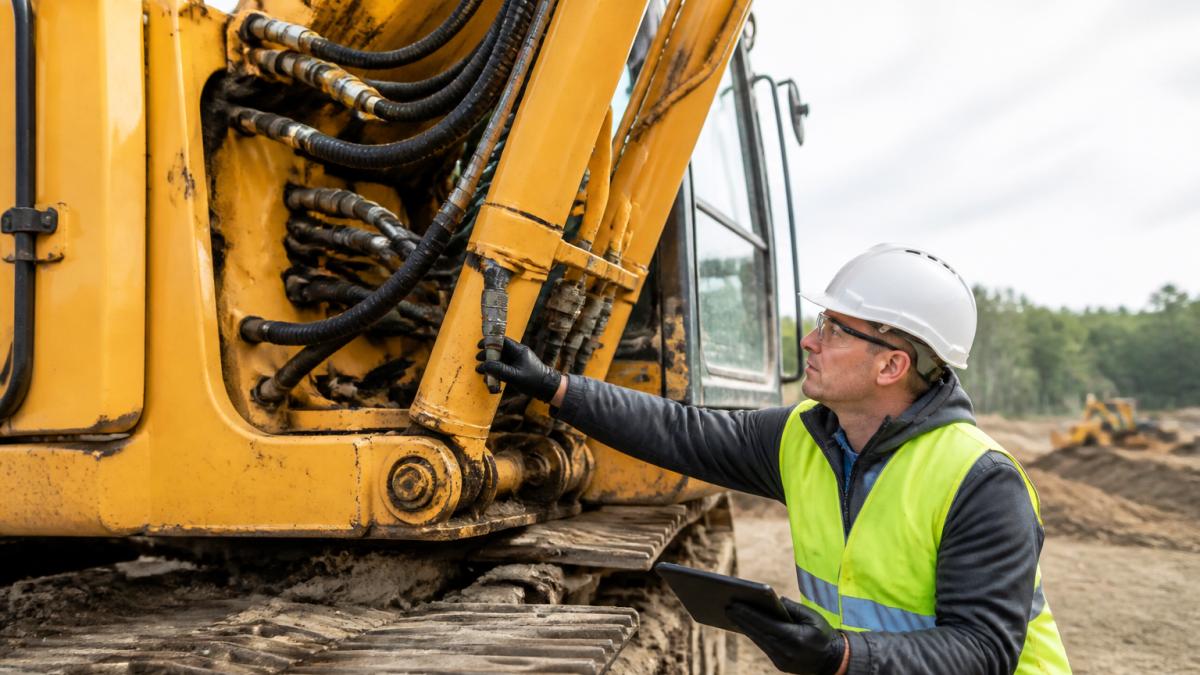
Many reputable dealers offer certified pre-purchase inspections. This costs money upfront but prevents expensive repairs later. For high-value equipment, inspection costs are minimal compared to repair risk.
Common problems to watch: worn cylinders, cracked frames, engine timing issues, and electrical failures. Ask sellers why they're selling.
Pricing Benchmarks and Valuation
Fair pricing requires market research. Used equipment values vary by age, condition, hours, and market demand. A 2020 excavator costs more than a 2015 model with similar hours. Regional demand affects pricing, equipment worth more in growing markets than declining ones.
Research comparable sales. Check auction results from Ritchie Bros. and similar platforms. Look at listings on MachineryTrader and eBay to see asking prices. Note that asking prices differ from actual sale prices, buyers negotiate down.
Request quotes from multiple dealers. This reveals market rates and helps you identify overpriced listings. Equipment priced significantly below market suggests hidden problems.
Financing affects your true cost. If you're financing equipment, factor interest into your budget. The interest you pay increases total cost.
How to Sell Used Construction Equipment Effectively
Selling used equipment requires strategy. The right approach attracts qualified buyers, justifies fair pricing, and closes deals faster.
Listing Strategy and Timing
Timing matters. Equipment sells faster in spring and early summer when contractors ramp up projects. Winter sales move slower. If possible, list when demand peaks.
Present equipment honestly. Include photos from multiple angles, showing condition clearly. Disclose maintenance history, hours, and any repairs. Transparency builds buyer confidence and reduces negotiation friction.
Price competitively. Overpriced equipment sits unsold. Underpriced equipment sells fast but leaves money on the table. Research comparable listings and recent sales to set realistic asking prices.
Highlight recent maintenance. New engines, rebuilt hydraulics, or recent service make equipment more attractive. These investments pay off in faster sales and higher prices.
Documentation and Transparency
Gather complete documentation before listing. Maintenance records, repair receipts, original manuals, and warranty information matter. Buyers want proof that equipment was maintained properly.
Be clear about condition. If equipment has cosmetic damage, say so. If the engine has high hours, disclose it. Surprises during inspection kill deals and damage your reputation.
Respond quickly to inquiries. Serious buyers move fast. Slow responses signal unreliability and lose sales to competitors.
Arrange inspections efficiently. Let qualified buyers inspect equipment. This builds confidence and justifies your asking price. Buyers who inspect equipment themselves commit more seriously than those relying on photos.
Used Equipment Financing Options
Buying used heavy equipment often requires financing. Multiple options exist, each with different terms and costs.
Financing Through Equipment Lenders
Equipment lenders specialize in machinery and construction equipment. They understand asset values and equipment-specific risks. Loans typically cover 70-90% of equipment cost, with terms from 24 to 84 months.
Equipment lenders move fast. Many provide approvals in hours and funding same-day. This speed matters when you need equipment to start projects. Equipment Finance Academy connects you with top equipment lenders, simplifying the application and approval process.
Loan terms depend on equipment age, condition, and your creditworthiness. Newer equipment qualifies for better rates. Well-maintained equipment attracts lower rates than high-hour machines.
Interest rates vary. Stronger credit profiles qualify for lower rates. Equipment condition and age affect rates significantly. A 2023 excavator in excellent condition qualifies for better terms than a 2015 model with high hours.
Leasing as an Alternative
Leasing offers flexibility without ownership. You use equipment for a set period, then return it. Monthly payments are lower than loan payments, and maintenance is often included.
Leasing works best for equipment you need temporarily or want to upgrade frequently. Construction companies taking on short-term projects often lease rather than buy. Seasonal businesses benefit from leasing, rent equipment when you need it, return it when demand drops.
The downside: you never own the equipment. Long-term, leasing costs more than buying. But for flexibility and lower monthly payments, leasing appeals to many operators.
Fraud Prevention and Secure Transactions
Heavy equipment transactions attract fraud. Fake listings, stolen equipment, and payment scams cost buyers and sellers thousands.
Verify seller legitimacy. Check ratings and reviews on platforms where they sell. Contact references if provided. Ask for business licenses and insurance documentation.
Use secure payment methods. Wire transfers and cash can't be reversed. Escrow services hold payment until you verify equipment condition.
Meet in person for inspections. Video calls and photos aren't enough. See equipment yourself, test it, and verify serial numbers match documentation.
Request equipment history reports. Check if equipment has liens or outstanding loans. Buying equipment with debt attached creates legal problems.
Equipment Transport and Logistics
Transporting heavy equipment requires planning. Most equipment can't drive itself to buyers. Transport costs are significant and affect your total deal cost.
Determine who pays for transport. Sellers often cover transport to increase buyer appeal. Buyers sometimes negotiate transport costs into the price.
Get transport quotes early. Heavy equipment transport costs vary by distance, equipment weight, and accessibility.
Use licensed transport companies. Heavy equipment requires specialized equipment and insurance. Reputable carriers provide insurance coverage and handle equipment safely.
Coordinate timing. Equipment must be picked up when you're ready and delivered when you can receive it.
Buying and selling heavy equipment successfully requires understanding your options, vetting sellers or buyers carefully, and structuring deals that protect both parties.
Frequently Asked Questions
Where can I buy and sell heavy equipment online?
Heavy equipment can be bought and sold through online marketplaces like eBay Heavy Equipment and MachineryTrader, equipment dealer networks, auction sites such as Ritchie Bros., and peer-to-peer platforms. Each channel serves different buyer and seller needs. Marketplaces offer broad inventory and reach, dealers provide expertise and financing support, auctions deliver competitive pricing through bidding, and peer-to-peer sales often move inventory faster for sellers willing to negotiate directly.
How do I verify that a heavy equipment marketplace seller is legitimate?
Check seller ratings and reviews on the platform, request detailed photos and equipment history from multiple angles, ask for maintenance records and service documentation, and use video calls or in-person inspections before committing. Legitimate sellers provide transparent information, respond promptly to questions, and allow time for inspection. Avoid sellers who pressure quick decisions, refuse inspections, or request payment methods outside the platform's protected payment system.
What financing options are available for used heavy equipment?
Used equipment financing comes through equipment lenders offering loans. Equipment leasing is another option for businesses wanting to avoid ownership costs. Both routes require proof of business creditworthiness and may involve equipment appraisals. Compare rates and terms across lenders, as approval timelines and funding speed vary significantly.
How do I determine fair pricing for used heavy equipment?
Research recent auction results from platforms like Ritchie Bros., compare asking prices across multiple marketplaces for similar models and condition, and factor in equipment age, hours of operation, maintenance history, and regional demand. Equipment condition significantly impacts value, well-maintained machines command higher prices. Get quotes from equipment brokers or dealers to validate your estimate, and be prepared to negotiate based on inspection findings.
Is it faster to sell heavy equipment privately or through a dealer?
Private sales often move faster because buyers and sellers can negotiate directly without broker markup, but require more effort in marketing, screening inquiries, and handling logistics. Dealers and brokers handle marketing and buyer qualification, reducing your workload but typically taking a commission. Peer-to-peer marketplaces balance speed and effort by providing platforms with built-in buyer traffic while keeping you in control of the sale process.