 how-to
Selling Heavy Equipment Online for Dummies
Table of Contents
- What You'll Need Before Listing Your Equipment
- Understanding Used Construction Equipment Valuation
- Preparing Your Equipment for Online Sale
- Creating Listings on Heavy Equipment Auctions Platforms
- Equipment Bill of Sale Requirements and Legal Documentation
- Handling Payment and Financing for Buyers
- Common Mistakes to Avoid When Selling Online
- Frequently Asked Questions
Last Updated: October 3, 2026
What You'll Need Before Listing Your Equipment
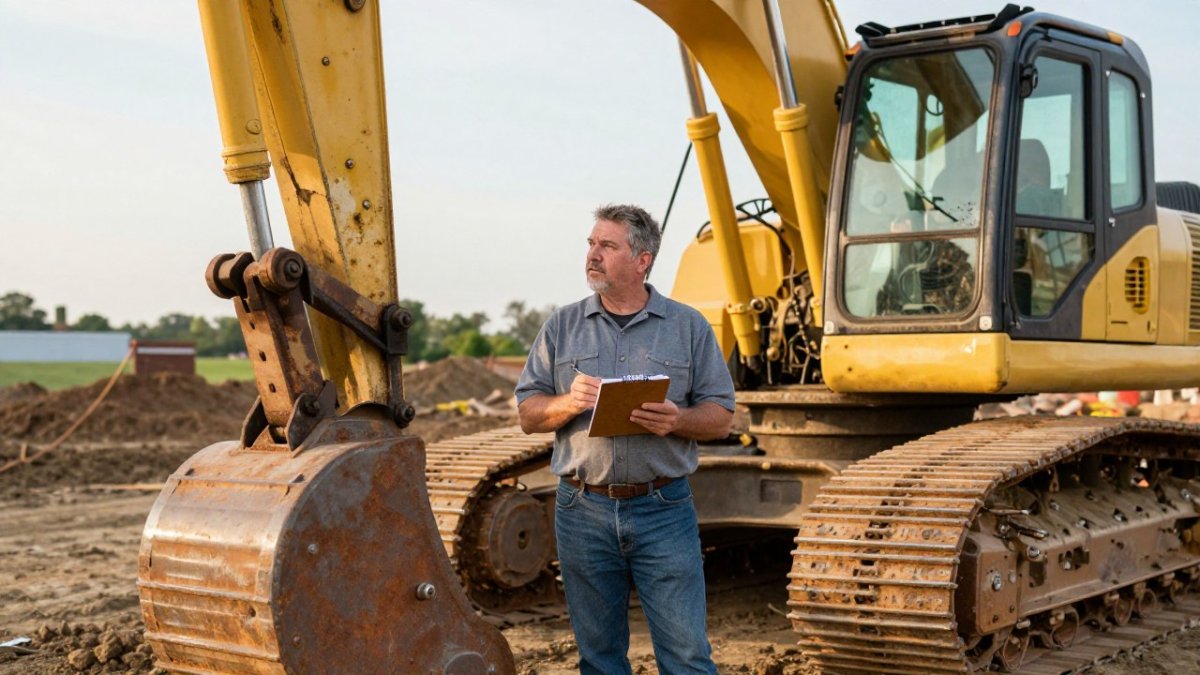
Selling heavy equipment online requires preparation: gather documentation, take clear photos, and research fair pricing before listing.
Gather original purchase receipts, maintenance records, and warranty information. Take clear photos from multiple angles in natural light, including close-ups of damage and the serial number plate. Document specifications: model number, year, horsepower, and attachments. Research comparable equipment on heavy equipment auctions platforms to set competitive pricing.
Understanding Used Construction Equipment Valuation
Equipment value depends on age, hours of operation, condition, brand, and location. Older equipment with high hours and visible damage commands lower prices. Equipment in excellent condition with full service records and popular brands hold value better. High-demand construction markets attract faster sales at higher prices.
Preparing Your Equipment for Online Sale
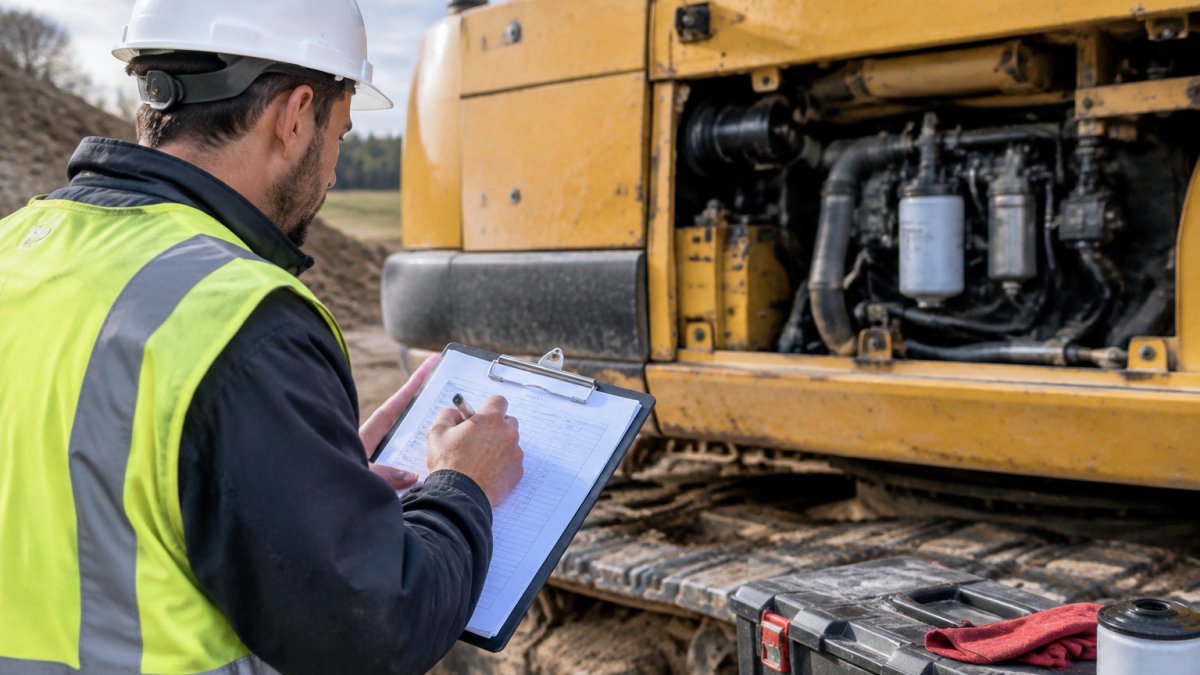
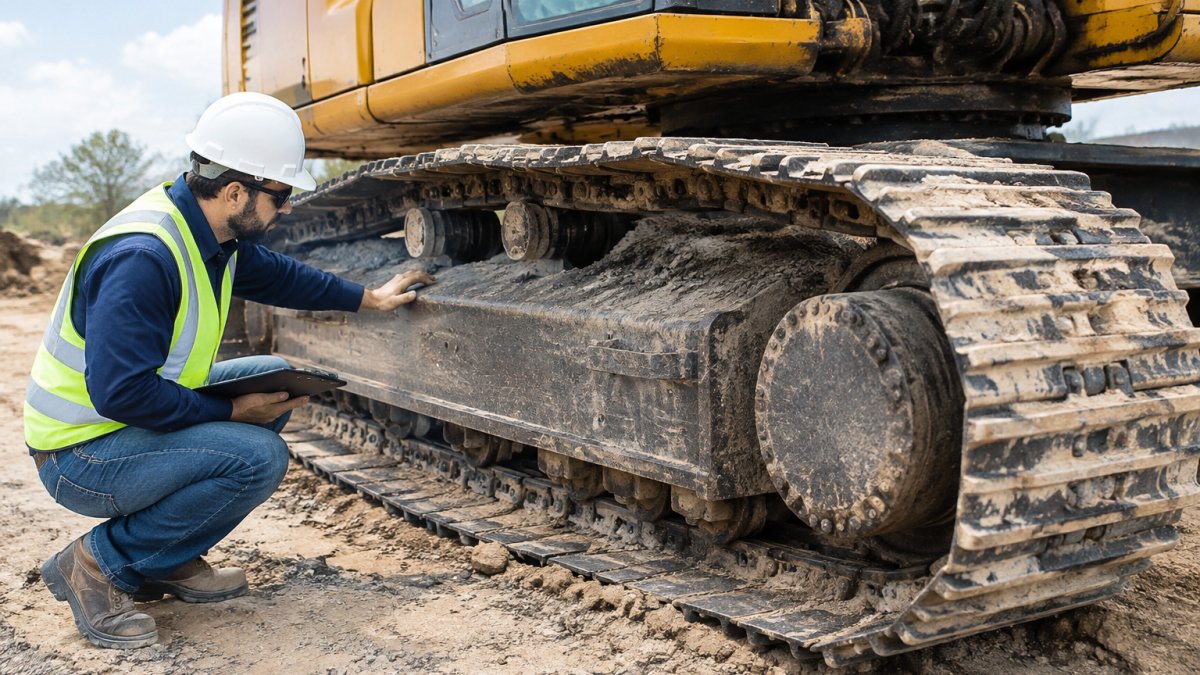
Clean the equipment thoroughly with pressure washing. Check and top off all fluid levels, fix leaks, and replace dirty filters. Test all functions, engine, hydraulics, lights, and safety features, and document any issues.
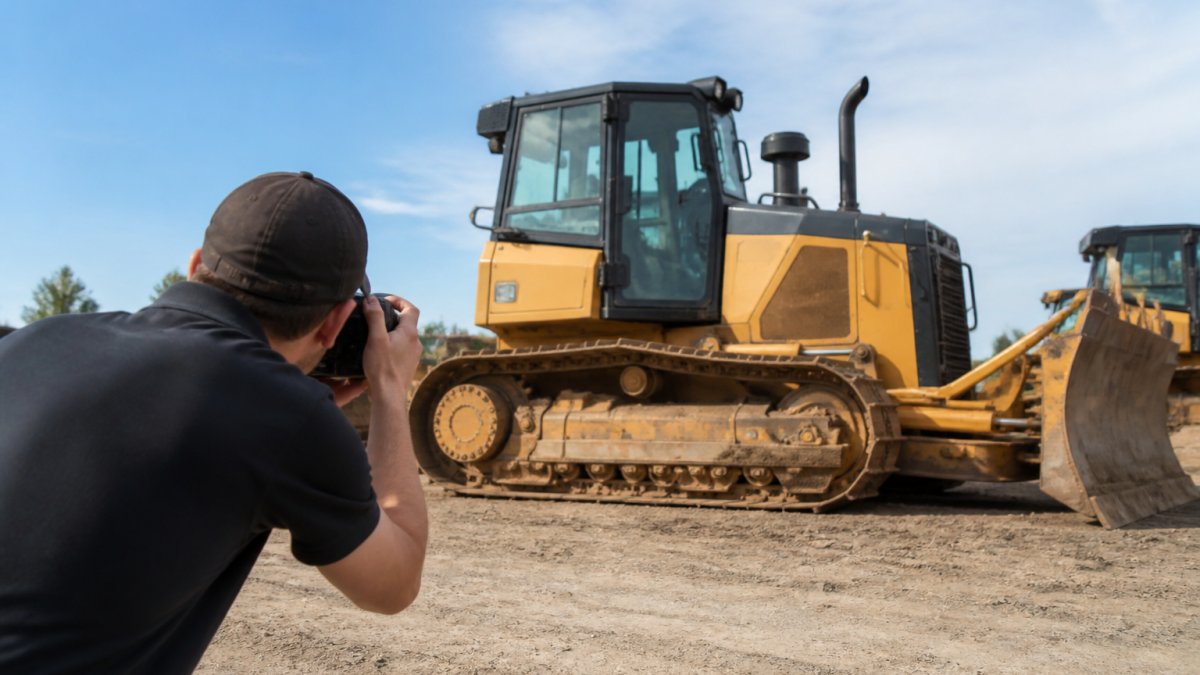
Photograph in soft morning or afternoon light, avoiding harsh shadows. Include operator station, controls, wear areas, and front/side/rear views. Write detailed descriptions listing all features, attachments, recent repairs, and honest condition assessment.
Creating Listings on Heavy Equipment Auctions Platforms
Create a specific title: "2019 Caterpillar 320 Excavator, 4,500 Hours, Excellent Condition." Include specifications, maintenance history, and honest condition in your description. Upload photos in order, leading with your best shot. Set a starting price with or without a reserve. Choose a 5-7 day auction length. Provide phone and email, responding quickly to buyer questions.
Equipment Bill of Sale Requirements and Legal Documentation
An equipment bill of sale is essential when selling heavy equipment online, but you must first address liens and title status to avoid derailing the sale.
Understanding Liens and Title Clearance
A mechanic's lien is a legal claim against equipment for unpaid work or parts. Active liens prevent free and clear sales; buyers and lenders will refuse encumbered equipment.
Verify lien-free status by: requesting a UCC search from your state's Secretary of State ($10-$25, 1-3 business days); contacting your equipment lender to confirm lien release; and checking with local contractors or suppliers for any filed liens.
If a lien exists, you have two options: pay off the debt to release the lien, or use a "bonding off" process. Bonding off involves posting a surety bond that guarantees payment of the lien claim. This allows you to sell the equipment while the lien dispute is resolved separately. Bonding costs 1-3% of the lien amount and is available through surety bond companies.
The Bill of Sale Document
Your bill of sale should include the equipment description. Write the exact make, model, and year. Add the serial number and engine number. Include the hour meter reading.
State the sale price clearly. Write out the dollar amount in both numbers and words. List any terms, such as payment method and delivery arrangements.
Include the buyer's name and contact information. Add your name and contact information. Both parties should sign and date the document.
Note the equipment's condition and lien status explicitly. Write whether it's sold as-is or with any warranties. Describe any known defects or issues. Most importantly, state that the equipment is being sold free and clear of all liens and encumbrances, or disclose any liens that remain (though this will severely limit buyer interest).
State-Specific Requirements
Many states require specific language or notarization for heavy equipment sales. Requirements vary significantly:
- Some states (e.g., California, Texas) require the bill of sale to include a statement that the seller warrants clear title.
- Other states require notarization only if the sale involves a lien release or title transfer.
- A few states have no specific bill of sale statute; the document is governed by general contract law.
Check your state's Secretary of State website or consult a local attorney for exact requirements. The cost of getting this wrong, a disputed title or a buyer's lender refusing to finance, far exceeds the cost of doing it right.
Protecting Yourself with Proper Documentation
Keep copies of the bill of sale, the UCC search results, and any lien release documents for your records. Give the original bill of sale to the buyer. This creates a clear paper trail that protects both parties and provides evidence that you sold the equipment free of liens.
If the buyer later claims the equipment had a lien you didn't disclose, your documentation proves you acted in good faith. Conversely, if you fail to disclose a known lien, you may face liability for conversion (wrongfully selling property that belongs to the lienholder) or breach of warranty.
Handling Payment and Financing for Buyers
Payment methods affect your sale speed, but equally important is understanding how buyers verify title and secure financing, and what can go wrong if you don't facilitate this process.
Payment Methods and Security
Cash is safest but rare for expensive equipment. Most buyers need financing.
Wire transfers offer security. The buyer's bank transfers funds directly to your account. Verify the transfer completed before releasing equipment. Ask your bank to confirm the wire has cleared; do not rely on a notification email alone.
Cashier's checks work for smaller amounts. The buyer obtains a check from their bank. You can deposit it immediately, but wait for the check to clear (typically 3-5 business days) before releasing equipment.
Equipment financing helps buyers purchase. Many buyers lack cash but have good credit. They arrange financing through lenders or equipment finance companies. Your role is to accept payment once financing closes. The lender will typically require a clear title and a lien release before funding the loan.
Some buyers use equipment leasing. They lease rather than buy. Leasing companies handle financing and often require the same title verification and lien documentation.
Never release equipment before payment clears. Wait for bank confirmation. For wire transfers, wait 24 hours. For checks, wait for deposit and clearance.
What Buyers Will Ask For (And Why)
Buyers, especially those using financing, will request documentation you may not expect:
- A UCC search showing no liens. Lenders require this before approving a loan. If you have not already obtained a UCC search, the buyer's lender will order one at your expense or will refuse to finance the purchase.
- Proof of lien release. If you paid off a previous loan, the buyer will want a signed lien release from the lender. This document proves the lien has been removed from the title.
- Maintenance and repair records. Buyers and their lenders want evidence that the equipment has been maintained. Missing records can lower the purchase price or kill the deal.
- Original purchase documentation or title certificate. Some states issue title certificates for heavy equipment. If your state does, the buyer will expect you to provide the original or a certified copy.
- Proof of ownership. If the equipment was purchased as part of a business acquisition or estate, the buyer may ask for documentation showing you have the right to sell it.
Providing these documents quickly accelerates the sale and builds buyer confidence. Delays or missing documents signal that you may not have clear title, which will scare off serious buyers.
Financing and Title Implications
If you are still financing the equipment (i.e., you have an outstanding loan), the lender holds a lien. You cannot legally sell the equipment until the loan is paid off and the lien is released. Attempting to sell encumbered equipment can expose you to liability for conversion, the wrongful sale of property that belongs to the lienholder.
When a buyer arranges financing:
- The buyer's lender will order a UCC search and will discover any liens against the equipment.
- If a lien exists, the lender will not fund the loan until the lien is released.
- You will need to pay off your loan using proceeds from the sale, and the lender will issue a lien release.
- The lien release must be filed with the Secretary of State to clear the title.
This process typically takes 3-7 business days after the sale price is agreed upon. Plan for this delay and communicate it to the buyer upfront.
Consider an Inspection Period
Offer buyers a brief inspection period (24-48 hours) before final payment. This allows them to verify the equipment's condition and gives their lender time to complete the UCC search and lien verification. An inspection period builds confidence and reduces the risk of a deal falling through after payment has been made.
Common Mistakes to Avoid When Selling Online
Overpricing kills sales faster than anything else. Price competitively based on market research. Slightly underpricing attracts multiple offers quickly.
Poor photos lose buyers immediately. Invest time in good photography. Clear, well-lit photos from multiple angles sell equipment.
Vague descriptions create problems. Be specific about condition, hours, and features. Buyers hate surprises when equipment arrives.
Ignoring buyer questions costs sales. Respond quickly and thoroughly. Answer every question honestly. Slow responses make buyers shop elsewhere.
Hiding damage or defects invites legal trouble. Disclose everything. Honest sellers build reputations that lead to repeat business.
Failing to verify payment before delivery is risky. Confirm funds arrived before releasing equipment. This protects you from fraud.
Listing on only one platform limits exposure. Use multiple heavy equipment auctions sites. More listings mean more potential buyers.
Not including maintenance records reduces value. Buyers pay more for documented service history. Gather and present these records prominently.
Selling heavy equipment online doesn't require special expertise. Clear photos, honest descriptions, and proper documentation make the process straightforward. Start with the basics: gather your documents, take good photos, research fair pricing, and create detailed listings. When buyers contact you, respond quickly and answer their questions completely. Use a proper bill of sale and verify payment before releasing equipment. Most importantly, be transparent about condition and history. Equipment Finance Academy helps buyers secure financing quickly, making your sale faster and easier.
Frequently Asked Questions
How do I accurately price used heavy equipment for an online sale?
Start by researching comparable equipment on active heavy equipment auctions platforms and recent sales. Check the age, hours of operation, condition, and maintenance history. Factor in regional demand, equipment sells faster in areas with active construction. Use professional valuation tools if available, and consider hiring an independent appraiser for high-value items. Price competitively but not so low that you leave money on the table. Adjust your asking price based on initial interest levels.
How can equipment financing for buyers speed up my sale?
When buyers can secure financing quickly, they're more likely to commit to a purchase. Offering information about equipment financing options or partnering with lenders removes a major barrier to closing.
What's the best way to handle payment for a high-value equipment sale?
For significant transactions, use secure payment methods like bank wire transfers, cashier's checks, or escrow services rather than personal checks. Verify funds before releasing the equipment. Never release the equipment until payment clears completely. Document all payment terms in writing and keep records of the transaction for tax and legal purposes.