 ultimate-guide
Tips for Buying Used Dozers Online: A 2026 Guide
Table of Contents
- Why Buying Used Dozers Online Requires a Different Approach
- Evaluating Undercarriage Wear on Dozers: The Foundation Check
- Engine, Transmission, and Hydraulic System Verification
- Heavy Equipment Inspection Checklist: What to Document
- Verifying Maintenance History and Service Records Online
- Used Dozer Financing Options and Payment Structures
- Red Flags and How to Avoid Scams When Buying Online
- Private Sellers vs. Dealer Inventory: What to Expect
- Frequently Asked Questions
Last Updated: September 18, 2026
Why Buying Used Dozers Online Requires a Different Approach
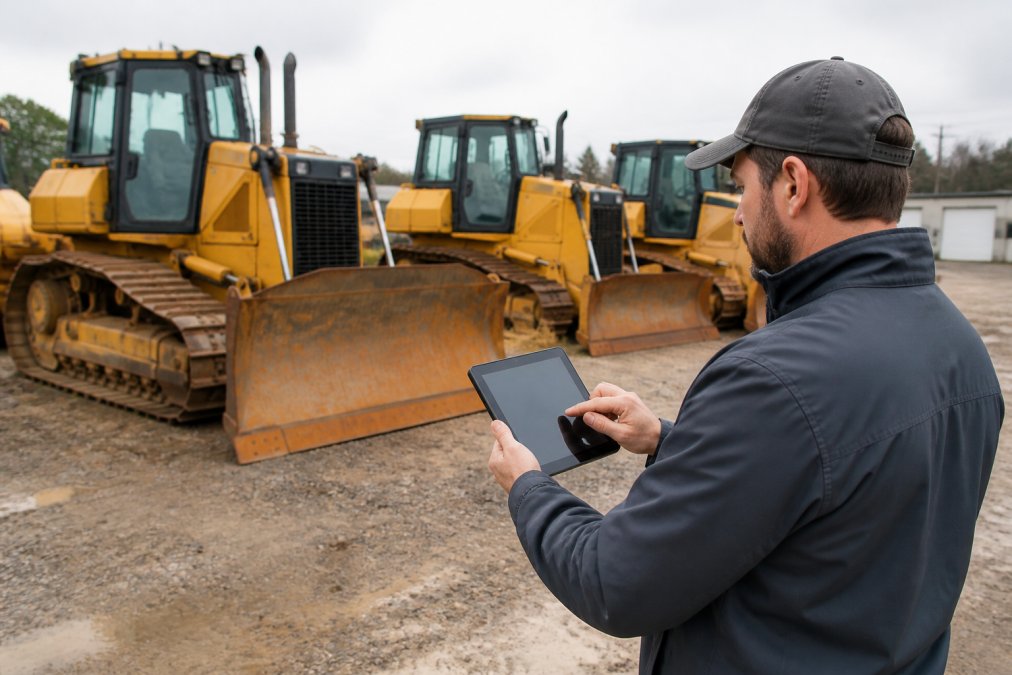
Buying used dozers online demands a different verification strategy than traditional dealership visits. Remote transactions eliminate in-person inspection, so you must document everything digitally to verify condition and authenticity.
The biggest mistake is skipping critical verification steps because you can't physically inspect the equipment. This exposes you to undercarriage damage, hidden maintenance issues, and stolen equipment.
Buying used dozers online requires video walkarounds, detailed service records, serial number verification, and often third-party inspection before committing funds. Equipment Finance Academy provides financing approved in hours.
Evaluating Undercarriage Wear on Dozers: The Foundation Check
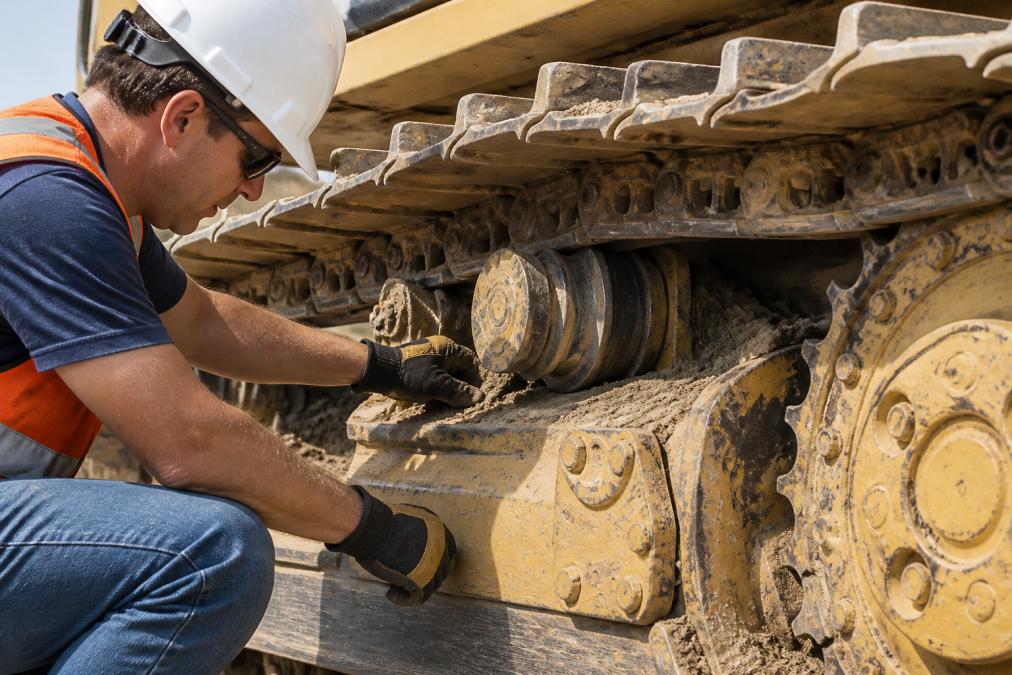
The undercarriage determines a dozer's remaining service life more than any other component. Track wear, pin and bushing condition, and sprocket integrity account for 40-60% of a machine's total value depreciation. If the undercarriage is compromised, repair costs can exceed the entire purchase price.
Inspecting Pins, Bushings, and Track Tension
Pins and bushings connect track links and allow articulation. When worn, the track develops slack and misalignment. Request photos or video showing the gap between track links when stationary, a gap larger than half an inch signals excessive wear.
Ask for video of the dozer moving forward and backward to check track tension under load. Watch for track slipping on the sprocket or sagging between rollers, either means immediate replacement at significant cost.
Inspect for bronze or brass material visible inside pin holes, indicating bushing deterioration. If there's no record of recent replacement, budget for it as post-purchase maintenance.
Assessing Sprockets, Rollers, and Idlers
Worn sprockets have rounded or beveled teeth instead of sharp ones. Request close-up photos from multiple angles, visible wear means imminent, expensive replacement.
Look for flat spots on roller surfaces indicating bearing wear. Idlers should spin freely when the track is manually rotated; stiffness or noise signals replacement needed.
If multiple rollers or idlers show wear, the entire undercarriage has been stressed and other components may fail soon after purchase.
Engine, Transmission, and Hydraulic System Verification
Engine hours and transmission condition determine remaining productive work. A machine with 8,000 hours and proper maintenance can deliver 4,000-6,000 more hours; one with no service records may have only 500 hours left.
Engine Hours and Blow-By Indicators
Request the hour meter reading and cross-reference with service records. Verify through the manufacturer's service database to detect rolled-back meters.
Ask for video of the dozer running at idle and under load. Excessive exhaust smoke or oil mist from the breather hose signals worn rings or valve seals; thick smoke means overhaul is imminent.
Request an oil analysis report if available, labs can measure wear metals and predict remaining engine life. If the seller won't provide one, ask them to run it before you commit.
Transmission Performance and Hydraulic Leaks
Watch video of the dozer shifting gears under load. Smooth, immediate shifts are normal; hesitation, grinding, or delayed response indicates wear or fluid issues.
Inspect the entire undercarriage, boom, and hydraulic lines for oil stains or fresh leaks. Small weeps are acceptable; active dripping means seal replacement. Request video showing cylinders moving smoothly and holding position when shut down.
Heavy Equipment Inspection Checklist: What to Document
Creating a detailed inspection checklist ensures you capture all critical information before committing funds. This checklist becomes your defense if disputes arise after purchase.
Serial Number Verification and Stolen Equipment Checks
Request a photo of the serial plate (typically on the frame or engine block) and cross-reference with the manufacturer's database to confirm model, build year, and specifications.
Run a stolen equipment check through the National Equipment Register or manufacturer's database, this takes minutes and eliminates catastrophic risk.
Verify that the seller's name matches the title or bill of sale. If there's a gap in ownership history, ask for documentation explaining the transfer. Legitimate private sellers can usually provide this; dealers should have clear title.
Blade Condition, Ripper Assembly, and Frame Integrity
Inspect the blade for cracks, bending, or excessive wear. A blade worn to half its original thickness is near end of life. Request photos of the blade edge and mounting points.
Inspect the ripper frame for cracks or bending and verify the cylinder extends and retracts fully. Cracked welds or bent frames indicate heavy abuse and potential overstress to other components.
The frame must be straight and free of cracks. Inspect welds for cracks or repairs, which suggest accident involvement or extreme stress. Request photos from multiple angles.
Verifying Maintenance History and Service Records Online
A complete maintenance log is the single best indicator of remaining useful life. Machines with meticulous records typically outlast those with spotty documentation by thousands of hours.
Request records for hydraulic fluid changes, transmission servicing, engine overhauls, undercarriage work, and blade replacements. Incomplete records from older machines may reflect poor historical record-keeping; deliberate gaps are a red flag.
Cross-reference service dates with engine hours. A machine that shows 6,000 hours but hasn't had a hydraulic fluid change in 3,000 hours suggests neglect. Regular intervals matter more than the absolute hour count.
Used Dozer Financing Options and Payment Structures
Before committing to a purchase price, establish fair market value. Overpaying is the costliest mistake in used dozer purchases.
Establishing Fair Market Value Using Auction Data and Comparables
Public auction results are your most reliable pricing benchmark. Machinery Values and the National Association of Equipment Distributors (NAED) track actual sales prices by model, year, and hours.
Gather at least three comparable sales from the past 90 days with the same model, similar hours (within 1,000), and comparable condition. Auction results typically run 10-20% below private asking prices.
Ask the seller to justify their asking price. Legitimate sellers can explain premiums (recent service, low hours, fleet history) or discounts (cosmetic damage, age, hours). If they can't articulate a reason, the price may be inflated.
Cross-check online valuation tools against recent auction results and private listings in your region, as regional variation is significant.
Document your valuation research. Show the seller comparable sales supporting your counteroffer to transform negotiation into data-driven discussion.
Understanding Financing Terms and Lender Requirements
Equipment financing typically requires inspection reports, service records, and proof you're not overpaying. Most lenders finance 70-85% of appraised value, requiring 15-30% down.
Equipment Finance Academy provides Quick Equipment Financing, with approvals within hours and same-day funding.
Red Flags and How to Avoid Scams When Buying Online
Certain warning signs indicate you should walk away from a deal immediately. However, avoiding scams requires more than recognizing red flags, you need a verification protocol that works when you cannot inspect the machine in person.
Recognizing Deception and Pressure Tactics
A seller refusing video walkarounds, service records, or serial number verification is hiding something. Demand video from multiple angles showing undercarriage, engine compartment, hydraulic lines, and the machine running under load. If they claim no video capability, schedule a real-time video call using their phone camera.
Using Third-Party Inspection Services and Remote Verification
For machines more than 200 miles away, hire a third-party inspection service ($300-$800) to document undercarriage condition, run compression tests, check hydraulic pressure, and verify serial numbers. This investment is small compared to purchasing a defective machine.
Title Verification and Escrow Protection
Verify that the seller's name matches the title or bill of sale. If there's a gap in ownership history, ask for documentation explaining the transfer. Legitimate private sellers can usually provide this; dealers should have clear title. Run a stolen equipment check through the National Equipment Register or the manufacturer's database. Stolen equipment cannot be legally registered or insured, and you'll face legal liability if you purchase a stolen machine.
Private Sellers vs. Dealer Inventory: What to Expect
Private sellers often price machines lower than dealers because they don't have overhead costs. However, private sellers typically provide less documentation and fewer guarantees. You're buying as-is, and your recourse if something fails is limited.
| Inspection Category | What to Check | Why It Matters |
|---|---|---|
| Undercarriage | Track tension, pins, bushings, sprockets | Determines 40-60% of machine value |
| Engine | Hours, blow-by, oil analysis | Predicts remaining service life |
| Transmission | Shift smoothness, response under load | Indicates wear and repair costs |
| Hydraulics | Leak detection, cylinder performance | Affects operational reliability |
| Documentation | Service records, serial number, title | Proves authenticity and maintenance |
| Frame | Cracks, welds, structural integrity | Safety and resale value |
Frequently Asked Questions
What are the most critical things to check when buying used dozers online?
Focus on undercarriage condition (pins, bushings, track tension, sprockets, rollers, and idlers), engine hours and blow-by indicators, hydraulic leaks, transmission performance, and maintenance records. Verify the serial number against stolen equipment databases, inspect blade and ripper condition, and assess frame integrity. Document everything with photos and request a pre-purchase inspection report if buying remotely.
How do I verify the maintenance history of a used dozer before buying?
Request the complete maintenance log and service records from the seller. Look for regular oil analysis reports, filter changes, hydraulic fluid servicing, and track maintenance notes. Cross-reference engine hours listed in records with the actual hour meter reading. Ask for documentation of any major repairs, welding work, or component replacements. Digital inspection tools and remote verification services can help confirm records authenticity when buying online.
What financing options are available for used heavy equipment purchases?
Equipment financing typically includes loans, leases, and lease-to-own arrangements. Lenders evaluate equipment age, hours, condition, and market value. Approval timelines vary, but many lenders offer same-day funding. Compare terms across multiple lenders before committing. Insurance is often required and should be factored into your total cost. Work with lenders experienced in heavy equipment to ensure you get competitive rates and flexible terms.
How do I avoid scams and verify a seller is legitimate when buying online?
Verify the seller's business registration and history. Avoid sellers who pressure you to wire payment upfront or refuse video calls. Request multiple photos and videos from different angles, including serial number plates and hour meter. Use licensed inspection services for remote verification. Check the equipment's serial number against NHTSA and state records for theft or salvage status. Never complete payment until you've personally inspected the unit or had a trusted third party verify condition.