 how-to
7 Used Crane Insurance Coverage Requirements to Meet
Last Updated: October 29, 2026
Quick Summary
Used crane insurance is a package of liability, commercial auto, and physical damage coverage built around a specific machine's age, condition, and use. Carriers may insure on actual cash value rather than replacement cost, and some cap how old a crane can be before declining coverage. Confirm the valuation method, deductible, and coinsurance clause in writing before you bind.
- Carriers may insure a used crane on actual cash value, replacement cost, or agreed value.
- Agreed value fixes a dollar amount at policy inception and pays it on a total loss.
- A standalone appraisal is commonly required for cranes roughly 10 to 15 years old.
- A certificate of insurance should show general liability, commercial auto, physical damage, and workers' compensation.
- Get the quote before you commit, since underwriting a used crane can take days to weeks.
Table of Contents
- Why a Used Crane Changes Your Insurance Picture
- The Core Coverages Every Used Crane Policy Needs
- Mobile Crane Insurance Requirements for Road and Site Work
- Crane Physical Damage Insurance and How Insurers Value a Used Machine
- Crane Insurance Certificate Requirements for Rental and General Contractors
- What Drives Used Crane Insurance Cost and How to Lower It
- A Used-Crane Insurance Checklist to Run Before You Buy
- 1. Verify the machine's identity and ownership history
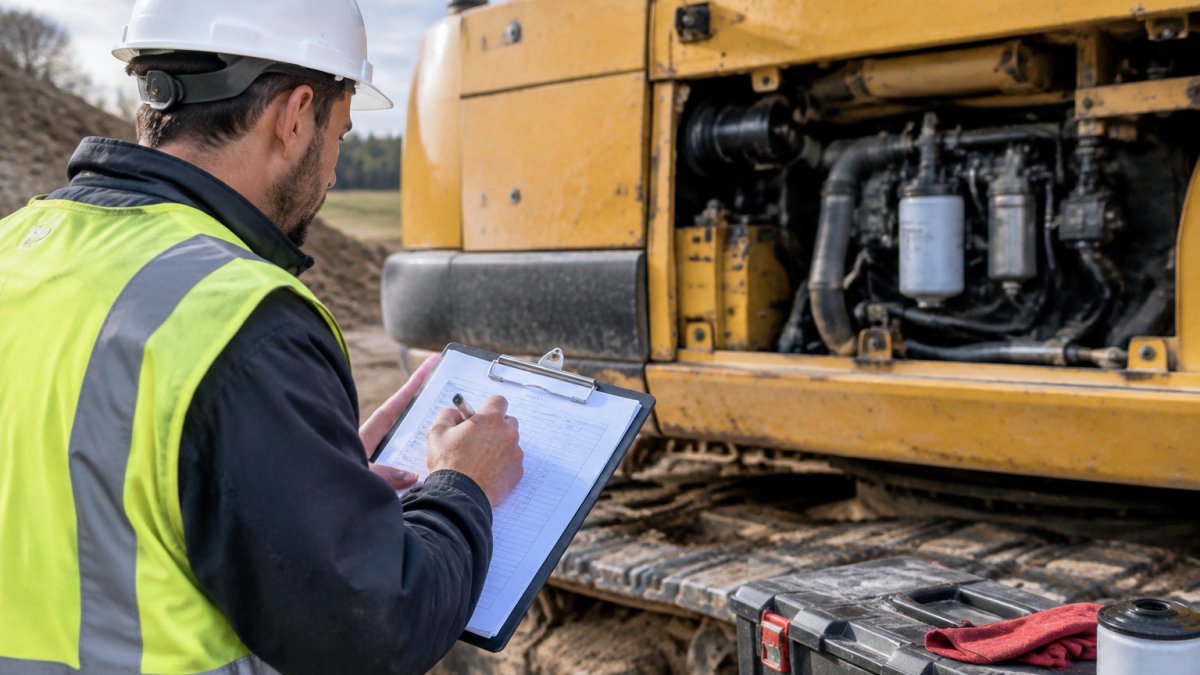
- 2. Assemble the maintenance and inspection file
- 3. Get a pre-insurance condition inspection
- 4. Confirm the crane's age against carrier appetite
- 5. Check road-use and permit requirements for your state
- 6. Line up operator credentials before you quote
- 7. Get quotes and confirm valuation in writing before you buy
- Finance the Crane and the Coverage Together
- Frequently Asked Questions
Why a Used Crane Changes Your Insurance Picture
An insurer does not value a used crane the way a dealer does. A dealer sees a working machine with a price tag.
Used crane insurance is a package of liability, auto, and physical damage coverage built around a specific machine's age, condition, and use. It protects you against third-party injury, road-use exposure, and damage to the crane itself.
Three things change when the crane is pre-owned:
- Valuation shifts. Carriers may insure on actual cash value, not replacement cost.
- Condition matters more. Inspection records and maintenance logs move the needle.
- Age limits appear. Some carriers cap how old a crane can be before they decline coverage.
The Core Coverages Every Used Crane Policy Needs
Most crane policies are built from a few core pieces. Skip one and you leave a gap that shows up exactly when you need it. The Insurance Information Institute's guide to commercial insurance is a useful starting point for how these pieces fit together.
General Liability and Third-Party Injury
General liability covers bodily injury and property damage you cause to others. On a crane, this is the foundation: a dropped load, a swing that clips a structure, a worker injured on site.
For used cranes, carriers want the machine's service history before they write this coverage. A crane with documented inspections is easier to insure than one with a blank logbook.
Commercial Auto and Road-Use Exposure
A mobile crane that drives on public roads needs commercial auto insurance. It is separate from general liability and not optional, covering accidents in transit, damage to other vehicles, and injuries on the road.
The trap is assuming a general liability policy covers road travel. It does not. You need both, and they must coordinate.
Mobile Crane Insurance Requirements for Road and Site Work
Mobile crane insurance requirements depend on where the crane operates.
Expect these requirements for road and site work:
- Commercial auto coverage for any crane driven on public roads
- Oversize vehicle permits for cranes that exceed size or weight limits
- Licensed operators with the right certifications for the lift
Operator licensing is a common gap. A used crane is only as safe as the person running it, so document your operators' credentials before you apply.
Confirm your state's oversize permit rules before buying a crane, since they affect whether it can travel to the job site.
Crane Physical Damage Insurance and How Insurers Value a Used Machine
Crane physical damage insurance covers the crane itself: accidental damage, theft, vandalism, and often damage during transit or loading. For a used crane, the coverage is easy to describe and hard to get right, because the settlement you receive depends entirely on how the carrier values the machine before a loss ever happens. The Insurance Services Office publishes the standard commercial property forms many carriers build on, but the valuation endorsement attached to your policy is what actually controls the check.
The three valuation methods you will see on a used-crane policy
| Valuation Method | How the Payout Is Calculated | Typical Use on Used Cranes |
|---|---|---|
| Actual cash value (ACV) | Replacement cost minus depreciation for age, condition, and use | Older cranes, lower premiums, higher out-of-pocket gap after a total loss |
| Replacement cost | Cost to replace with like kind and quality, no depreciation deducted | Newer used cranes, higher premiums, requires documented condition |
| Agreed value | A dollar amount fixed at policy inception and paid on a total loss, no depreciation debate | High-value or rare used cranes, financed units, machines with scarce parts |
ACV is the default on most used equipment: the carrier starts with what a comparable crane would cost, then subtracts depreciation.
Agreed value is the method most used-crane buyers should ask about. You and the underwriter settle on a number up front, often supported by a third-party appraisal, and that number is what the policy pays on a total loss.
How purchase price, loan balance, and replacement cost interact
Three numbers matter on a financed used crane, and they rarely match:
- Purchase price, what you paid the seller.
- Loan balance, what you still owe the lender, which may exceed the crane's market value early in the loan.
- Replacement cost, what it would cost to buy a comparable crane today.
If the policy pays ACV and the crane is totaled in year two, the settlement can land below the loan balance, the gap that forces buyers into gap coverage or agreed value. Lenders typically require physical damage coverage naming them as loss payee, and many accept agreed value because it protects their collateral. Ask the lender what valuation method its covenant requires before you bind.
When an appraisal is required or smart
A standalone appraisal, often from an accredited equipment appraiser, is commonly required or recommended when:
- The crane is more than roughly 10 to 15 years old and the carrier will not accept a book value.
- The unit is a low-volume model, a specialty lattice-boom crane, or a machine with scarce parts.
- You are requesting agreed value above the carrier's initial quote.
Parts availability feeds directly into valuation. A crane whose OEM has discontinued a boom section or hydraulic component is harder and more expensive to repair, and carriers reflect that in valuation and premium. Our guide to essential spare parts for used cranes covers what to keep on hand.
What to confirm in writing before you bind
- The valuation method (ACV, replacement cost, or agreed value) and the exact endorsement form.
- The deductible, and whether it is a flat dollar amount or a percentage of the insured value.
- Whether transit and loading/unloading damage is covered under the physical damage policy, the commercial auto policy, or an inland marine form.
Get those five items in the policy documents, not in a verbal quote. On a used crane, the valuation clause is the single most important sentence in the policy.
Crane Insurance Certificate Requirements for Rental and General Contractors
Crane insurance certificate requirements are where paperwork decides whether you get on site. A certificate of insurance proves your coverage to the general contractor or property owner. Most job sites will not let a crane work without one.
A standard certificate should show:
- General liability limits and policy dates
- Commercial auto coverage for road travel
- Physical damage coverage on the crane
Rental-only operations face a different risk profile: your exposure includes the renter's operators and the machine's condition when it leaves your yard. Learn how rental inventory financing helps rental companies expand their fleet and the coverage certificates it requires.
What Drives Used Crane Insurance Cost and How to Lower It
Used crane insurance cost moves with a handful of factors you can actually control. Carriers weigh the machine, the operator, and the work.
The biggest cost drivers:
- Crane age and condition. Older machines with thin records cost more.
- Lift capacity and type. Bigger, more complex cranes carry more risk.
- Scope of operations. Road travel and high-risk lifts raise premiums.
Ways to reduce cost:
-
Keep detailed maintenance and inspection records
-
Use licensed, certified operators
-
Raise the deductible only if you can absorb it
-
Shop the policy before you buy the crane, not after
Lenders often require physical damage coverage on a financed crane, so review your loan terms before changing that coverage.
A Used-Crane Insurance Checklist to Run Before You Buy
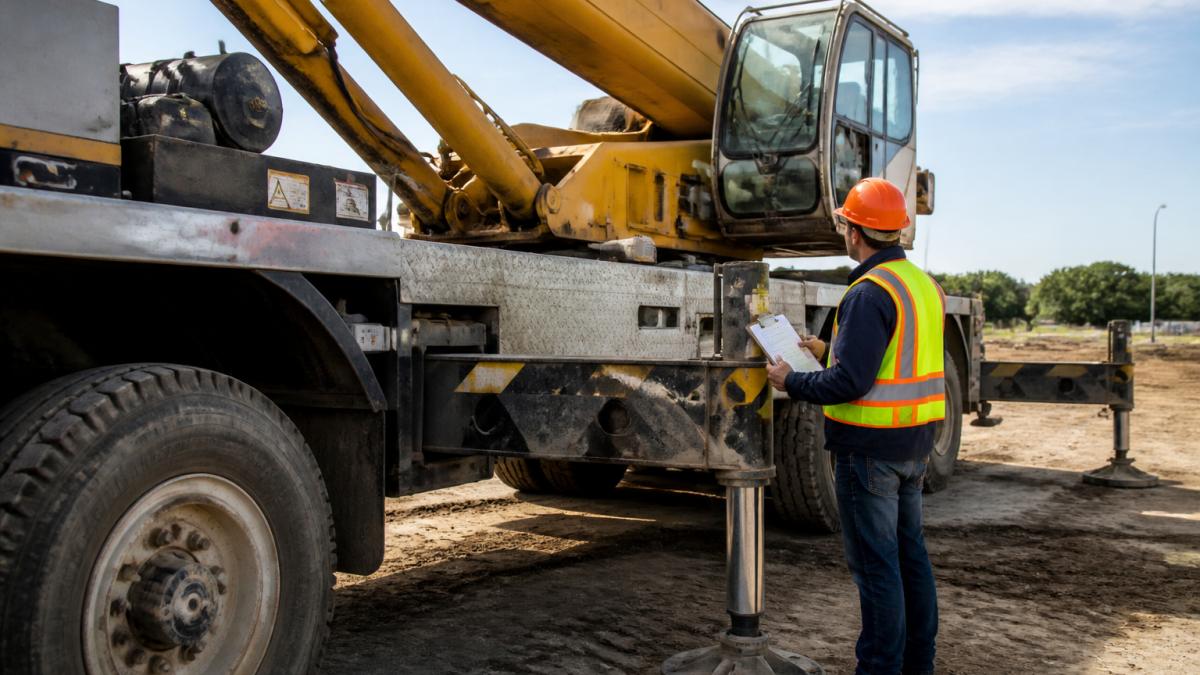
Most used-crane insurance problems are created before the policy is ever quoted. Underwriters decide whether to offer coverage, at what valuation, and at what premium based on the documents you hand them.
1. Verify the machine's identity and ownership history
- Serial number, photograph the plate on the carrier frame and the boom, and confirm they match the bill of sale.
- OEM build record, request the factory build sheet from the manufacturer using the serial number; it confirms original configuration and options.
- Title or MSO, for road-legal cranes, confirm a clean title with no liens other than the seller's.
2. Assemble the maintenance and inspection file
This is the single biggest lever on a used-crane quote. Carriers want to see the machine was maintained to the OEM schedule, not just that it runs.
- OEM-recommended maintenance records, engine, hydraulic, and lubrication service intervals with dates and hours.
- Annual crane inspections, records of periodic inspections required under applicable OSHA crane standards. Check the current federal rules for the specific inspection type and frequency.
- Wire rope and rigging inspection logs, replacement dates and certificates for wire rope, slings, and shackles.
A blank logbook does not automatically kill the deal, but it usually means a higher premium, an ACV-only valuation, or an inspection requirement before binding.
3. Get a pre-insurance condition inspection
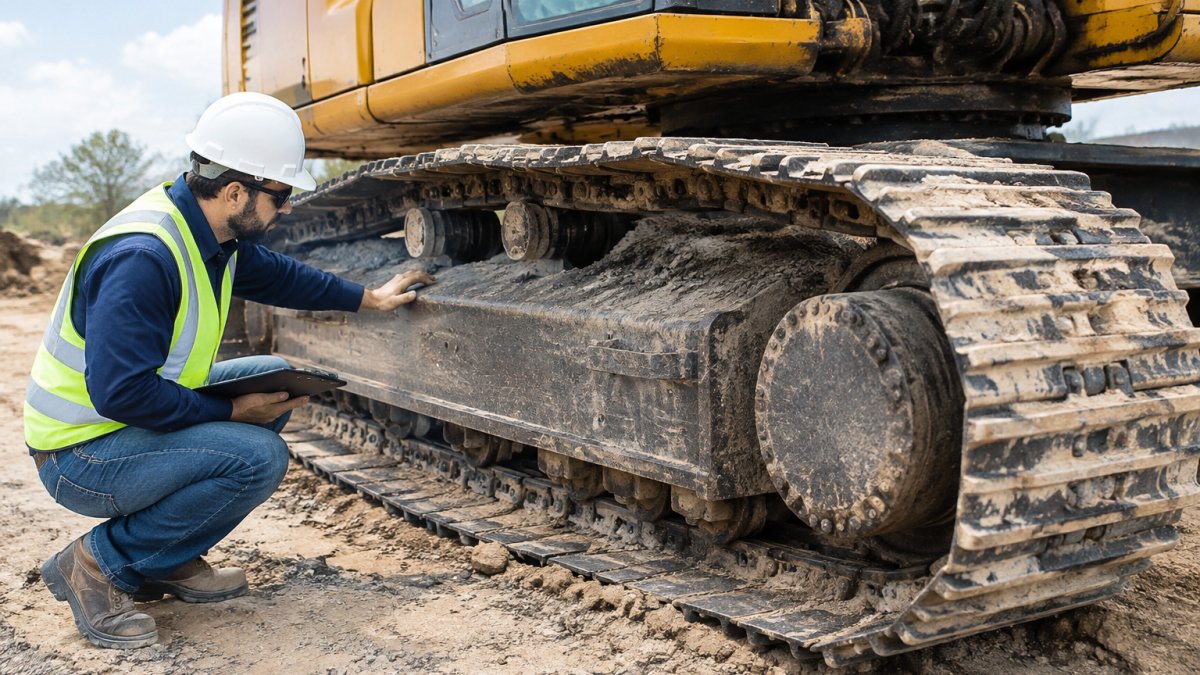
Many carriers require an independent condition inspection on used cranes above a certain age or value, and some send their own inspector. Even when not required, a third-party report strengthens your underwriting file and supports an agreed-value request. It should cover structural condition, boom and jib, outriggers, wire rope, hydraulics, safety devices, and the undercarriage.
4. Confirm the crane's age against carrier appetite
Carrier age limits on used cranes are real and vary widely, some decline cranes past a certain model year, others write them only on ACV, and others require an appraisal. Ask two or three carriers for their current age cutoff for the crane type and capacity you are considering before you commit.
5. Check road-use and permit requirements for your state
- Oversize/overweight permit rules, confirm the crane's travel configuration (boom removed, counterweight removed, etc.) against your state's permit thresholds.
- Commercial auto eligibility, confirm the carrier will write the crane as a covered auto and whether it requires a DOT number and motor carrier authority for interstate travel.
- State minimum liability limits, confirm the limits your state requires for the crane's weight class and your operating radius.
Buying before confirming permit and auto eligibility is the most common way buyers end up with a crane that cannot legally travel to the job site.
6. Line up operator credentials before you quote
- Operator certifications, confirm that each operator's certification matches the crane type and capacity, and check the current official requirements for your jurisdiction.
- Medical and drug-testing records, many carriers and general contractors require them.
Insurers price the operator as heavily as the machine. A documented, certified operator can move a used crane from a decline to a standard quote.
7. Get quotes and confirm valuation in writing before you buy
- Bindable quote, not a verbal range. Ask for the valuation method, deductible, and any coinsurance clause in the quote documents.
- Lender requirements, confirm the loss-payee wording and any minimum coverage the lender requires.
- General contractor requirements, confirm additional-insured and certificate wording before you mobilize.
A common mistake is treating insurance as a closing step. Underwriting a used crane can take days to weeks, and a gap between purchase and coverage is an uninsured exposure. Get the quote before you commit, and keep the inspection and maintenance file ready to upload.
For the transport side, our guide to transporting used cranes safely covers the steps that affect transit coverage.
Finance the Crane and the Coverage Together
The last requirement ties the rest together: your financing and your insurance have to agree.
That is where Equipment Finance Academy fits. Our guide to financing pre-owned equipment covers age limits and rate considerations for used machinery, so you can plan the loan and the policy side by side.
A used crane is only an asset if it is insured, financed, and cleared to work. Get the coverage requirements right and the machine earns from day one.
Equipment Finance Academy gives you a fast path to both. Access our lender marketplace, get approvals in hours, and fund same-day so your crane and its coverage start together.
Frequently Asked Questions
What insurance do I need for a used crane?
Most owners need four coverages working together: general liability for third-party bodily injury and property damage, commercial auto for the truck that moves it, crane physical damage insurance for the machine itself, and riggers liability for the load being lifted. If you have employees running the crane, workers' compensation is legally required in nearly every state. Lenders and rental customers often ask to see all of these on one certificate before work starts.
Does general liability insurance cover crane damage or lifting operations?
Standard general liability usually excludes the crane itself and often excludes the load being lifted. It responds to third-party injury or property damage your operation causes, such as a dropped load hitting a neighboring building. Damage to the crane is handled by crane physical damage insurance, and damage to the customer's load is handled by riggers liability. Read the exclusions page of any policy before you assume a lift is covered.
What information does an insurer need to quote coverage for a used crane?
Expect to supply the make, model, year, serial number, capacity, boom length, and purchase price or current market value. Insurers also want the maintenance records, the most recent inspection report, proof of operator certification, and a description of the work the crane will do. Missing documentation is the most common reason a used-crane quote stalls or comes back with a higher deductible.
Is crane insurance required before transporting a used crane?
Yes, in practice. A crane on a trailer or under its own power on public roads is a commercial vehicle, so commercial auto liability applies, and oversize loads usually need permits from the state department of transportation. Physical damage coverage should be in force before the crane leaves the seller's yard, because a transport accident with no coverage leaves you paying for the machine and the recovery.