 how-to
8 Common Mechanical Issues in Used Mini Excavators
Last Updated: October 24, 2026
Quick Summary
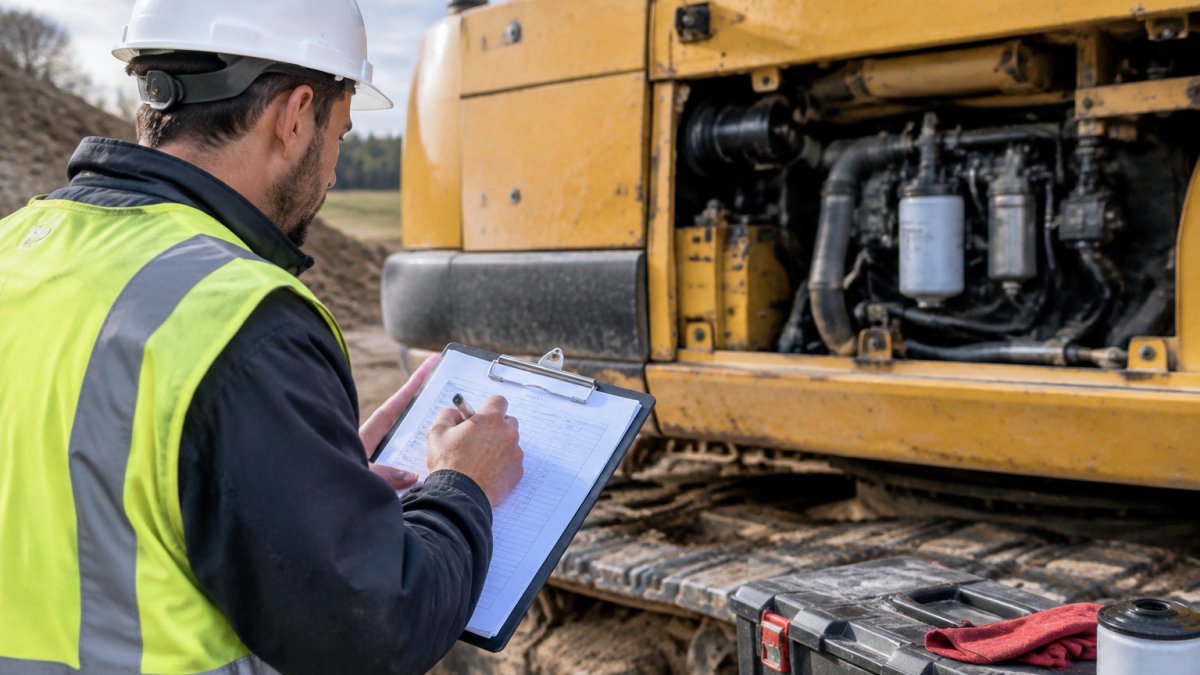
The most common mechanical issues in used mini excavators are hydraulic leaks, weak pumps and cylinder drift, undercarriage wear on tracks and final drives, engine hard starting and power loss, electrical faults, and fuel blockages. Test any machine hot and under load, since cold idle checks hide pump wear and internal leakage.
- Slow operation that appears only when the oil is hot signals a worn pump or internal leakage.
- Metal flakes or gray paste on the hydraulic filter is a walk-away signal.
- A final drive that is noisy, hot, or slow on one side is a major repair.
- A bad safety switch mimics a dead starter and fools plenty of buyers.
- Cloudy or gritty fuel drained into a clear jar means the tank needs cleaning.
Table of Contents
- Why Used Mini Excavators Develop Mechanical Issues
- Mini Excavator Hydraulic Problems: Leaks, Weak Power, and Slow Operation
- Mini Excavator Undercarriage Wear: Tracks, Tension, and Final Drives
- Mini Excavator Engine Problems: Hard Starting, Power Loss, and Stalling
- Battery, Starter, and Electrical Faults That Stop a Machine Cold
- Fuel Blockage and Fuel-System Problems in Used Excavators
- Your Used Mini Excavator Inspection Checklist, System by System
- Repair Costs vs. Walk-Away: Judging Severity Before You Finance
- Frequently Asked Questions
Why Used Mini Excavators Develop Mechanical Issues
A used mini excavator is a compact digging machine that trades size for wear: small frames, tight hydraulics, and constant load cycles. That design makes common mechanical issues in used mini excavators predictable, and predictable is good news for a buyer who knows where to look. Most failures trace back to hours, maintenance gaps, and how hard the previous owner worked the machine.
Mini Excavator Hydraulic Problems: Leaks, Weak Power, and Slow Operation
Hydraulics cause more mini excavator hydraulic problems than any other system. A hydraulic system is the sealed network of pump, hoses, cylinders, valves, and fluid that turns engine power into digging force. When it fails, the machine still runs but stops working. The useful question for a buyer is not whether a used machine leaks, most do somewhere, but which leak or weakness points to a cheap fix and which points to a pump, valve body, or cylinder rebuild.
Watch for these signs:
- Puddles or wet film under the machine after it sits
- Slow boom or arm movement, especially when warm
- Weak breakout force on hard ground
- Whining or groaning from the pump
- Jerky travel or swing
- Cylinder drift, where the boom or arm sinks on its own with the control in neutral
What Each Symptom Actually Means
Slow operation that only appears when the oil is hot is the classic signature of a worn pump or internal leakage past seals.
Weak breakout force on hard ground, with normal speed, usually points to a relief valve set low or a cylinder that is bypassing internally.
Cylinder drift is one of the most useful checks a buyer can run.
Checking Hoses, Cylinders, and Fluid for Hydraulic Failure
Start with a visual pass. Look for cracked hoses, weeping fittings, and scored cylinder rods. A scored rod tears seals, and that is a hydraulic failure waiting to happen. Check hydraulic fluid color: dark or milky fluid points to heat damage or water.
Pull the hydraulic filter if the seller will allow it. Metal flakes or a gray paste on the element is a warning that the pump or a motor is shedding material, and that is a walk-away signal on a machine you have not priced for a major repair.
Severity Thresholds for Hydraulic Defects
Not every hydraulic finding is equal. Weeping fittings, a damp hose end, and a slow cylinder drift are maintenance items that a buyer can budget for. A steady drip that leaves a puddle overnight, a rod that is scored or pitted, fluid that turns milky, or metal on the filter are signs of a system that needs real money. A pump or valve body repair on a mini excavator is a major line item, and a machine priced as if it were sound is not a bargain if the hydraulics are tired.
Mini Excavator Undercarriage Wear: Tracks, Tension, and Final Drives
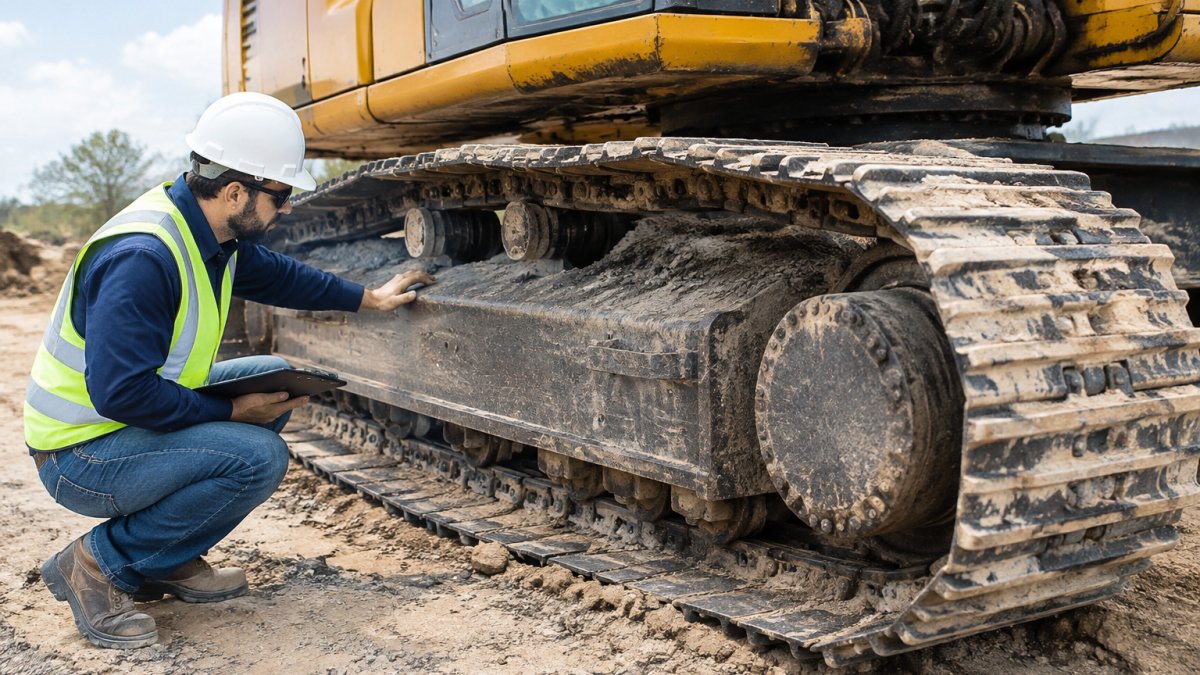
Undercarriage wear is the most expensive problem to fix and the easiest to hide. The undercarriage is the track, rollers, idlers, sprockets, and final drives that carry the machine.
Check track tension first. A track that is too loose can jump the sprocket. Too tight wears out bearings fast.
Look at the track shoes for cracks and missing grousers. Then inspect the final drive, the motor at the end of each track.
Wear Indicators and What They Tell You
Rubber tracks and steel tracks fail differently, and the check differs by type. On rubber tracks, look for cuts through the carcass, missing or torn lugs, and a track that has stretched past the adjuster's range.
Rollers and idlers should turn freely and run cool. A roller that is flat-spotted, leaking oil, or seized will wear the track and the chain.
How to Test the Undercarriage Under Load
Idle inspection misses the problems that show up when the machine works. Track the machine forward and back on firm ground and listen for popping or grinding. Turn in place and watch whether one track lags.
Then check the wear pattern. A track that is worn on one side only, or a sprocket that is hooked on one machine and sharp on the other, tells you the machine was run with poor alignment or a bent frame.
Repair Versus Walk-Away
Routine undercarriage items, a track adjustment, a worn shoe, a leaking roller, are maintenance a buyer can budget for. A final drive that is noisy or hot, a bent track frame, a sprocket that has hooked, or a track that has stretched past adjustment are major repairs. On a used mini excavator, the undercarriage is the system most likely to eat the savings from a low purchase price, so measure it, test it under load, and price the worst case before you sign.
Mini Excavator Engine Problems: Hard Starting, Power Loss, and Stalling
Engine trouble on a used machine usually shows up in three ways. Hard starting, loss of power under load, and stalling at idle. Each points to a different cause.
- Hard starting: weak battery, bad glow plugs on a diesel, or low compression
- Loss of power: clogged air filter, fuel starvation, or injector wear
- Uneven running or stalling: air in the fuel line or a failing lift pump
Listen for unusual noise on startup. A knock or heavy smoke is a serious red flag. Check the hour meter against the service records. High operating hours with no maintenance history is a gamble, not a deal.
Battery, Starter, and Electrical Faults That Stop a Machine Cold
Electrical faults are the cheapest to fix and the most annoying to diagnose.
Test the battery under load, not just with a voltmeter. A battery can read full and still fail to crank. Check the starter for slow, labored turning.
Look for corroded terminals and chewed wiring. Rodents love a parked machine. If the wiring harness is a mess, budget for a full electrical check before you finance.
Fuel Blockage and Fuel-System Problems in Used Excavators
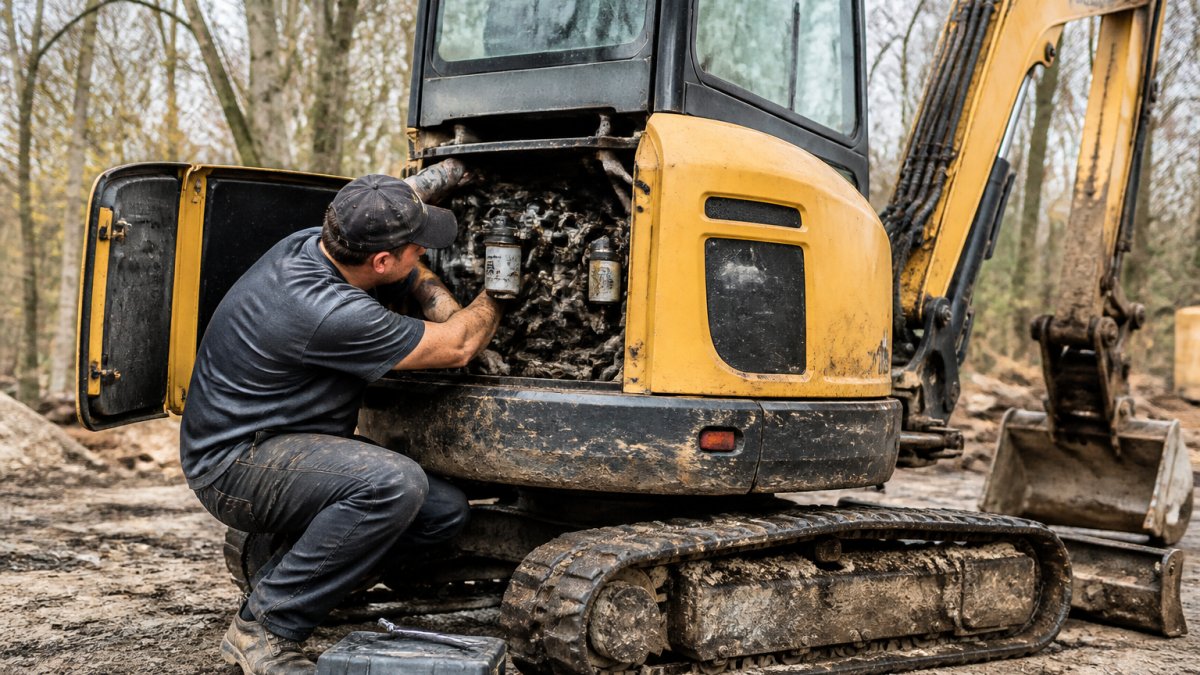
A fuel blockage is a silent killer on diesel machines. Old fuel, algae growth, and clogged filters starve the engine.
Check the fuel filter for dark sludge or water. Drain a little fuel from the tank into a clear jar. Cloudy or gritty fuel means the tank needs cleaning.
For a machine that has sat idle, assume the fuel system needs attention until you prove otherwise.
Your Used Mini Excavator Inspection Checklist, System by System
A used mini excavator inspection checklist saves you from buying someone else's problem. Our guide on how to verify used machinery history walks through that step by step.
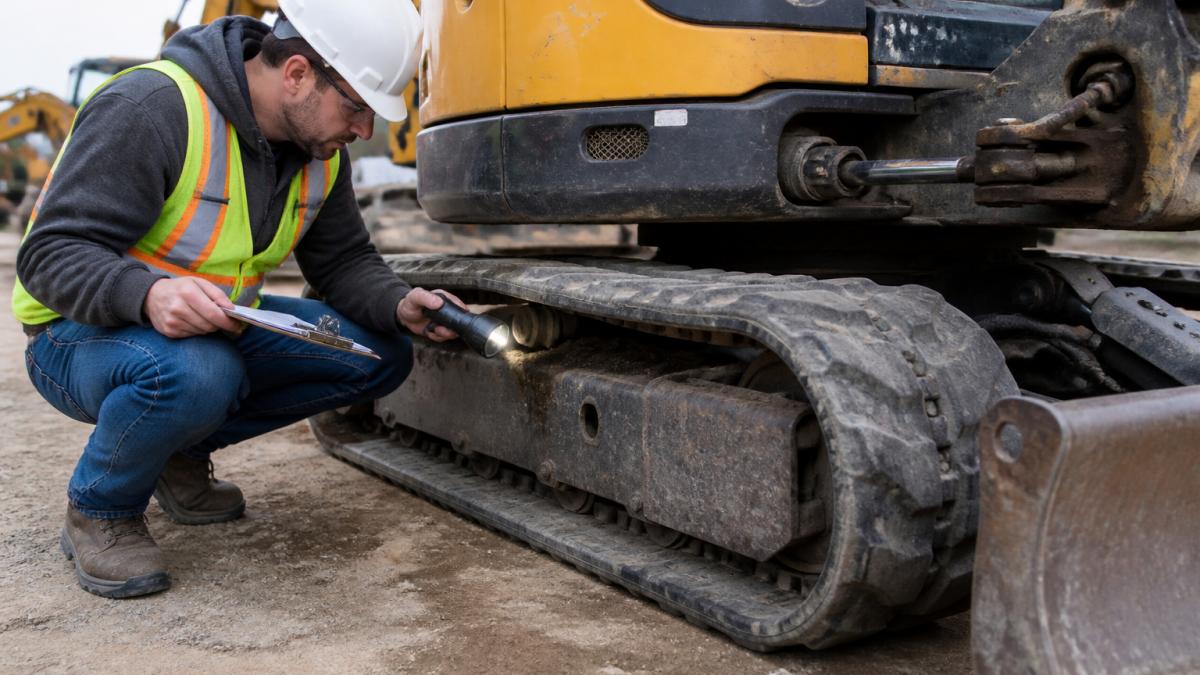
Work through these systems in order:
- Hydraulics: no leaks, strong breakout force, clean fluid
- Undercarriage: track tension, shoe wear, final drive seals
- Engine: cold start, no smoke, steady idle
- Electrical: battery load test, starter, safety switches
- Fuel system: filter condition, clean fuel, no air leaks
- Fluid levels: engine oil, hydraulic fluid, coolant, grease points
How to Test a Machine Under Load
Idle checks miss the real problems. Run the machine under load: dig into a pile, lift the boom, and track uphill. Watch for hydraulic drift, where the arm sinks on its own. Listen for new noises when the pump works hard. A machine that performs cold but fades when hot has a hydraulic or fuel problem. Test it hot, and test it working.
Work through these systems in order before you buy.
| System | What to check |
|---|---|
| Hydraulics | No leaks, strong breakout force, clean fluid |
| Undercarriage | Track tension, shoe wear, final drive seals |
| Engine | Cold start, no smoke, steady idle |
| Electrical | Battery load test, starter, safety switches |
| Fuel system | Filter condition, clean fuel, no air leaks |
| Fluid levels | Engine oil, hydraulic fluid, coolant, grease points |
| Hours and records | Meter reading matches service history |
Repair Costs vs. Walk-Away: Judging Severity Before You Finance
Not every defect is a dealbreaker. The skill is telling a cheap fix from a money pit. Small items like hoses, batteries, filters, and safety switches are routine. Major items like a failing final drive, a scored hydraulic cylinder, or a worn undercarriage run into serious money.
When damage looks severe, an independent appraisal is worth the cost. Our article on 8 signs your heavy machinery needs appraisal explains when to call one in. If you are weighing repair against replacement, the hidden costs of not replacing equipment shows how downtime and inefficiency add up. And before you finance, use a clear method to value the machine with our step-by-step guide to valuing a used construction fleet.
Best for: buyers who test under load and check records. Skip if: the seller blocks an inspection or a cold start.
Frequently Asked Questions
What are the most common mechanical problems in a used mini excavator?
The most frequent issues are hydraulic leaks and weak hydraulic pressure, undercarriage and track wear, final drive motor failure, hard starting or stalling engines, and electrical faults in the battery, starter, and safety switches. Fuel blockage and overheating also show up on older machines. Because these systems wear together, a single visible leak often points to a broader maintenance gap. Inspect each system separately and test the machine under load before you commit to a purchase or financing agreement.
How can you tell if a mini excavator has hydraulic problems?
Look for fluid weeping around hoses, cylinders, and fittings, and check that the hydraulic fluid is clean and at the right level. Slow operation, weak digging force, unusual noise from the pump, and drifting cylinders are warning signs of hydraulic failure. Run the machine under load: if the arm or bucket stalls under pressure, hydraulic pressure may be low. A professional pressure test is worth the cost before you finance a used mini excavator with visible leaks.
How do you check the undercarriage on a used mini excavator?
Check track tension against the manufacturer's spec, look for uneven track wear and missing or damaged track pads, and inspect the final drive for oil leaks and noise. Track deviation, where the track rides off the sprocket, signals worn components. Measure wear indicators on the sprocket and idler rather than judging by eye. Undercarriage wear is one of the most expensive repairs on a used mini excavator, so factor it into your offer price.
What should you look for in a used mini excavator before financing one?
Start with machine hours and service records, then work through a used mini excavator inspection checklist organized by system: hydraulics, undercarriage, engine, electrical, and fuel. Test the machine under load, check for wear thresholds, and get a professional inspection on anything you plan to finance. Confirm parts availability for the model. Repair-cost ranges help you decide whether to negotiate, walk away, or budget for repairs alongside your equipment loan.
Buying a used mini excavator should not stall your next project. Equipment Finance Academy connects you with top equipment lenders, with approvals in hours and funding the same day. Compare equipment loans, leasing, and financing options that fit your cash flow, and get the machine working. Get started with Equipment Finance Academy and finance your next excavator with confidence.